
Arachnid: overview, anatomy, diversity and role in ecosystems
Arachnids are a class of chelicerate arthropods including spiders, scorpions, mites and ticks, notable for eight legs, chelicerae and diverse ecological roles from predators to parasites.
Overview
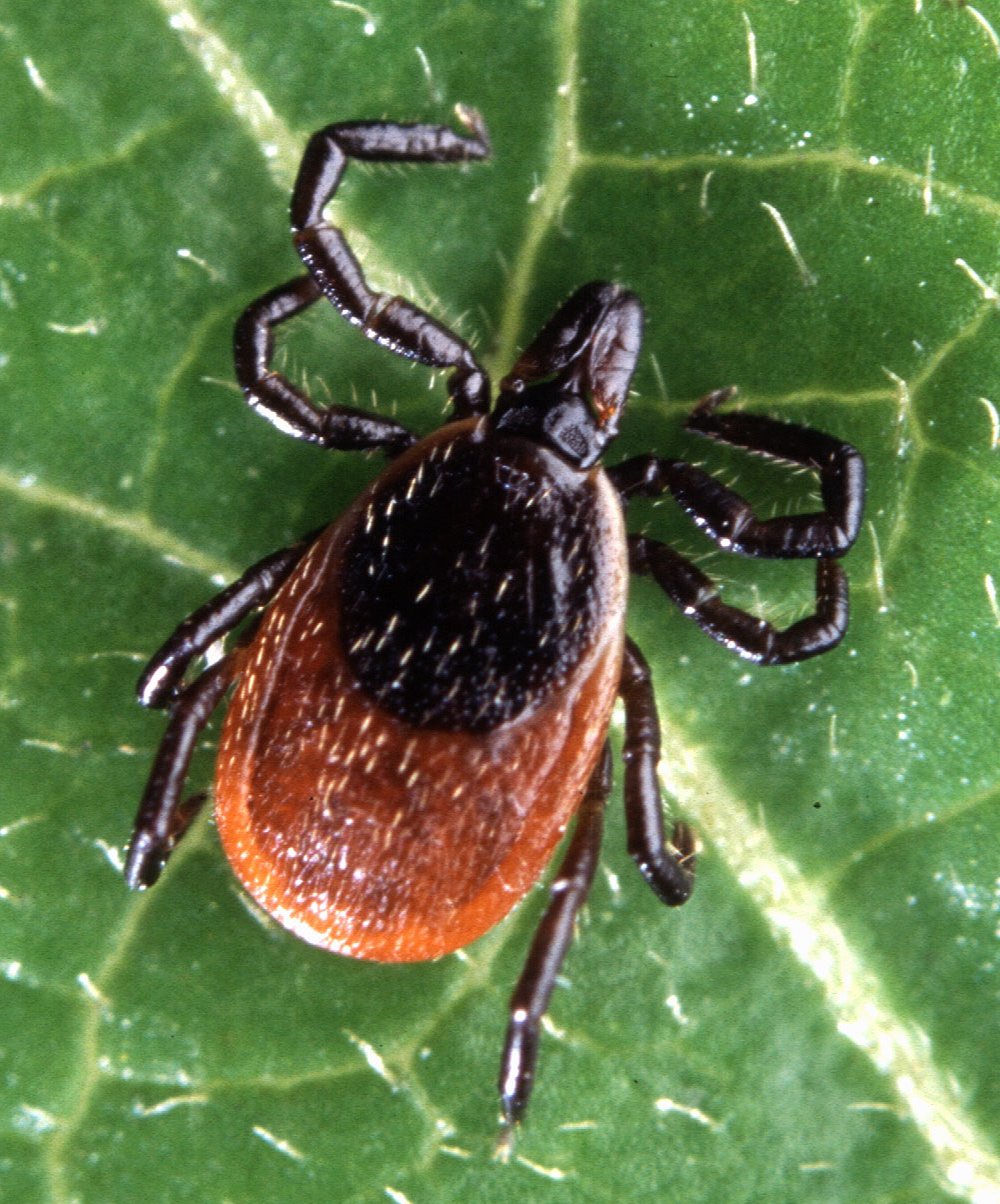
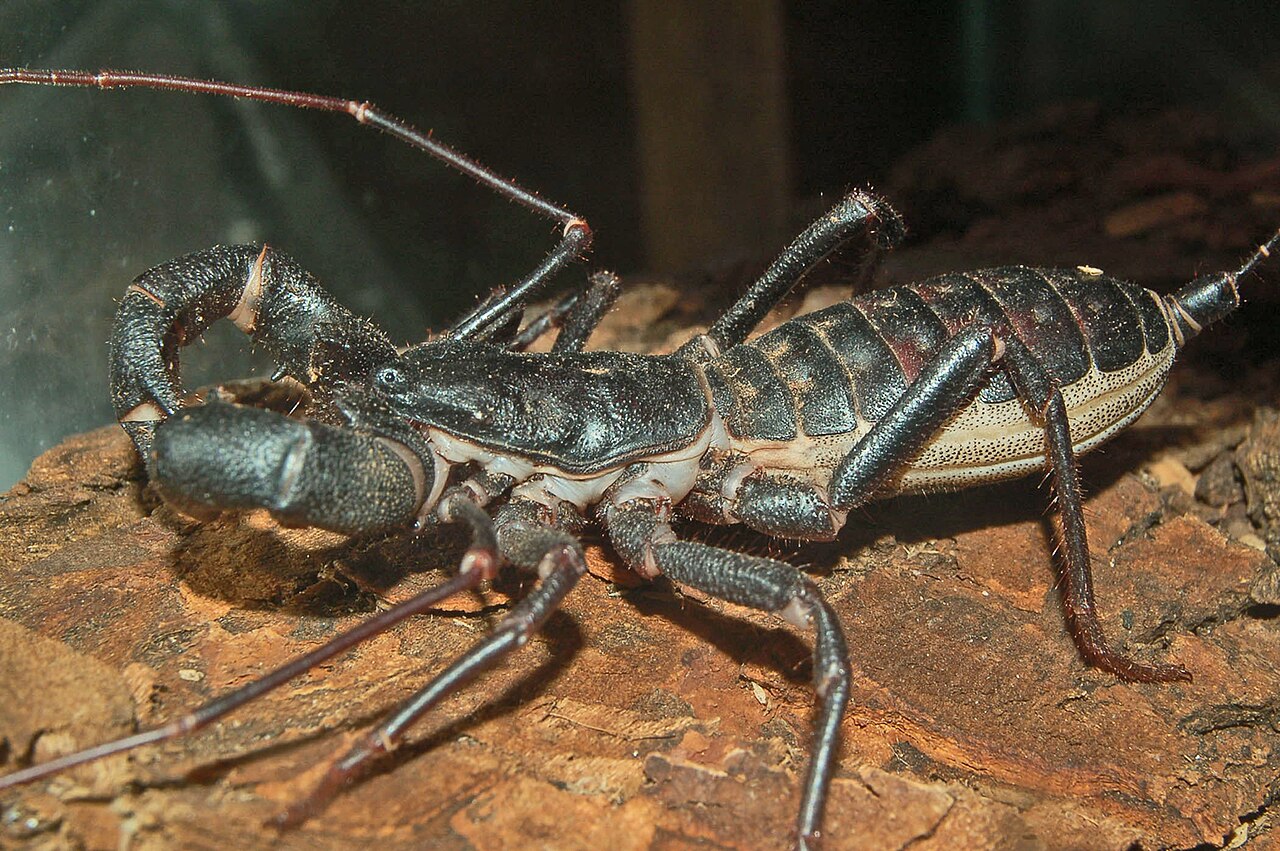
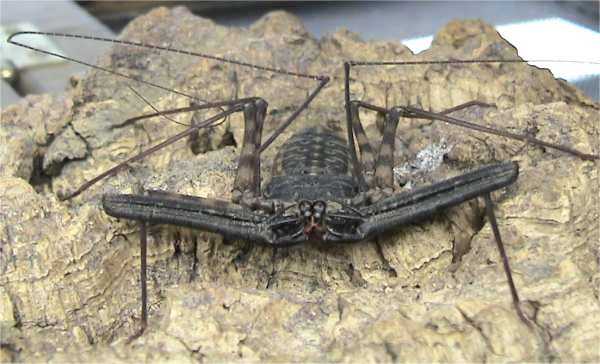
Arachnids form a class of air-breathing chelicerate arthropods distinguished by their general body plan and terrestrial lifestyles. Typical adults have eight legs, a pair of chelicerae (feeding appendages) and pedipalps, and they lack antennae. Well-known members include spiders, scorpions, mites and ticks, but the group also contains harvestmen, pseudoscorpions and several smaller orders. Arachnids occupy almost every terrestrial habitat and perform many ecological roles from predators to decomposers.
Image gallery
10 Images



Anatomy and life history
Most arachnids have two main body regions: a fused head and thorax (the cephalothorax) and an abdomen. Respiratory structures vary and may include book lungs, tracheae, or thin cuticle for gas exchange. Reproduction is usually by internal fertilization; males often use specialized structures or spermatophores to transfer sperm. Some groups, notably many spiders, produce silk from abdominal glands; venom glands are common in spiders and scorpions and help subdue prey.
Diversity and classification
The class Arachnida sits within the chelicerate lineage. Major groups include:
- Spiders — versatile predators that use silk and venom.
- Scorpions — nocturnal arachnids with a sting-bearing metasoma.
- Harvestmen — also called opiliones, with a compact body and single apparent segment.
- Ticks and mites — small, diverse and often parasitic or detritivorous.
- Other lesser-known orders including pseudoscorpions and solifuges.
Evolution and notable findings
Fossil arachnids date back hundreds of millions of years and show early terrestrial adaptations. The fossil record and genetic studies have refined relationships among orders. A 2019 molecular phylogeny prompted discussion by recovering horseshoe crabs within a chelicerate clade that intersects with Arachnida, illustrating how modern genetic methods can challenge traditional classifications and prompt taxonomic reassessment.
Ecological importance and human interactions
Arachnids influence ecosystems as predators, parasitoids, detritivores and disease vectors. Terrestrial invertebrates such as many mites and ticks affect agriculture and human health. Spiders help control insect pests; ticks can transmit pathogens to people and livestock. Research into arachnid venoms, silk and behavior has yielded advances in material science, pharmacology and ecology. For general context on their placement among animals see class and broader chelicerate comparisons, or consult overviews of harvestmen and other orders to explore specific life histories.
Distinguishing arachnids from insects: arachnids normally have eight legs and two body regions, while insects have six legs and a head-thorax-abdomen division; arachnids lack antennae, a key practical difference in identification.
Related articles
Author
AlegsaOnline.com Arachnid: overview, anatomy, diversity and role in ecosystems Leandro Alegsa
URL: https://en.alegsaonline.com/art/5145
Sources
- commons.wikimedia.org : Arachnida
- species.wikimedia.org : Arachnida
- www3.interscience.wiley.com : www3.interscience.wiley.com/journal/118484541/abstract?CRETRY=1&SRETRY=0
- ncbi.nlm.nih.gov : ncbi.nlm.nih.gov/pubmed/750069