
Pelecanimimus — an early many‑toothed ornithomimosaur
Pelecanimimus, a primitive ornithomimosaur from Early Cretaceous Spain, is notable for retaining an unusually large number of small teeth and for illuminating early stages of ornithomimosaur evolution.
Pelecanimimus (literally "pelican mimic") was a primitive member of the ornithomimosaur branch of theropod evolution. It is known from fossil material found in what is now Spain. Unlike the later, ostrich‑like ornithomimosaurs that were largely toothless, this animal retained an unusually large complement of small, closely spaced teeth in both jaws.
Image gallery
10 Images


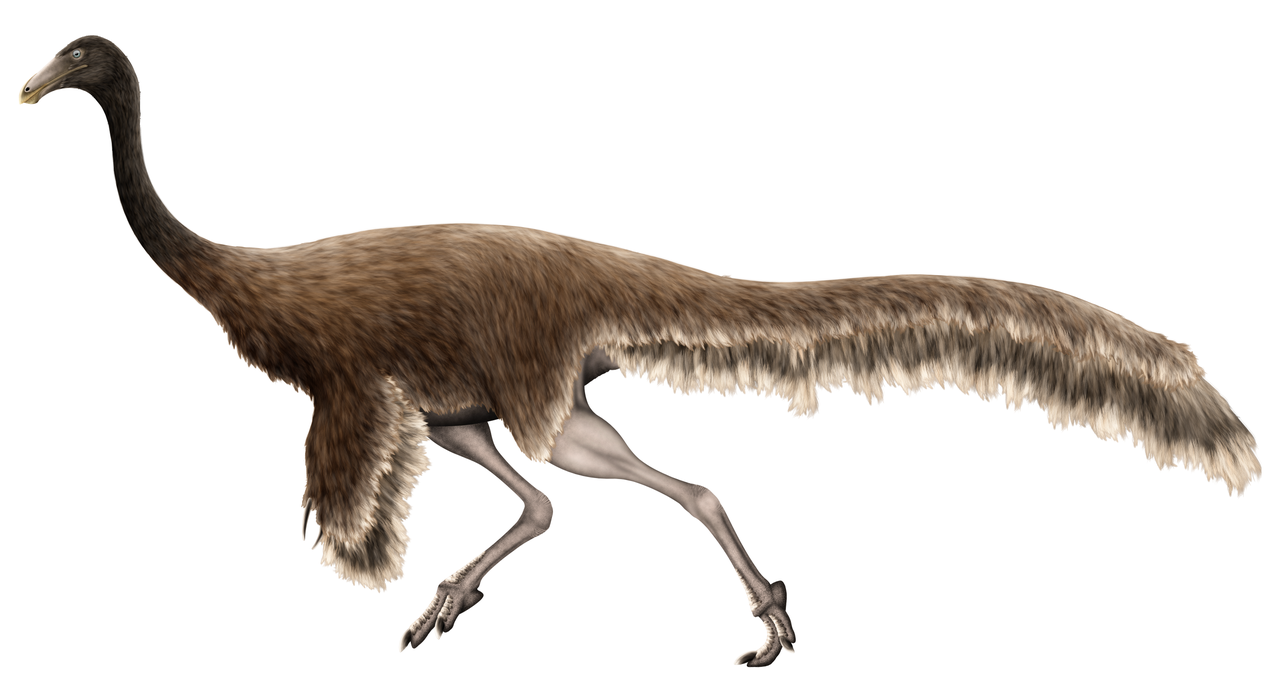
Key characteristics
The skull of Pelecanimimus shows a long, low snout lined with many small, conical teeth. These teeth are simple and recurved, more numerous than those seen in most other theropods, and sit in a relatively slender jaw. The forelimbs were proportionally long and ended in grasping hands, a condition typical of early ornithomimosaurs. Remains indicate a lightly built, likely fast runner with anatomy intermediate between more basal theropods and the later toothless, cursorial ornithomimids.
Discovery and scientific context
Fossils of Pelecanimimus were recovered from Early Cretaceous deposits and described in the late 20th century. The specimen(s) are comparatively complete and articulated, which made it possible to document features that clarify early stages of ornithomimosaur evolution. Its name reflects an early interpretation that a loose throat region might have resembled a pelican's pouch, though direct evidence for such soft tissues is limited.
Paleobiology and diet
The presence of numerous small teeth suggests a feeding ecology different from later toothless ornithomimosaurs: possibilities include generalist omnivory, small prey capture, or consumption of aquatic organisms. Because teeth were simple rather than highly specialized, many researchers view Pelecanimimus as retaining an ancestral feeding mode that later gave way to beak‑and‑filter or beak‑and‑crop strategies in descendant lineages.
Significance and distinctions
- Pelecanimimus occupies an important place in the transition from toothed to toothless ornithomimosaurs.
- It is notable among theropods for the unusually high tooth count compared with most relatives.
- Comparison with later forms such as Ornithomimus and Gallimimus highlights evolutionary shifts in feeding and locomotion within the group.
As an early member of the group, Pelecanimimus helps paleontologists reconstruct how lineage‑wide changes—loss of teeth, alteration of the skull and jaws, and potential changes in integument—developed within ornithomimosaurs and among coexisting dinosaurs. For more general background on the group, see broader summaries of ornithomimosaur and dinosaur evolution.
Related articles
Author
AlegsaOnline.com Pelecanimimus — an early many‑toothed ornithomimosaur Leandro Alegsa
URL: https://en.alegsaonline.com/art/75485