
Black Death (14th-century pandemic)
Comprehensive overview of the Black Death: its probable causes, spread between 1347–1351, symptoms and transmission, demographic and social consequences, and modern scholarly debates.
The Black Death was a major pandemic of the mid-14th century that profoundly altered societies across Eurasia. Most intense between about 1347 and 1351, it reached port cities and inland regions of Europe, the Middle East and Asia and caused the deaths of tens of millions. Contemporary observers recorded mass mortality, disruption of trade and agriculture, and widespread social distress. Modern scholars treat the event as a complex medical, demographic and cultural crisis whose details are still clarified by archaeology, genetics and documentary study.
Image gallery
10 Images





Causes and forms of disease
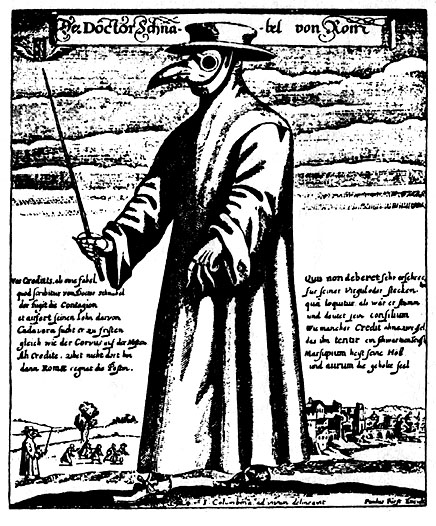
Historical and scientific research indicates that the principal agent was likely the bacterium Yersinia pestis, responsible for classical plague, though debate continues. Plague can present in several clinical forms: bubonic, with swollen lymph nodes called buboes; septicemic, involving bloodstream infection; and pneumonic, affecting the lungs and enabling direct person-to-person spread. Transmission is commonly attributed to infected fleas that lived on rodents, but human-to-human respiratory transmission was possible in pneumonic cases. Scholars cite epidemiological patterns, ancient DNA from burial sites and descriptions of symptoms as evidence supporting a plague diagnosis.
Transmission, symptoms and clinical course
- Typical incubation lasted days to a week before symptoms appeared.
- Bubonic cases produced painful swollen groin or neck glands, fever, chills and weakness.
- Septicemic and pneumonic forms could cause rapid deterioration, bleeding, and respiratory failure.
- Mortality rates varied by form, setting and medical response; many communities lost a large fraction of their inhabitants.
Geographic spread and timeline
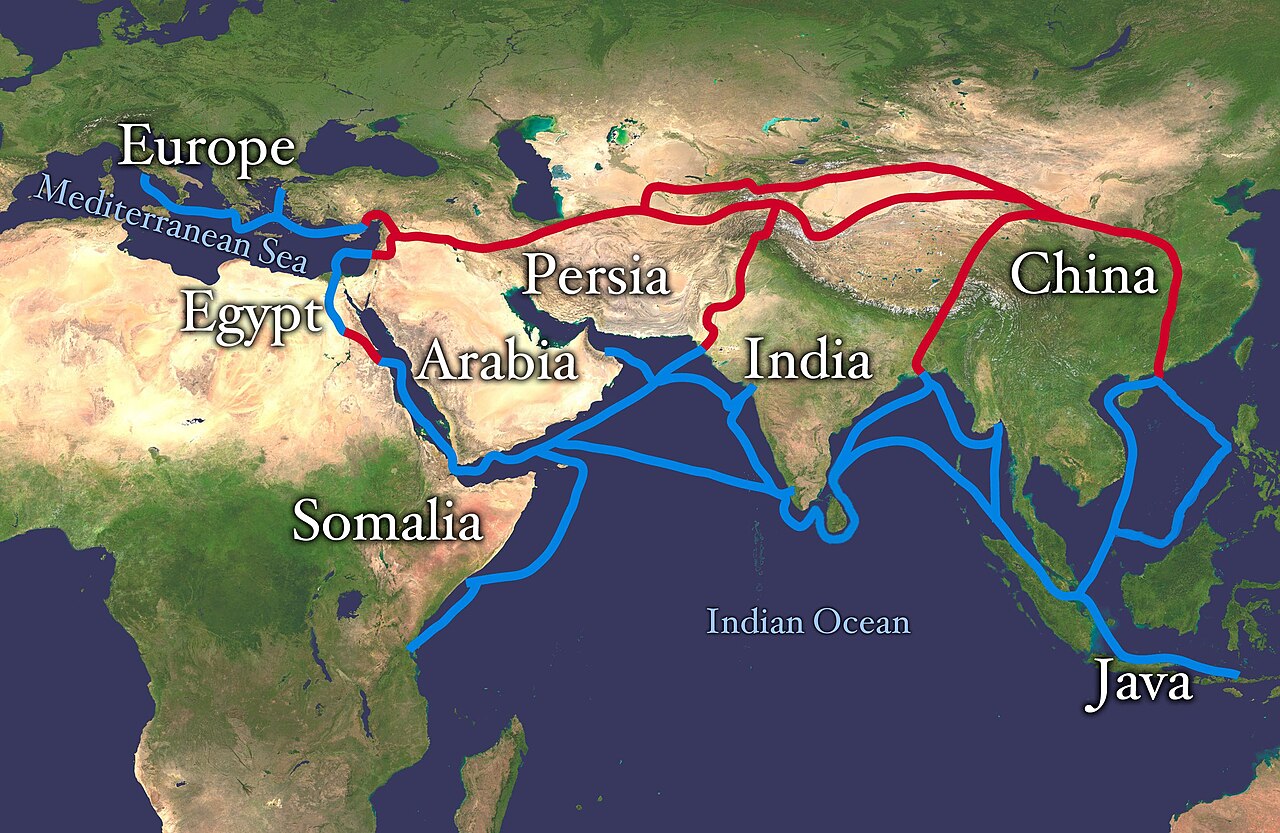
The pandemic likely originated in parts of Asia or Central Asia and reached Europe in the late 1340s, with an important early appearance in Crimea in 1347. Maritime trade played a central role in transmitting infected rodents and fleas on ships to Mediterranean and northern ports; overland routes such as the Silk Road also contributed to wider dispersal. From port cities the disease moved inland along trade and pilgrimage routes, producing waves of outbreaks over several years and recurring in later centuries in localized epidemics.
Demographic, economic and cultural impact
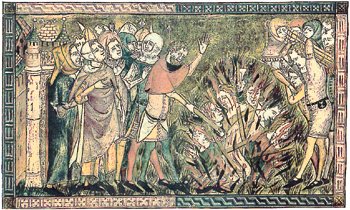
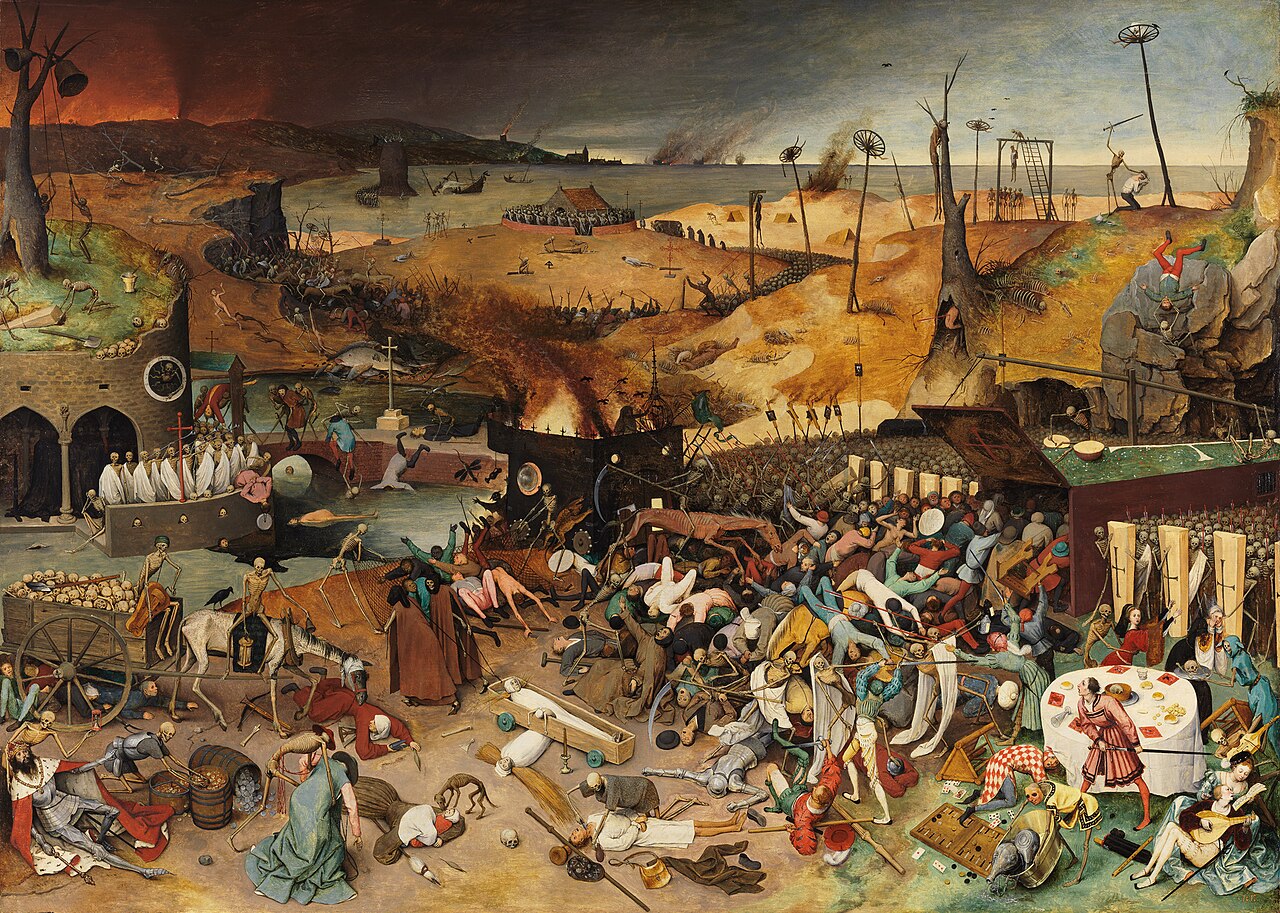
The human toll reshaped labor systems, land use and economic relations. Widespread mortality led to labor shortages that altered bargaining power between workers and employers, stimulated wages in some regions, and in some places accelerated technological or organizational change in agriculture and manufacturing. The crisis provoked religious responses, scapegoating and persecution of minority groups, new artistic themes reflecting mortality, and long-term changes in social attitudes toward life and death.
Historiography and ongoing debates
While a majority of specialists accept plague as the main cause, alternative explanations have been proposed, including other infectious agents. Advances in paleopathology and ancient DNA analysis have strengthened the link to Yersinia pestis, but questions remain about the balance of plague types, local factors that influenced mortality, and how cultural responses varied by region. The Black Death is studied today through a multidisciplinary lens combining historical records, archaeology, genomics and climate studies to refine our understanding.
Further reading and resources
- Overview and timeline
- Europe and the pandemic
- Asia and regional impacts
- Chronology of outbreaks
- Medical descriptions
- Middle East sources
- South Asian perspectives
- China and East Asia
- Historiography and primary sources
- Bubonic plague: modern understanding
- Bacterial agents and diagnosis
- Infectious disease concepts
- Yersinia pestis genetic studies
- Bacterial taxonomy and history
- Central Asian origins hypothesis
- East Asian evidence
- Crimea in 1347
- Role of fleas in transmission
- Rodent reservoirs and ecology
- Maritime trade and Genoese ships
- Port cities and contagion
- Mediterranean networks
- Silk Road and overland routes
- Contemporary symptom reports
- Alternative disease hypotheses
Questions and answers
Q: What was the Black Death?
A: The Black Death was a pandemic that occurred in Europe and Asia during the 14th century, killing between 75 million and 200 million people.
Q: What caused the Black Death?
A: Most historians believe that the Black Death was caused by bubonic plague, which is a bacterial infection caused by Yersinia pestis bacteria.
Q: Where did the Black Death originate from?
A: It is believed that it originated in Central Asia or East Asia, and first appeared in Crimea in 1347.
Q: How did humans become infected with the plague?
A: Humans became infected when fleas living on black rats bit them and injected Y. pestis bacteria into their wound.
Q: How long after being bitten would symptoms appear?
A: Symptoms would typically appear three to seven days after being bitten.
Q: Are there any other theories about what caused the Black Death?
A: Yes, some historians have suggested that anthrax or a viral hemorrhagic fever may have been responsible for causing the pandemic.
Related articles
Author
AlegsaOnline.com Black Death (14th-century pandemic) Leandro Alegsa
URL: https://en.alegsaonline.com/art/11906