
Pediococcus (genus of lactic acid bacteria)
Pediococcus is a genus of gram-positive, homofermentative lactic acid bacteria that form pairs or tetrads. Common in foods, plants and brewing; used in fermentations but can also spoil beer.
Pediococcus is a small genus of gram-positive lactic acid bacteria commonly associated with food fermentations and with environments where sugars are converted to lactic acid. Members of this genus are typically homofermentative, producing lactic acid as the principal end product of carbohydrate metabolism. They are microscopic cocci that characteristically occur in pairs or in groups of four (tetrads) because the cells divide along two perpendicular planes.
Image gallery
2 Images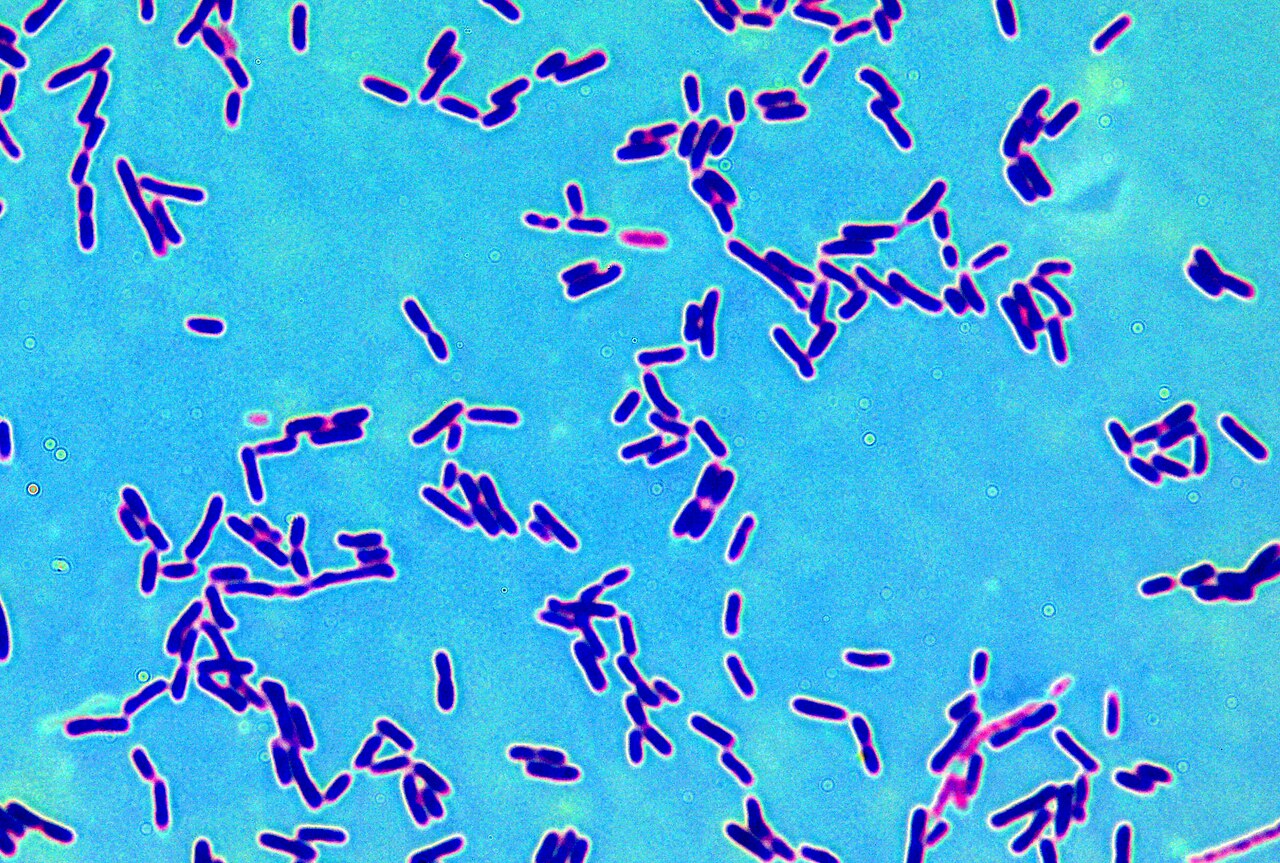

Key characteristics
Pediococcus species share several recognizable traits that distinguish them from other lactic acid bacteria. They are gram-positive, non-motile cocci that often form clusters. Their lactic acid production is mainly homofermentative, meaning glucose is converted primarily to lactic acid rather than a mixture of fermentation products. Under the microscope they may appear in pairs or tetrads, and some strains form extracellular polysaccharides that can cause viscosity or ropiness in fermented products. Laboratory identification relies on morphology, sugar fermentation patterns and biochemical tests.
History and ecology
Pediococcus species have been isolated from a wide range of habitats, including plant material, fermented foods and beverages. They are part of the natural microbiota of vegetables, sourdoughs and traditional fermented products and have been studied since early work on lactic acid bacteria. Isolates are also encountered in breweries and in other industrial settings where sugary or starchy substrates are present.
Uses and examples
Several species are intentionally used in food processing for their acidifying and preservation properties. Common examples include vegetable pickles, silage and some fermented sausages and mashes. Specific strains are used as starter cultures for controlled fermentation and, in some cases, as probiotic candidates. For general information about lactic acid bacteria, see lactic acid bacteria overview. For applications in foods consult resources on food fermentation and plant-associated microbes at plant microbiology.
Role in brewing and spoilage
Pediococcus is well known in brewing circles because some species can spoil beer. Spoilage strains may produce off-flavors (for example diacetyl-like buttery notes), turbidity and viscous films or deposits. Cell growth and polysaccharide production in wort or finished beer can be problematic for filtration and sensory quality. Brewers study and monitor Pediococcus to prevent contamination and to manage intentional sour beer production where controlled Pediococcus activity is desired. Practical control and detection methods are available through brewing microbiology guides and industry protocols (brewing microbiology).
Notable distinctions
- Pediococcus is homofermentative, unlike some heterofermentative lactic acid bacteria.
- Cells divide along two planes, producing tetrads—an identifying morphological trait.
- Some strains are beneficial starters in fermentation; others are nuisance spoilers in beverages.
Because the genus includes both useful and troublesome strains, accurate identification and strain selection are important for food technologists, brewers and microbiologists working with fermented products.
Types
- Pediococcus acidilactici
- Pediococcus argentinicus
- Pediococcus cellicola
- Pediococcus claussenii
- Pediococcus damnosus
- Pediococcus dextrinicus, synonym: Pediococcus cerevisiae
- Pediococcus ethanolidurans
- Pediococcus halophilus
- Pediococcus inopinatus
- Pediococcus lolii
- Pediococcus parvulus
- Pediococcus pentosaceus
- Pediococcus siamensis
- Pediococcus stilesii
- Pediococcus urinaeequi
Related articles
Author
AlegsaOnline.com Pediococcus (genus of lactic acid bacteria) Leandro Alegsa
URL: https://en.alegsaonline.com/art/75411