
Penicillium — overview, biology, uses and significance
Penicillium is a large genus of filamentous ascomycete fungi found worldwide. Species are important decomposers, food-fermenters and sources of antibiotics, enzymes and mycotoxins.
Penicillium is a diverse genus of filamentous fungi belonging to the group of ascomycetous molds. Members of this genus are commonly isolated from soil, decaying vegetation, indoor environments and a wide range of food products. Characterized by brush-like spore-bearing structures, they form dense colonies with colors that vary from blue-green to yellow or white. The genus contains roughly three hundred to four hundred species and is widely studied because of its ecological roles, industrial uses and medical importance.
Image gallery
4 Images


Biology and distinguishing features
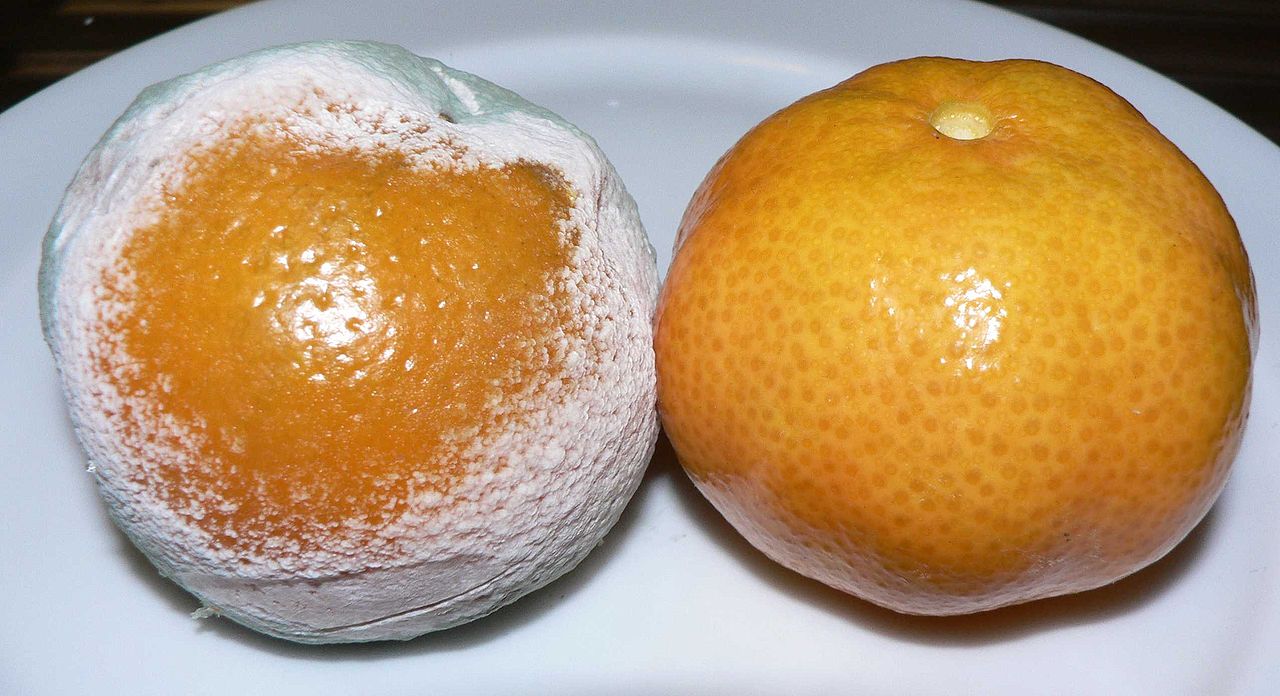
Penicillium species grow as septate, branching hyphae that produce asexual spores (conidia) on specialized stalks called conidiophores. These conidiophores bear chains of conidia in a formation that resembles a small brush—this appearance inspired the genus name (from the Latin for "paintbrush"). Many species reproduce primarily by these asexual spores, although sexual stages have been identified for some and classified in related genera. On culture media colonies are often velvety or powdery in texture; microscopic examination is required for reliable species identification.
Ecology and distribution
Species of Penicillium are saprotrophs that break down complex organic matter, contributing to nutrient cycling in soil and plant litter. They are common spoilage agents of stored foods because several species tolerate low temperatures and grow on substrates such as bread, fruits and cheese. Some species are frequently encountered in indoor air and dust and can contribute to allergic reactions in sensitive individuals. Their capacity to produce a wide array of secondary metabolites influences their interactions with other microbes and with plant or animal hosts.
History and scientific significance
The genus was first described in the early 19th century and later became central to modern medicine when antibiotics were discovered. In 1928 Alexander Fleming observed that a Penicillium mold inhibited bacterial growth, an observation that led to the development and mass production of penicillin—an antibiotic that transformed medical treatment of bacterial infections. Subsequent research converted that observation into reliable pharmaceutical manufacturing techniques.
Uses, applications and examples
- Antibiotics: Certain species produce compounds that inhibit bacteria; the best known is penicillin derived historically from strains of Penicillium.
- Food production: Several species are deliberately used in cheese making—examples include molds employed to develop the flavor and texture of blue and soft-ripened cheeses.
- Industrial biotechnology: Species are exploited for the production of enzymes, organic metabolites and as subjects of research into fermentation processes.
- Research organisms: Because of their fast growth and metabolite diversity, Penicillium species serve as models for studies in genetics, biochemistry and natural product discovery.
For introductions to the genus and its taxonomy see general resources on the taxonomic concept of a genus and on fungi. Overviews of their role as decomposers and their importance in ecology are available in broader treatments of soil and microbial ecology. For medical context and how antibiotics work, consult material explaining antibiotics and their effects on bacteria.
Health, risks and notable distinctions
While many Penicillium species are beneficial, others produce mycotoxins that can contaminate food and pose health risks to humans and animals. Some species are opportunistic pathogens in immunocompromised people and can also act as allergens. Distinguishing beneficial from hazardous strains depends on accurate identification and understanding of each species' biology and metabolite profile. Taxonomic work continues to refine species concepts and to clarify relationships between asexual Penicillium forms and their sexual counterparts described under other genera.
In summary, Penicillium is a large and varied group of molds with major ecological roles, long-standing significance in food and medicine, and ongoing relevance in research and industry. Their dual capacity to produce both valuable compounds and harmful toxins makes them an important subject of study across multiple scientific disciplines.
Questions and answers
Q: What is Penicillium?
A: Penicillium is a genus of fungi commonly found in various environments, including soil, vegetation, and food products.
Q: What is the ecological importance of Penicillium?
A: Penicillium has ecological importance as a decomposer of organic material and may cause rotting in food crops by mycotoxin production.
Q: What are penicillins?
A: Penicillins are molecules of commonly used antibiotics that are produced by some members of the Penicillium genus of fungi.
Q: How do antibiotics work?
A: Antibiotics work by killing or stopping the growth of certain kinds of bacteria inside the body to reduce or stop the infection caused by harmful bacteria.
Q: How many species are in the Penicillium genus?
A: The Penicillium genus has 354 species.
Q: How does Penicillium impact modern human life?
A: Penicillium has many applications that affect modern human life such as food and drug production.
Q: What are some environments where Penicillium can be found?
A: Penicillium can be commonly isolated from environments like soil, vegetation, and many food products.
Related articles
Author
AlegsaOnline.com Penicillium — overview, biology, uses and significance Leandro Alegsa
URL: https://en.alegsaonline.com/art/75561
Sources
- commons.wikimedia.org : Penicillium
- cbs.knaw.nl : cbs.knaw.nl
- ncbi.nlm.nih.gov : ncbi.nlm.nih.gov/pubmed/11204163