
Oedema: causes, types, mechanisms and management
Oedema (edema) is tissue swelling from excess fluid. This article explains its mechanisms, common locations and causes, clinical signs, diagnostic approaches and general treatment principles.
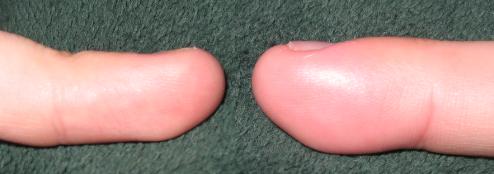
Overview: Oedema (U.S. spelling: edema), historically called dropsy, is the abnormal accumulation of fluid in tissues or body cavities. Clinically it is often encountered as a visible or palpable swelling and may represent a primary disease or a sign of an underlying disorder. In medical usage it can be described as a sign or symptom, depending on context. The everyday appearance is swelling caused by excess fluid that has left the blood vessels and collected in the surrounding tissues, and when large enough can be apparent under the skin.
Image gallery
7 Images


Mechanisms and characteristics
Oedema develops when the normal balance of fluid movement between capillaries, the interstitial space, and the lymphatic system is disturbed. Major factors include raised capillary hydrostatic pressure (for example with heart failure), reduced plasma oncotic pressure (often due to low albumin in liver or kidney disease), increased capillary permeability (inflammation or allergy), and impaired lymphatic drainage (surgery, infection, or congenital lymphedema). The fluid accumulation may be soft and pitting (indentation remains when pressed) or non-pitting, depending on the cause.
Common types and locations
- Peripheral oedema: swelling of the limbs, especially feet, ankles, hands and lower legs; often more evident at the end of the day.
- Pulmonary oedema: fluid within the lungs; a medical emergency because it impairs gas exchange and makes breathing difficult.
- Ascites: fluid accumulation in the abdomen, commonly associated with liver disease.
- Cerebral oedema: swelling within the skull; serious because of limited space and risk of increased intracranial pressure.
Causes and risk factors
Oedema has many causes; it may be localized or systemic. Common contributors include chronic heart failure, kidney disease with impaired fluid excretion, cirrhosis with low albumin, venous insufficiency, deep vein thrombosis, lymphatic obstruction, pregnancy, certain medications (such as calcium channel blockers or steroids), allergic reactions, and inflammatory conditions. Age, immobility, and high salt intake increase risk.
Diagnosis and clinical assessment
Evaluation begins with history and physical examination: distribution (unilateral vs bilateral), whether swelling is pitting, associated shortness of breath, weight change, and medication review. Simple bedside tests and measurements are complemented by blood tests (renal and liver function, albumin), chest imaging for suspected pulmonary oedema, ultrasound for ascites or DVT, and lymphatic studies when needed. Identifying the underlying mechanism guides management.
Treatment and prognosis
Management aims to treat the underlying cause and relieve symptoms. General measures include leg elevation, compression garments for peripheral oedema, reduced dietary salt, and physical activity. Diuretics are commonly used to mobilize excess fluid when appropriate. Pulmonary oedema may require urgent oxygen, diuretics, and treatment of the precipitating cardiac problem. Chronic lymphatic oedema may need physiotherapy and specialized care. Prognosis varies widely: transient, reversible oedema from minor causes may resolve completely, while oedema from advanced heart, liver, or kidney disease often signals chronic illness requiring long-term management.
Notable points: The terms oedema and edema are synonymous; 'dropsy' is an older name no longer used in clinical practice. Recognizing oedema as a clue to underlying systemic disease is important because timely diagnosis and treatment can improve outcomes.
Related articles
Author
AlegsaOnline.com Oedema: causes, types, mechanisms and management Leandro Alegsa
URL: https://en.alegsaonline.com/art/71988
Sources
- mayoclinic.org : "Edema"
- nlm.nih.gov : "Foot, leg, and ankle swelling"
- nlm.nih.gov : "Pulmonary edema"
- doi.org : 10.1056/NEJMcp052699
- pubmed.ncbi.nlm.nih.gov : 16382065
- nlm.nih.gov : "Ascites"
- familydoctor.org : "Edema"
- heart.org : "About Heart Failure"
- mayoclinic.com : "Cirrhosis"
- cdc.gov : "Deep Vein Thrombosis"
- wikidata.org : wikidata.org/wiki/Q152234
- catalogue.bnf.fr : cb11952094j
- data.bnf.fr : (data)
- d-nb.info : 4043127-7
- id.loc.gov : sh85040948