
Epidemic: causes, detection, control, and public health significance
An epidemic is a rapid increase in disease cases in a community or region. This article explains what epidemics are, how they develop, how public health responds, and how they differ from pandemics and endemic diseases.
An epidemic describes a situation in which an infectious disease affects a large number of people within a community, region, or population in a time period greater than would normally be expected. The term is used when cases rise above the baseline level and the spread is faster than routine health services can easily control. The word is typically applied to contagious illnesses but may also describe outbreaks of non‑infectious conditions that occur at greater than expected rates. For more on the basic concept of disease, see disease.
Image gallery
6 Images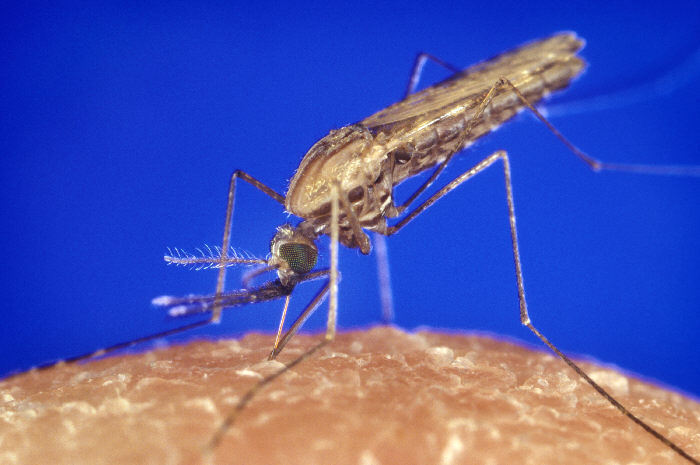




Key characteristics
Epidemics are identified by patterns in time, place and person: a sudden increase in incidence, clustering of cases geographically or socially, and an identifiable connection among affected individuals. Important attributes include the infectious agent (if any), modes of transmission (for example, airborne, droplet, contact, vectorborne), the susceptible population, and the capacity of local health systems to detect and respond. When an outbreak spreads across countries or worldwide it may be termed a pandemic, while long‑term presence of disease at predictable levels is referred to as endemic.
History and development
Records of epidemic events reach back centuries: communities have long experienced waves of rapidly spreading illness driven by new pathogens, environmental change, population movement or failure of sanitation. Advances in microbiology and public health over the last two centuries have clarified causes of many epidemics and improved tools for control, but new and reemerging agents continue to produce outbreaks. Global travel and urbanization can accelerate spread beyond local boundaries, raising the risk of international spread and prompting coordination among countries and global bodies. For discussions about global spread, see global spread.
Detection and public health response
Detecting an epidemic relies on surveillance systems that monitor clinical reports, laboratory data and unusual clusters. Rapid investigation establishes whether a true increase exists, identifies sources and routes of transmission, and suggests control measures. Responses commonly include case finding, isolation or treatment of cases, contact tracing, sanitation and hygiene measures, communication to the public, and, when available, targeted vaccination campaigns. Vaccination programs are a major preventive tool and are central to controlling many vaccine‑preventable outbreaks; see vaccination. The scientific discipline that studies the distribution and determinants of health events and evaluates control strategies is epidemiology.
Common control measures
- Surveillance: continuous monitoring to detect rises in cases early.
- Case management: diagnosis, clinical care and isolation where needed.
- Non‑pharmaceutical interventions: hand hygiene, masks, quarantine and social distancing where appropriate.
- Vaccination: targeted immunization to protect susceptible groups or interrupt transmission.
- Environmental measures: water and sanitation improvements, vector control and safe food handling.
Effectiveness of these measures depends on timely action, public trust, health system capacity and the biological features of the agent (incubation period, contagiousness, severity). Coordination across local, national and international agencies is often required to limit spread.
Distinctions and significance
Distinguishing an epidemic from an endemic pattern, a sporadic case or a pandemic is useful for choosing appropriate responses. Epidemics can have major social and economic consequences, but they also spur advances in prevention, surveillance and health policy. Studying past epidemics informs preparedness for future events and helps communities reduce vulnerability through vaccination, resilient health systems and improved living conditions.
Related articles
Author
AlegsaOnline.com Epidemic: causes, detection, control, and public health significance Leandro Alegsa
URL: https://en.alegsaonline.com/art/31705