
Pelycosaurs: early synapsids that preceded therapsids and mammals
Informal group of early synapsids from the late Carboniferous to the end of the Permian. Not reptiles or dinosaurs; important for understanding the rise of therapsids and mammal ancestry.
Overview
Pelycosaurs is an informal name applied to a suite of early synapsids that lived from the late Carboniferous (Pennsylvanian) through the Permian. They represent some of the first large land vertebrates and are important because they occupy a key position on the evolutionary line that leads to mammals. The term itself is historically common in older literature but is considered paraphyletic by modern paleontologists and often replaced by phrases such as "basal synapsids" or "non-therapsid synapsids." Pelycosaurs were neither true reptiles nor dinosaurs — they belong to the synapsid branch of amniotes (synapsids) and are distinct from reptilian lineages (reptiles).
Image gallery
6 Images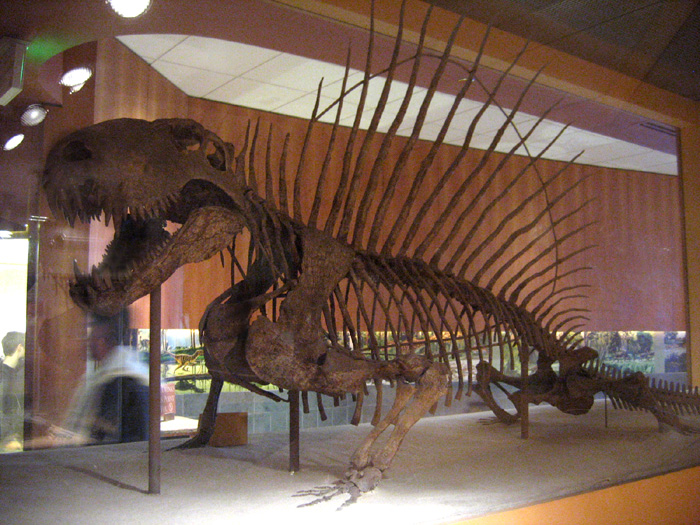



Anatomy and adaptations
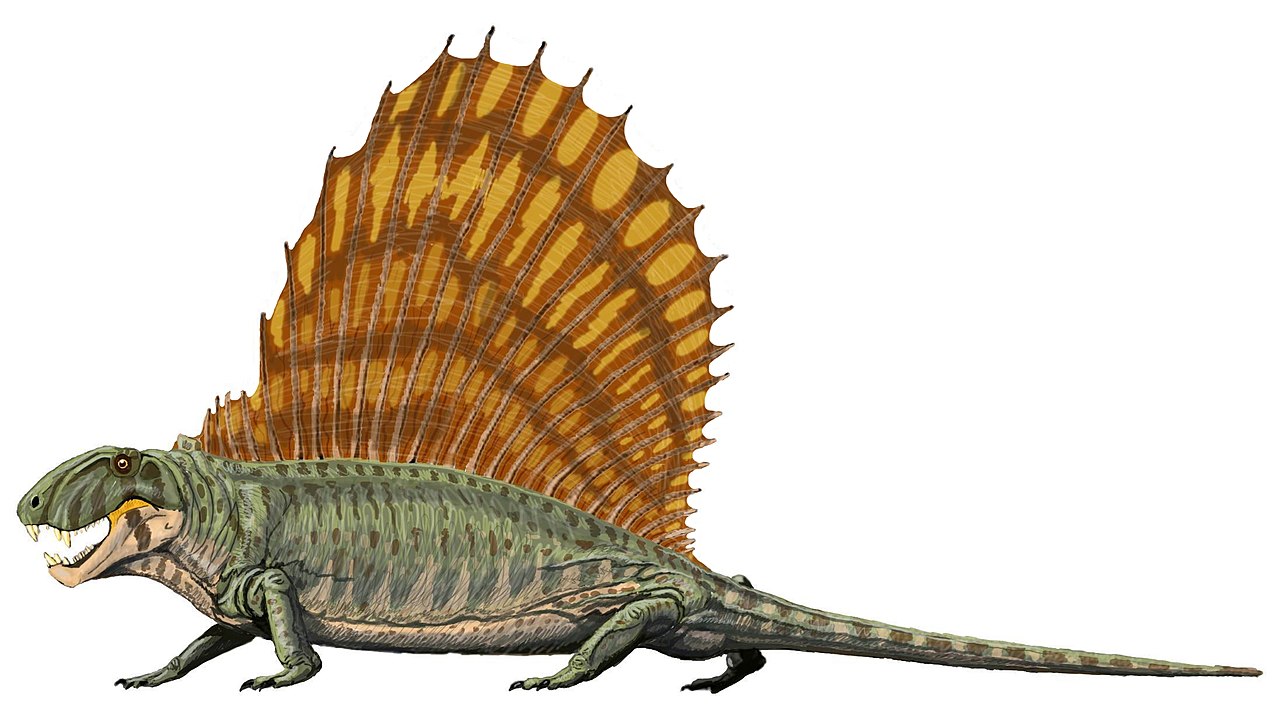
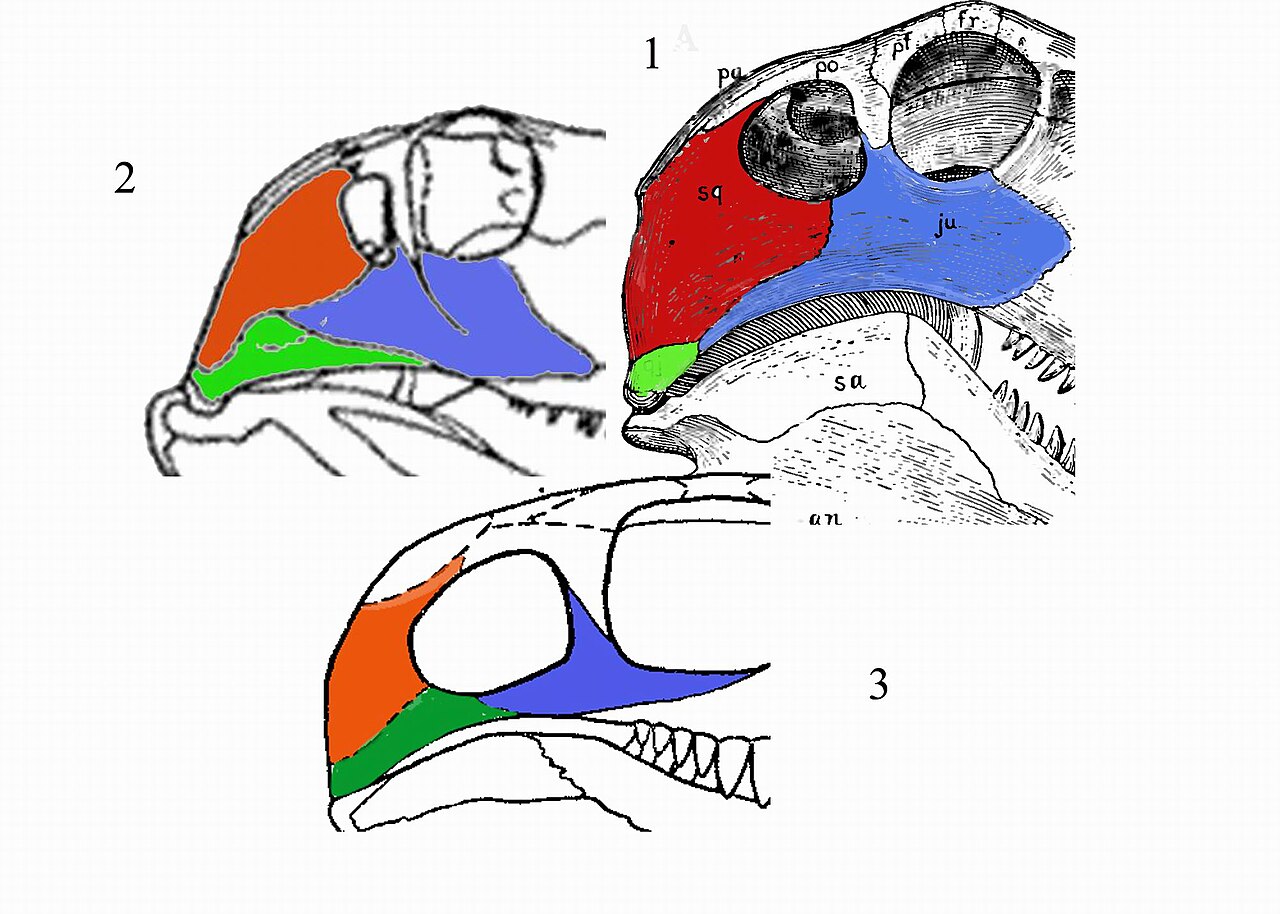
Typical pelycosaurs show a combination of primitive and derived traits. Their skulls possess a single temporal opening low on each side, a hallmark of synapsids. Many had robust bodies, relatively sprawling limb posture, and long tails. A number of genera developed a tall neural-spine sail supported by elongated vertebral spines; the sail is most famous in Dimetrodon and is hypothesized to have served in thermoregulation, visual display, or species recognition. Dentition in pelycosaurs ranges from simple homodont teeth to more differentiated patterns, foreshadowing the heterodonty characteristic of later therapsids and mammals.
Evolution and classification
Pelycosaurs first appear among early tetrapods (tetrapods) in the Pennsylvanian (Pennsylvanian) fossil record and diversified through the Permian (Permian). By the late Permian many pelycosaur-like lineages gave rise to more derived synapsids called therapsids (therapsids), which show progressively more mammal-like features. While most pelycosaurs vanished during the major end-Permian extinction, some lineages persisted briefly and contributed to the ancestry of therapsids, which in turn are ancestral to true mammals (mammals). A few pelycosaur-grade fossils extend into rocks slightly younger than the main Permian turnover and into the lower Triassic (Triassic) in fragmentary form.
Ecology and significance
During their heyday pelycosaurs occupied a range of ecological roles. Some were large apex predators with blade-like teeth, others were herbivorous or insectivorous. As dominant terrestrial vertebrates for many millions of years, they were the primary large land animals of their ecosystems and shaped terrestrial food webs of the Permian. Their body plans and life habits illustrate early experiments in vertebrate terrestrial adaptation and provide key evidence for the stepwise acquisition of mammalian characteristics.
Notable genera and distinguishing facts
- Dimetrodon — among the best known owing to its sail and status as a top predator (Dimetrodon).
- Edaphosaurus — a sail-backed herbivore with distinctive tooth batteries.
- Ophiacodon and Varanops — examples of more generalized pelycosaur-grade synapsids.
Because "pelycosaur" excludes their therapsid descendants, modern taxonomy favors clades that reflect common ancestry. The term remains useful in general descriptions and popular accounts but is used cautiously in technical contexts. For further background on synapsid evolution and fossil occurrences, consult standard paleontology resources or comprehensive reviews (synapsids, reptiles, tetrapods).
Questions and answers
Q: What are Pelycosaurs?
A: Pelycosaurs were the earliest synapsids that were the dominant land animals for some 40 million years and were almost wiped out by the P/Tr extinction event.
Q: What does the term Pelycosaur mean?
A: The term Pelycosaur means "basin lizards."
Q: Were Pelycosaurs dinosaurs or reptiles?
A: Pelycosaurs were not dinosaurs or reptiles.
Q: What is the relation between Pelycosaurs and the mammals?
A: Pelycosaurs led to the therapsids, which led to the mammals.
Q: What is the most notable Pelycosaur?
A: Dimetrodon was the most notable Pelycosaur and the top predator of its time.
Q: When did Pelycosaurs go extinct?
A: Pelycosaurs went extinct at the end of the Permian period.
Q: Why is the term "Pelycosaur" not used much nowadays?
A: Because the term "Pelycosaur" does not include their descendants, it is not used much now.
Related articles
Author
AlegsaOnline.com Pelycosaurs: early synapsids that preceded therapsids and mammals Leandro Alegsa
URL: https://en.alegsaonline.com/art/75514
Sources
- species.wikimedia.org : Pelycosauria
- rspb.royalsocietypublishing.org : rspb.royalsocietypublishing.org/content/274/1627/2829