
Actor: profession, skills, media, and history
An actor performs roles in theatre, film, television, radio and other media. This article explains types of acting, common skills and training, historical origins, career paths, and distinctions such as actor vs actress.
Overview
An actor is a person who portrays a character by speaking, moving, singing or otherwise performing in dramatic works. Actors appear in many media: live theatre, films, television, radio and recorded audio, and increasingly in digital and interactive formats. The verb often used to describe the work is to act. Historically the term ‘thespian’ comes from Thespis, an early figure in ancient Greek drama often credited as the first recorded performer.
Image gallery
10 Images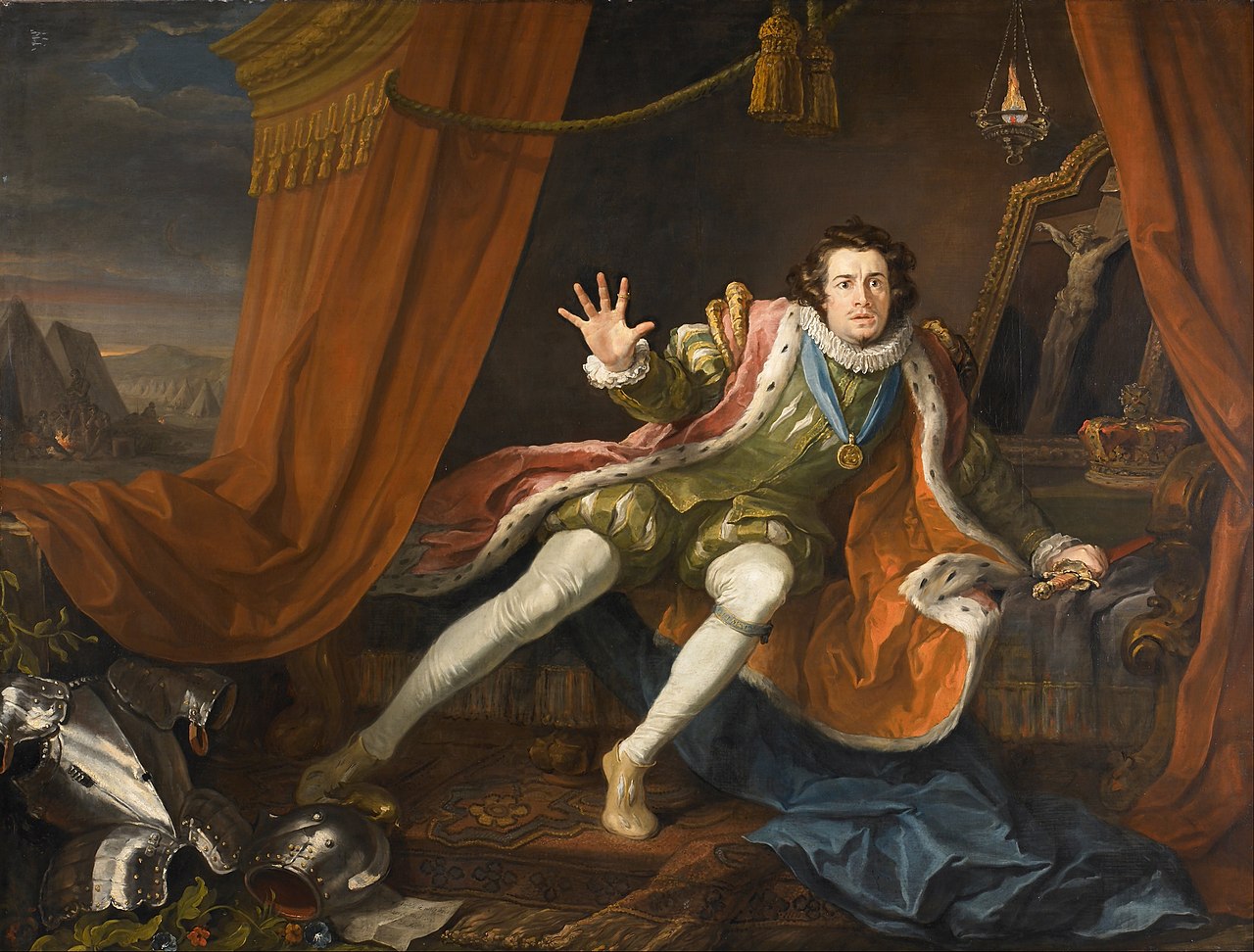


Where actors work
Acting takes place in a variety of settings. On screen, performers work in movies and television, where scenes are recorded and can be revised; see more about film work at movie resources. Stage actors perform live in plays and musicals in theatres; many texts and practices for stage drama are discussed in theatrical contexts like play studies. Radio and audio drama emphasize voice and sound; performers who specialize in spoken performance often appear on radio or in audiobooks.
Skills, training and preparation
Acting combines vocal technique, movement, emotional access and the ability to interpret text and direction. Training ranges from formal drama schools and university programs to workshops and apprenticeships in theatre companies. Approaches to craft include classical training and modern systems influenced by figures such as Konstantin Stanislavski and later “method” techniques; practical preparation involves rehearsal, script analysis, dialect work and physical conditioning.
- Vocal control: projection, diction, accents.
- Physical skills: movement, stage combat, dance.
- Interpretation: character development and emotional truth.
- Professional practices: auditioning, taking direction, on-set etiquette.
Types of roles and career paths
Careers in acting are diverse. Some actors are leading performers in films or plays; others work as supporting or character actors, voice artists, extras, or in specialized positions such as stunt performers or puppeteers. Many people act professionally, while others participate as amateurs in community, school or regional theatre. Employment can be freelance, contract-based, or long-term with theatre companies and productions.
History and cultural importance
Acting has roots in ancient ritual and the formalized stages of ancient Greece. Over centuries, the craft evolved through ensemble companies, Renaissance drama, and the emergence of cinema and broadcast media in the 19th and 20th centuries. Actors shape storytelling and public discourse; celebrated performers often influence fashion, language and social issues. The term "actor" is increasingly used as a gender-neutral label, though "actress" remains in common use for women in some contexts. Professional organizations and awards recognize achievement across stage, screen and audio.
Notable distinctions
- Live vs recorded performance: live work demands continuity and the ability to sustain a role for an audience; recorded work can rely on closeups, edits and multiple takes.
- Specializations: voice acting, motion capture and stunt work each require distinct techniques.
- Career variability: an acting career can include intermittent freelance engagements, long runs in theatre, or steady roles in television series.
Actors are essential collaborators in dramatized storytelling, translating written material into lived action and creating characters that convey ideas, emotions and cultural values to audiences across media.
Questions and answers
Q: What is an actor?
A: An actor is a person who acts or has a role in a movie, TV show, play, or radio show.
Q: Can actors be professional or not?
A: Yes, actors may be professional or not.
Q: Do actors only perform in movies and TV shows?
A: No, actors may also perform in plays, musicals, and radio shows.
Q: What is a female actor called?
A: A female actor is called an actress.
Q: Is the word "actor" only used for men?
A: No, the word "actor" is used for both men and women when referring to a group.
Q: What is another name for actors?
A: Actors are also known as "thespians."
Q: Who was the first known Greek actor?
A: The first known Greek actor was Thespis.
Related articles
Author
AlegsaOnline.com Actor: profession, skills, media, and history Leandro Alegsa
URL: https://en.alegsaonline.com/art/809
Sources
- Actors
- sft.edu : sft.edu
- infoplease.com : "Movies and Film: Film Acting vs. Theater Acting"
- ace-your-audition.com : ace-your-audition.com