
Osamu Dazai: life, works, and influence of a Japanese novelist
Concise encyclopedia entry on Osamu Dazai (1909–1948): biography, major works, themes of alienation and confession, critical reception and lasting influence in Japanese literature and popular culture.
Osamu Dazai (born Tsushima Shūji, June 19, 1909—June 13, 1948) is one of modern Japan's most discussed and widely read novelists. Writing in a frank, confessional voice, he produced novels, novellas and short stories that examine identity, failure, addiction and social dislocation. His major works, notably The Setting Sun and No Longer Human, remain part of the modern Japanese canon and are often assigned in schools and read by young adults.
Image gallery
6 Images

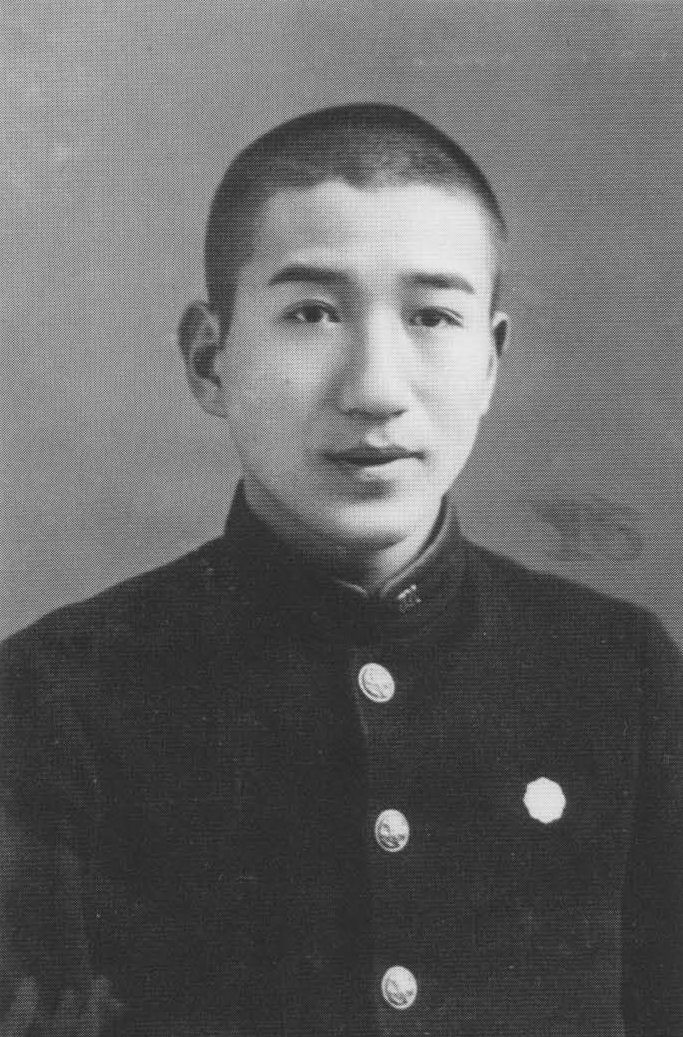
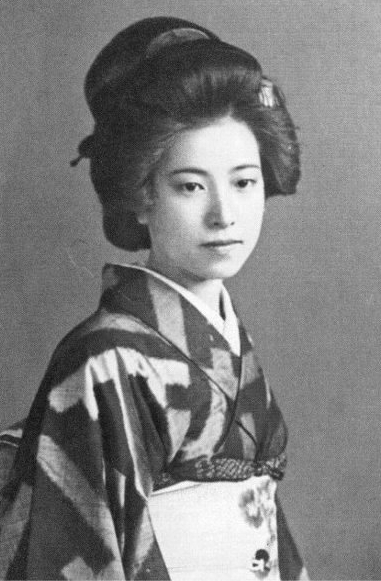


Life and background
Dazai was born into a family with roots in northern Japan and grew up in Aomori Prefecture. He later studied in Tokyo and became involved in literary circles during the 1930s. His personal life was marked by recurring depression, struggles with alcohol and multiple suicide attempts; these experiences shaped the autobiographical tone of much of his fiction. He is commonly associated with the postwar buraiha writers, a loose grouping of authors who portrayed social disaffection and questioned traditional values in the wake of wartime upheaval.
Major works and themes
Dazai’s prose blends dark humor, self-mockery and empathy for damaged characters. Recurring themes include alienation from society, the search for authenticity, the burden of family expectations and the effects of personal failure. Important titles include:
- No Longer Human (Ningen Shikkaku) — a semi-autobiographical narrative centered on a narrator who feels unable to understand or connect with others.
- The Setting Sun (Shōyō) — a postwar family drama that explores decline, changing roles and social dislocation after the war.
- Villon's Wife and various short stories — works that show Dazai’s range from intimate realism to retellings and parable-like tales.
Style and literary significance
Dazai wrote in a voice that often feels direct and conversational; his best work combines a candid first-person perspective with careful narrative craft. Critics debate the balance between confession and artifice in his work, and scholars continue to examine how his life informed his fiction. Regardless of interpretation, his ability to give voice to inward turmoil has kept his writing relevant.
Death and legacy
In June 1948, Dazai died by suicide alongside a woman companion; their bodies were discovered several days later. The circumstances of his death, together with the autobiographical elements of his writing, have contributed to his complex cultural image as a brilliant but troubled figure. His works have been translated into many languages and adapted in film, television and other media, and he remains a touchstone for writers and readers interested in themes of alienation and confession.
Further resources
For introductions, detailed bibliographies and historical context, see the following:
- Biographical overview
- Selected bibliography and translations
- Aomori and early life
- Japan in the early 20th century: context
- Resources on The Setting Sun
- Studies of alienation in Dazai's writing
- Critical essays on pessimism and style
- Literary accounts of addiction and alcoholism
- Dazai's reception among students and young readers
- Contemporary adaptations and cultural influence
- Timeline for June 1948 events
- Postwar publishing history and reception
- Scholarly discussions of Dazai's final years
- Further scholarly and archival resources
For readers new to Dazai, beginning with No Longer Human or a collection of his short stories offers a clear sense of his voice, recurring concerns and the reasons he remains a central figure in modern Japanese literature.
Related articles
Author
AlegsaOnline.com Osamu Dazai: life, works, and influence of a Japanese novelist Leandro Alegsa
URL: https://en.alegsaonline.com/art/73312
Sources
- commons.wikimedia.org : Osamu Dazai