
Movie director
A movie director shapes the creative vision of a film, leads actors and crew, and coordinates production through to post‑production while working with producers and studios.
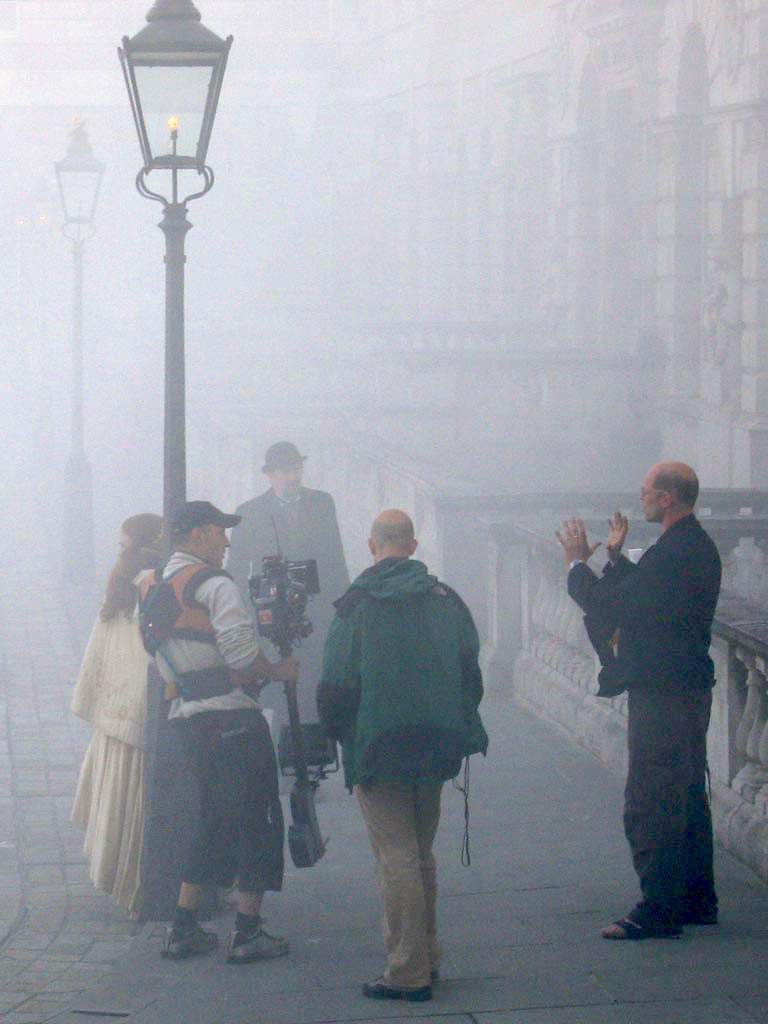
A movie director is the creative leader responsible for turning a script into a finished motion picture. Working across pre‑production, principal photography and post‑production, the director develops and maintains the film's artistic vision: tone, pacing, visual style and performance. In common usage the terms film director and movie director are interchangeable; both refer to the person who makes the key creative decisions on set and in the editing room.
Image gallery
4 Images

Core responsibilities
Directing is a blend of artistic choices and practical management. Typical duties include:
- Interpreting the screenplay and shaping story structure, theme and character arcs.
- Casting actors and coaching performances; working directly with the actors to refine delivery, motivation and blocking.
- Collaborating with department heads—cinematography, production design, costume, sound, and editing—to realize a cohesive look and feel.
- Choosing camera setups, shot composition and the visual vocabulary with the cinematographer.
- Guiding the edit, supervising sound design and the musical score to finalize rhythm and emotional impact.
Many of these tasks are shared with specialists. For example, a director will describe a lighting approach and the director of photography will execute it. A director's role is therefore both directive and collaborative: they articulate decisions and rely on skilled crew members to implement them.
Collaboration and power dynamics
Directors rarely work in isolation. They typically partner with a producer who handles financing, logistics and business affairs; see producer for more on that role. Commercial films are often influenced by studios and financiers (studio involvement), while independent projects may grant directors greater creative freedom. The level of control a director holds varies widely: under the classic American studio system of the 1930s–1950s many creative choices were studio-driven, whereas some modern filmmakers enjoy near-total control over their projects.
Film history offers examples at both ends of the spectrum. Directors often celebrated for their strong personal control include Stanley Kubrick, Jean‑Luc Godard, Steven Spielberg and James Cameron. Their work is frequently discussed in the context of the "auteur" theory, which regards the director as the primary creative author of a film.
Pathways and changing practice
People become directors by many routes: film school, theatre, television, advertising, or working their way up as assistant directors or in other crew roles. Technological change has broadened possibilities: digital cameras, non‑linear editing and visual effects have altered both the craft and the economics of directing, while new distribution platforms have changed audiences and production models.
Directing also involves practical leadership: managing time, budgets and safety on set; coordinating schedules; and making hundreds of small creative decisions under pressure. The director's credit remains one of the most visible and influential on a movie, but successful filmmaking depends on the combined work of a large, specialized crew and the support of producers, financiers and, at times, a studio or distributor.
Key collaborators
- Cinematographer (director of photography) — translates visual ideas into camera and lighting choices.
- Editor — shapes the film's rhythm and structure during post‑production.
- Production designer — creates sets and locations that support the director's visual concept.
- Composer and sound team — build the auditory environment that complements images and performances.
For further reading about the craft and history of directing, see resources on the nature of cinematic authorship and professional role descriptions such as artistic direction and national film traditions including the American studio era.
Related articles
Author
AlegsaOnline.com Movie director Leandro Alegsa
URL: https://en.alegsaonline.com/art/67198
Sources
- sensesofcinema.com : sensesofcinema.com/great-directors/