
Osamu Tezuka: life, work, and influence of a manga pioneer
Comprehensive overview of Osamu Tezuka: biography, major works, artistic style, influence on manga and anime, selected titles, and lasting legacy.
Overview
Osamu Tezuka was a prolific Japanese creator whose work reshaped modern comics and animation. Born in 1928 in Osaka Prefecture, he trained in medicine but made his career as a comics artist, animator and producer. His wide-ranging output—spanning child-friendly series to complex adult drama—established storytelling techniques and visual grammar that persist in contemporary manga and anime.
His name in Japanese is often represented in resources that explain name order and orthography: see Japanese naming conventions and examples of readings at name guides. The family name Tezuka is sometimes discussed on pages about Japanese surnames: Tezuka (family name).
Image gallery
3 Images

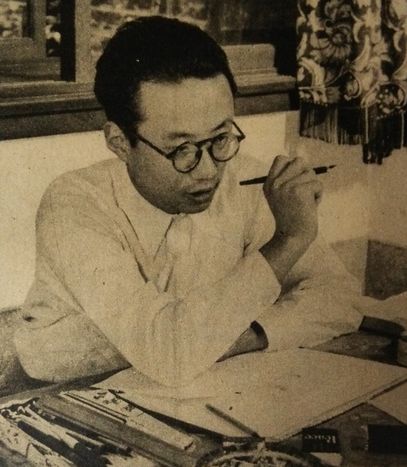
Early life and education
Tezuka grew up reading Western comics and films, which, combined with traditional Japanese picture storytelling, shaped his approach to pacing and panel composition. He completed medical studies and earned a Doctor of Medicine degree, though he did not practice clinically; biographical summaries and professional profiles note this dual background: biographical notes and retrospectives on his schooling appear at educational histories.
Career and major works
Beginning in the late 1940s, Tezuka introduced innovations in panel layout, cinematic pacing and character expressiveness. His breakthrough book-style comic redirected Japanese popular culture toward longer-form narratives. Notable creations include the science-fiction hero Astro Boy, the adventure-drama Kimba the White Lion, and the medically themed, morally ambiguous surgeon Black Jack. He also tackled ambitious adult themes in long-form works like Phoenix and Buddha.
Artistic style and themes
Tezuka blended fast, readable storytelling with wide-ranging themes: humanism, life and death, medical ethics and the consequences of technology. He favored clear, expressive character designs, frequent close-ups, and dynamic motion lines that suggested cinematic movement. Critics and historians track how these techniques influenced both the visual language of manga and the pacing of television animation.
Uses, reception and influence
Tezuka is widely credited as a foundational figure in anime and manga; some accounts call him the "father of anime" and compare his cultural role to that of Walt Disney in the United States. For discussion of that comparison and broader reception see comparative studies and popular-press retrospectives at cultural analyses. His works have been adapted into television series, films, stage plays and academic studies, and they continue to be translated and reprinted internationally.
Legacy and commemoration
Tezuka died in 1989; his passing had a notable effect on creators and fans. Institutions and archives preserve his manuscripts and animation cells; a museum dedicated to his life and work provides exhibitions and educational programs. Official honors, posthumous awards and continuing adaptations testify to his enduring influence—further reading on commemorations is available at memorial sites and curated collections at archive pages.
Selected works and notable facts
- Astro Boy (Tetsuwan Atomu) — iconic science-fiction hero that helped popularize televised anime; background and episode guides: Astro Boy resources.
- Kimba the White Lion — an early color-animated series with animal-hero themes.
- Black Jack — episodic medical drama focusing on an enigmatic surgeon and ethical dilemmas.
- Phoenix and Buddha — expansive, philosophical long-form manga exploring life, rebirth and history.
Tezuka's approach combined rapid output with careful storycraft: he ran a studio and trained teams of assistants, set editorial standards for serialized comics, and experimented with animation production methods. His quotations and creative manifestos are often cited in studies of manga theory; for interpretive essays and primary-source excerpts consult links above.
Because Tezuka worked across genres and audiences, his oeuvre offers entry points for readers of all ages: from action-driven children's tales to layered adult epics that reward scholarly examination. His innovations remain a touchstone for anyone studying the evolution of sequential art and animated storytelling in the twentieth century.
Related articles
Author
AlegsaOnline.com Osamu Tezuka: life, work, and influence of a manga pioneer Leandro Alegsa
URL: https://en.alegsaonline.com/art/73317