
Order of Leopold (Belgium)
Belgium's highest national order of knighthood, founded in 1832, with civilian, military and maritime divisions and five classes, awarded for bravery or exceptional service.
Overview
The Order of Leopold is the principal national order of knighthood of Belgium. Instituted in 1832, it honors extraordinary service to the nation and conspicuous bravery in wartime. It is conferred by royal decree and carries precedence above other Belgian orders. The order is also known by its Dutch name, Leopoldsorde, and its French name, Ordre de Léopold.
Image gallery
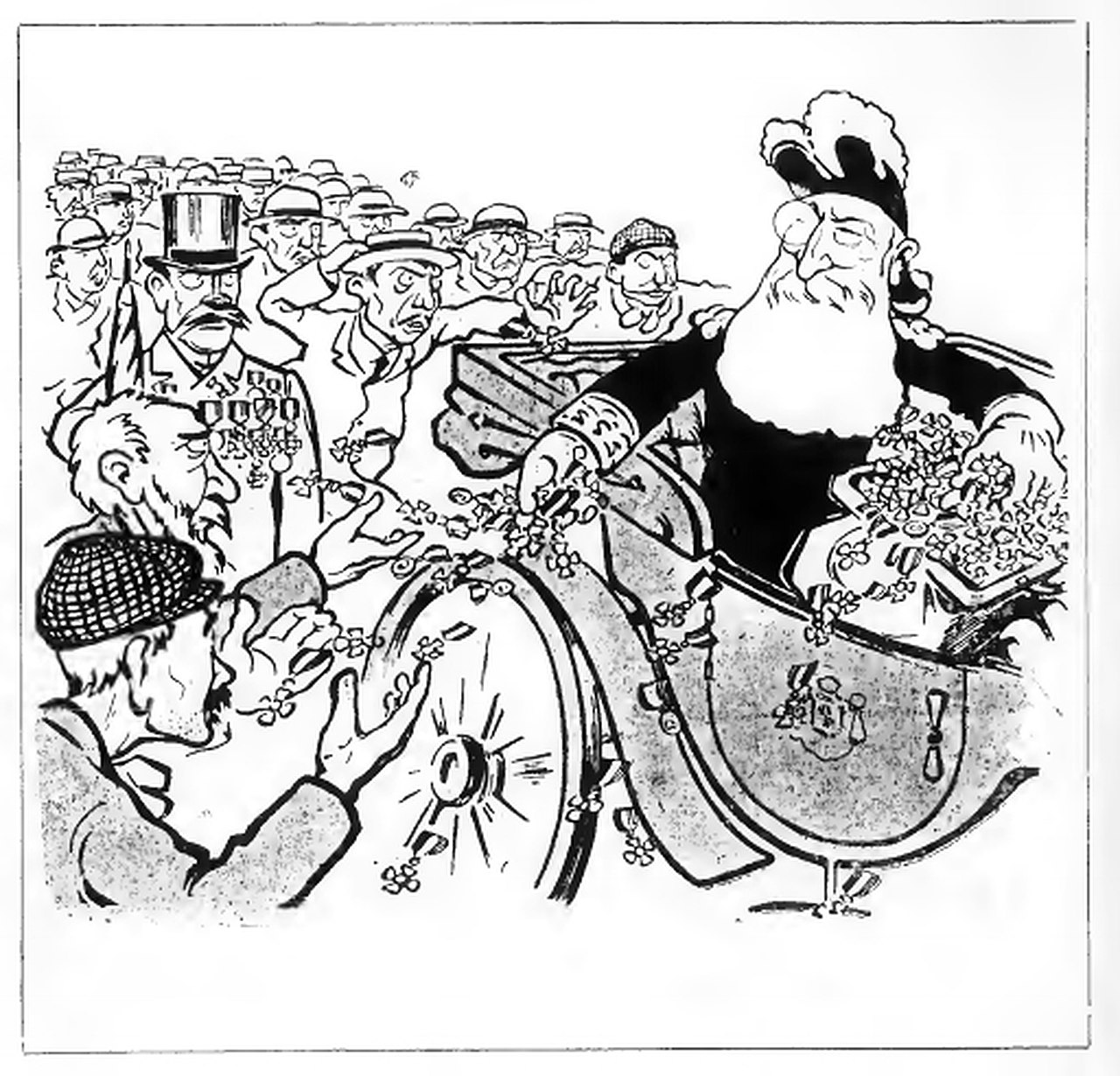
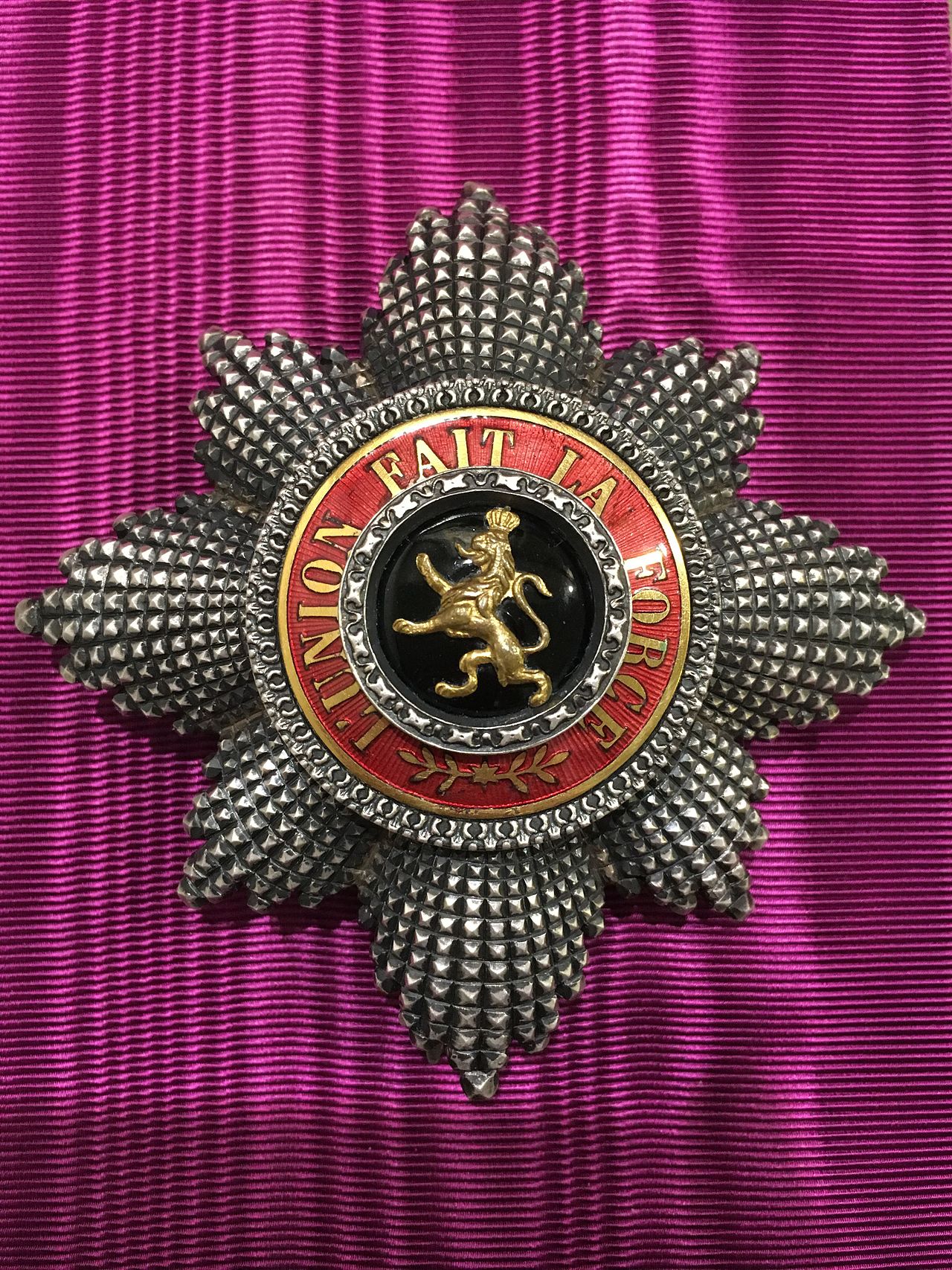
10 Images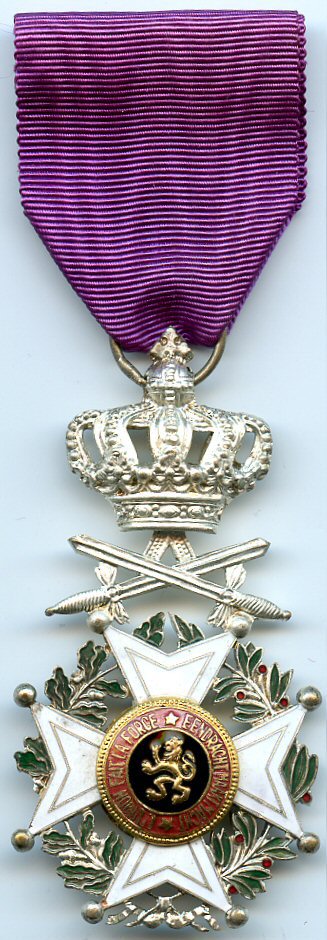



Structure and divisions
The Order of Leopold is organized into three distinct divisions to reflect the sphere of service: a civilian division for public and private merit, a military division for members of the armed forces, and a maritime division intended primarily for personnel of the merchant navy. Each division may be awarded at several levels according to the degree of service.
- Five principal classes: Grand Cordon (or Grand Cross), Grand Officer, Commander, Officer, and Knight.
- Typical insignia include a badge, a breast star for higher classes, and a ribbon or sash used as the wearer's accoutrement.
- Award decisions are formalized by royal decree and are often announced on national occasions.
History and development
The order was established on 11 July 1832, shortly after Belgium became an independent kingdom under the monarch and in honor of its first sovereign, Leopold I. Over the decades the order evolved in protocol and ceremonial form, becoming the highest civil and military honor available in the Belgian system of decorations. During major conflicts and diplomatic exchanges it has also been used to recognize foreign individuals whose actions benefited Belgium.
Criteria, typical reasons for award, and notable recipients
Recipients are chosen for acts of extreme courage in combat or for meritorious service of significant benefit to the Belgian state. In wartime the military division has been conferred upon both Belgian and allied officers. In the Second World War, a number of foreign commanders received the order in recognition of their role in the liberation of Belgian territory from occupying German forces.
- Prominent wartime recipients include Allied commanders such as George S. Patton, Bernard Montgomery, and Dwight D. Eisenhower. The order has also been awarded to later military leaders like Wesley Clark.
- Individual honorees include decorated veterans such as Sergeant Francis S. Currey, recognized for actions during the Battle of Malmedy, and civilian figures and engineers like Karel Bossart. Statesmen such as Josip Broz Tito have also received the decoration.
- The order is comparable in purpose to other countries' highest decorations and has sometimes been granted to holders of distinctions like the Medal of Honor when their deeds affected Belgium's fate.
Significance and distinctions
As Belgium's premier honor, the Order of Leopold carries both ceremonial prestige and a clear place in the nation's honors system. It is distinct from other Belgian orders in its seniority and in the broad range of services it may recognize—military valor, eminent civil service, and maritime conduct. Historically and ceremonially it represents a tangible link to the early years of Belgian independence and to the monarchy that established it.
The order remains an active element of Belgian state recognition: nominations are reviewed, and awards continue to be made for exceptional contributions to national life and security.
Related articles
Author
AlegsaOnline.com Order of Leopold (Belgium) Leandro Alegsa
URL: https://en.alegsaonline.com/art/73007
Sources
- medals.org.uk : "Kingdom of Belgium: Order of Leopold I"
- nysenate.gov : "Francis S. Currey"