
Order of the British Empire
A British order of chivalry established in 1917 that recognises contributions to public life, arts, sciences, charity and wartime service, with civil and military divisions and several ranks.
Overview
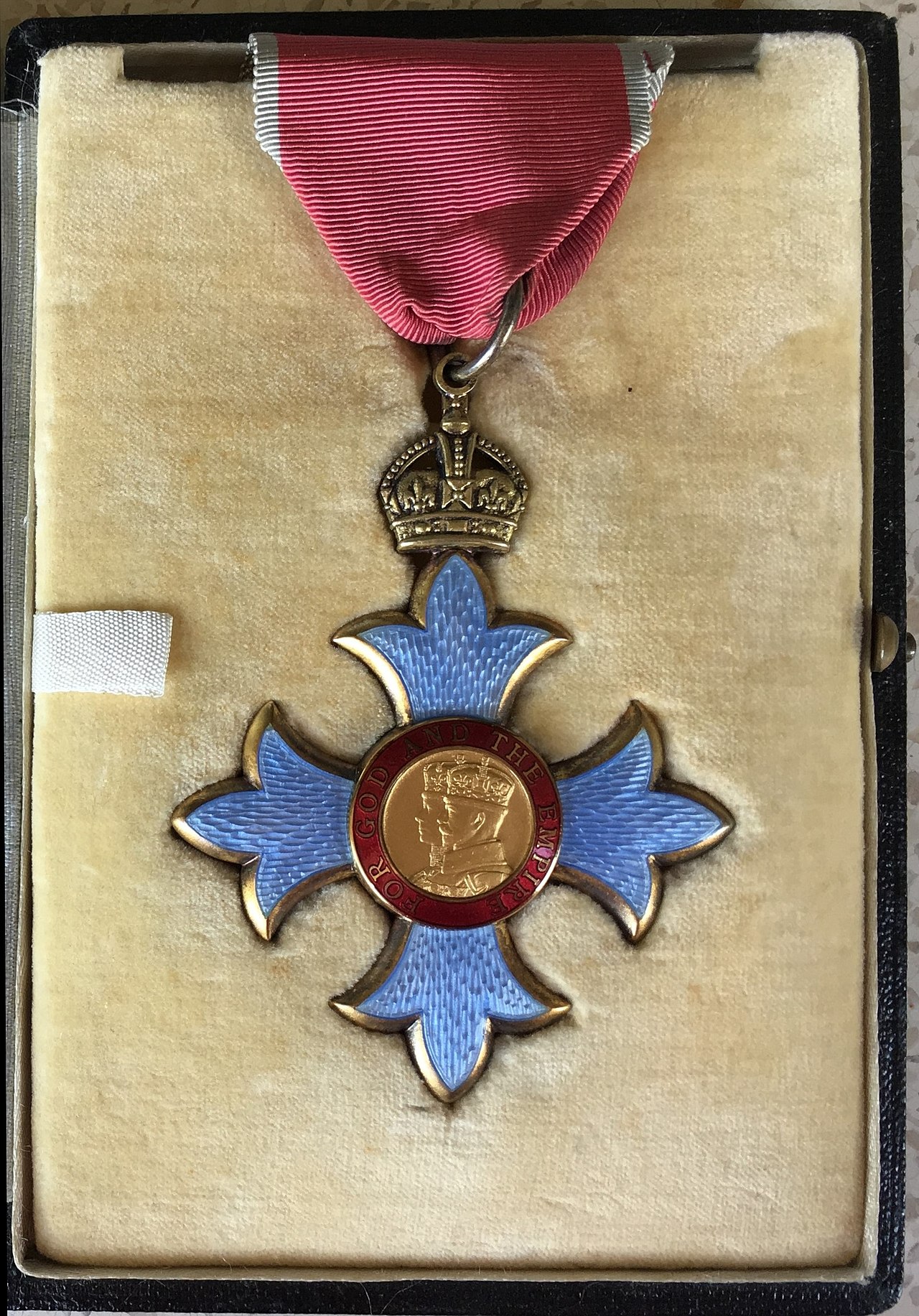
The Most Excellent Order of the British Empire is a British order of chivalry established on 4 June 1917 by King George V. It was created to recognise a wide range of services to the nation and the war effort during the First World War and has since been used to honour achievements across civilian life as well as military service.
Image gallery
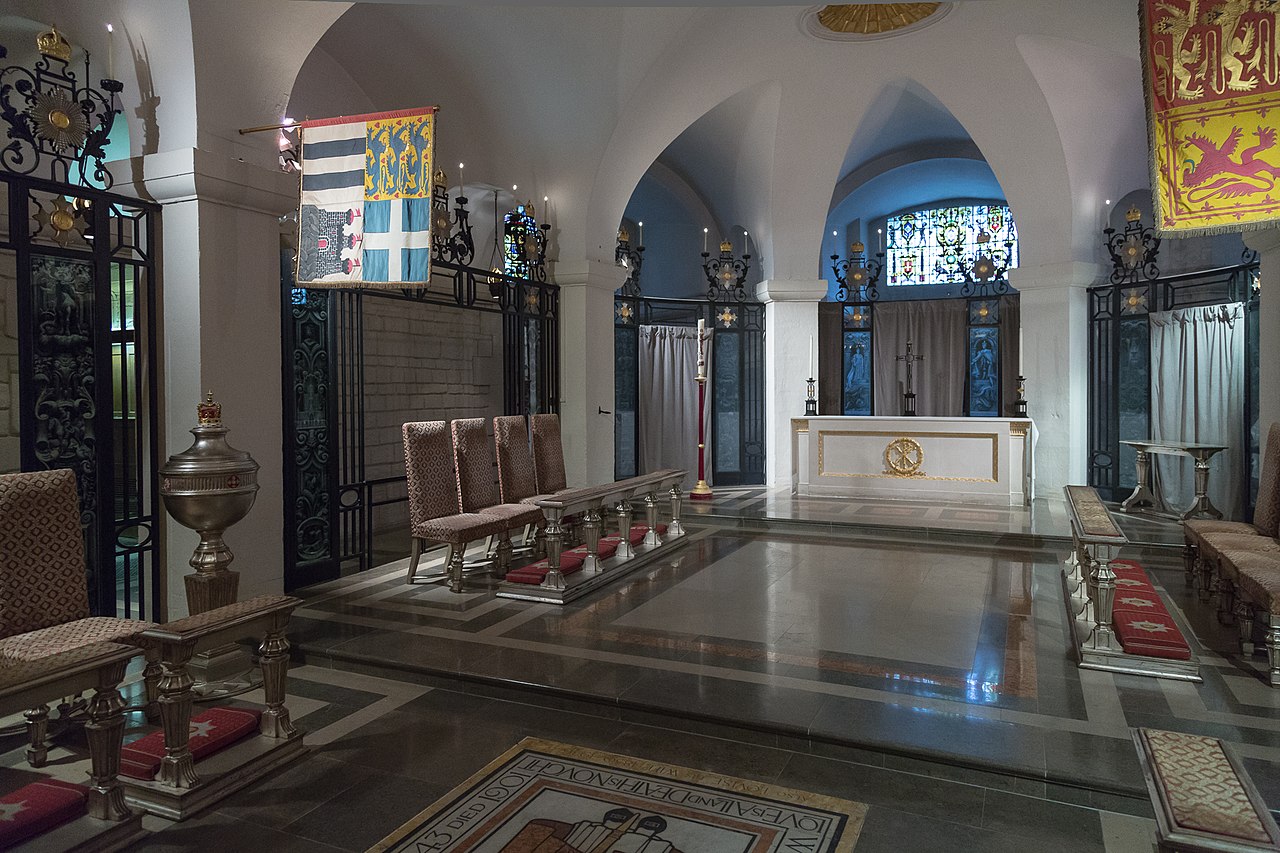
10 Images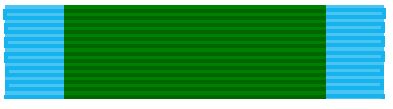





Structure and ranks
The order is organised into several grades that indicate different levels of distinction. The principal grades, from highest to lowest, are:
- Knight or Dame Grand Cross (GBE)
- Knight or Dame Commander (KBE/DBE)
- Commander (CBE)
- Officer (OBE)
- Member (MBE)
In addition to these grades, the British Empire Medal (BEM) is affiliated with the order and has been used to acknowledge meritorious local service. The order is divided into civil and military divisions; the higher grades may confer the titles "Sir" or "Dame" on qualifying citizens, while non-Commonwealth recipients normally receive honorary awards.
History and development
Introduced in the context of the First World War, the order broadened the honours system so that contributions outside traditional military command and senior civil service roles could be celebrated. Over the following decades it became a common form of recognition in both peacetime and war, appearing in the regular honours exercises announced by the sovereign.
Role, nomination and examples
Members are nominated through public and official channels and reviewed by honours committees before the sovereign approves appointments on ministerial advice. Recipients span a wide range of fields: community volunteers, artists, scientists, educators, charity leaders, civil servants and members of the armed forces are typical awardees. Investiture ceremonies are normally conducted by the sovereign or a senior royal representative.
Notable facts and discussion
The order is one of the most recognisable elements of the modern British honours system and is awarded in regular honours lists such as the New Year and Birthday Honours. Its name, which recalls the British Empire, has attracted debate in modern times about whether it remains an appropriate title; some people have declined or returned honours for various reasons. Despite such discussions, the order continues to be a principal means of public recognition in the United Kingdom and across the Commonwealth realms.
Related articles
Author
AlegsaOnline.com Order of the British Empire Leandro Alegsa
URL: https://en.alegsaonline.com/art/73017