
The Most Honourable Order of the Bath
A British order of chivalry founded in 1725 with medieval origins; it has military and civil divisions and three classes of membership, known for its distinctive motto and ceremonial insignia.
The Most Honourable Order of the Bath is a British order of chivalry with ceremonial roots that reach into the Middle Ages. It was re-established as a modern order by George I on 18 May 1725, though the phrase and ritual that inspired the title were recorded centuries earlier. The name recalls a medieval preparatory ritual that involved fasting, prayer and a ritual bath before elevation to knighthood. That older ceremony survived in modified forms until the early nineteenth century and was formally discontinued in 1815.
Image gallery
10 Images
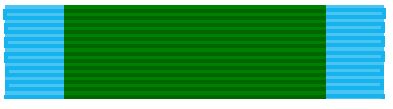



Origins and early history
Records describe a vigil and bathing rite associated with knighthood as far back as the twelfth century, and the symbolic ‘‘bath’’ came to represent purification and the responsibilities of public service. When the early modern order was created in the 1720s, it drew on those medieval images while formalising a contemporary honour system for rewarding military and civil achievement. Over time the Order adjusted to changing political realities and administration but continued to use historical motifs and language to emphasise continuity with Britain’s chivalric past.
Organization, classes and divisions
The Order is headed by the Sovereign and includes a Great Master; the office of Great Master is traditionally held by a senior royal. Membership is divided into a Civil Division and a Military Division and is arranged in three ranks. The classes, from highest to lowest, are:
- Knight or Dame Grand Cross (GCB)
- Knight or Dame Commander (KCB or DCB)
- Companion (CB)
Appointments are made to recognise distinguished service in public life, government, diplomacy, or the armed forces. The style and post‑nominal letters associated with each class are regulated and carry precedence within the broader British honours system.
Insignia and motto are important elements of the Order’s identity. The principal motto, Tria juncta in uno (Latin for "Three joined in one"), has been variously interpreted as a reference to the historic union of England, Scotland and Ireland or as an allusion to the Christian Trinity. A secondary motto, Ich dien (a German phrase often translated as "I serve"), appears in some military contexts and underscores the service ideal at the heart of the Order. Badges, stars and collars feature crowns and other heraldic motifs and are worn according to rank and division. Historically the star of the Order has influenced certain military rank insignia.
The Order is one of several senior British honours and is surpassed in age only by a small number of older orders such as the Order of the Garter and the Order of the Thistle. Another traditional Irish order, the Order of St Patrick, remains in formal existence though it is no longer active in practice. The Order of the Bath therefore occupies a prominent place in the hierarchy of state decorations and continues to be used to recognise notable contributions to public and military life.
Today the Order performs primarily ceremonial and honourific functions rather than governing any chivalric fraternity in the medieval sense. Investiture ceremonies, published lists of appointments, and the continuing use of distinctive insignia maintain its public profile. Recipients include senior military officers, senior civil servants, diplomats and others whose careers are judged to reflect exceptional service to the nation. For further official details and current practice consult authoritative sources on British honours and ceremonial protocol.
Note: for background on chivalric practice and medieval rituals see specialist histories of knighthood and honours; for formal lists of members or recent appointments consult government publications and official registers.
order of chivalry George I fasting prayer knighthood ceremony Tria juncta in uno England Scotland Ireland Ich dien military Order of the Garter Order of the ThistleRelated articles
Author
AlegsaOnline.com The Most Honourable Order of the Bath Leandro Alegsa
URL: https://en.alegsaonline.com/art/73016