
Leopold I, First King of the Belgians (1790–1865)
German prince who became Belgium’s first monarch after 1830; founder of the Belgian Saxe‑Coburg‑Gotha line and father of Leopold II and Empress Carlota.
Overview
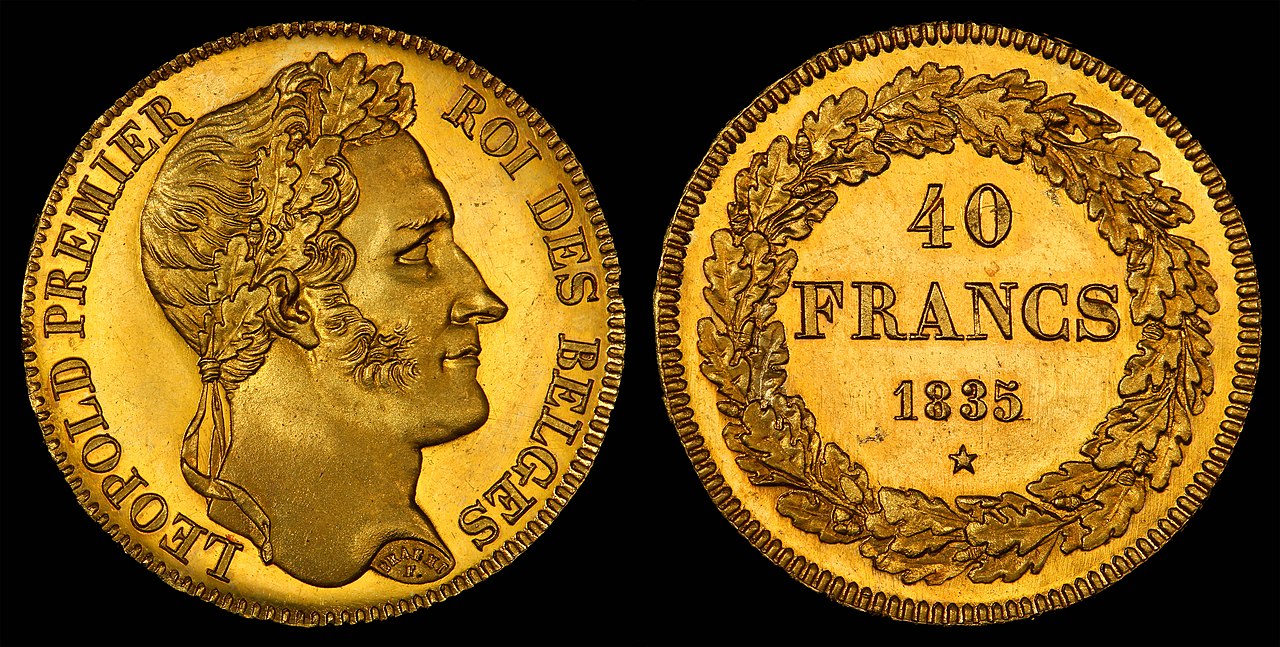
Leopold I (Leopold George Christian Frederick) was the first King of the Belgians, reigning from 1831 until his death in 1865. A German prince by birth, he accepted the Belgian crown after the 1830 revolution that led to independence from the United Kingdom of the Netherlands. His long reign established the constitutional monarchy and dynastic foundations that shaped Belgium’s early years as a state.
Image gallery
10 Images




Origins and early life
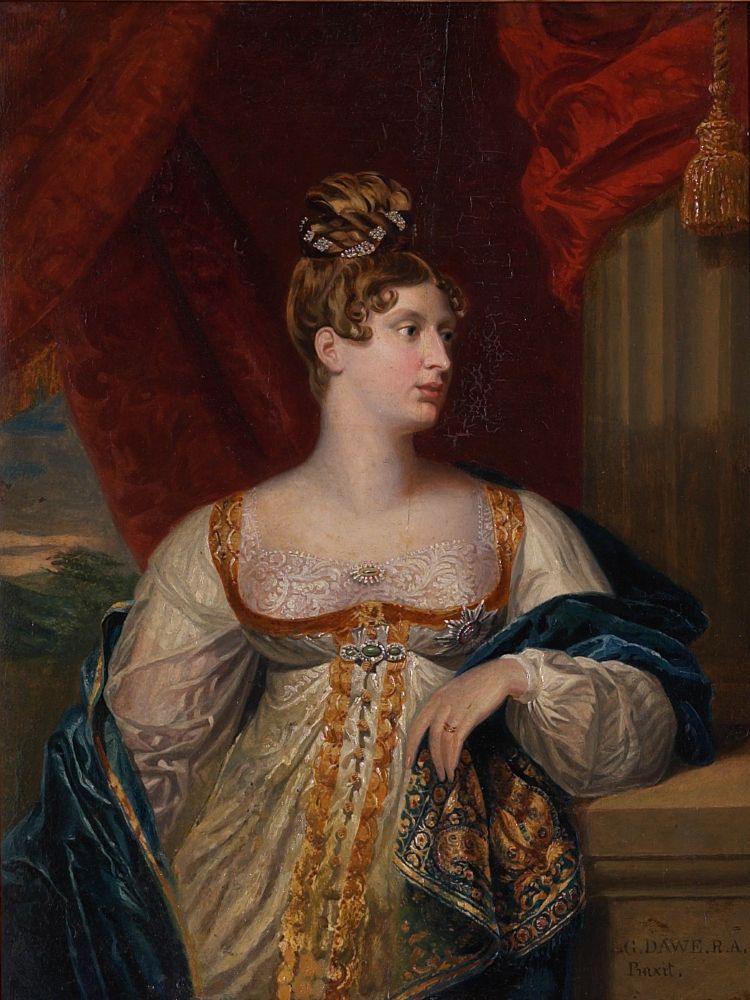
Born in Coburg on 16 December 1790, Leopold belonged to the ducal house of Saxe‑Coburg‑Saalfeld. As a member of that family he maintained strong dynastic links across Europe. Contemporary accounts note his experience in military and diplomatic circles before his election as king, and his family connections later tied him to other reigning houses, including an important relationship with the British royal family.
Reign and role in Belgian independence
After Belgium separated from the Netherlands, Belgian political leaders sought a monarch who could provide legitimacy and neutrality. Leopold accepted the offer and was sworn in on 21 July 1831. During his reign he worked with Belgian ministers to implement a constitutional system, protect territorial integrity, and develop international recognition for the young kingdom. His pragmatic approach helped stabilize Belgian institutions in a volatile European environment.
Family and succession
Leopold founded the Belgian line of the House of Saxe‑Coburg‑Gotha. His children played prominent roles in European affairs; among them were Leopold II, who succeeded him on the throne, and Charlotte (Carlota), who became Empress consort of Mexico. He was also the maternal uncle of Queen Victoria of the United Kingdom, reflecting the wide network of dynastic ties that linked European monarchies in the 19th century.
Legacy and notable facts
- Founder of the Belgian Saxe‑Coburg‑Gotha branch: a dynasty that continued on the Belgian throne for generations.
- Instrumental in turning a revolutionary break with the Netherlands into a stable constitutional monarchy.
- Personal origins in Coburg and princely title in Saxe‑Coburg‑Saalfeld shaped his European profile.
- His accession followed Belgium’s separation from the Netherlands; the events of 1830 are central to his reign (Belgian independence, relations with the Netherlands).
- He fathered Leopold II (Leopold II) and was an uncle to Queen Victoria (Queen Victoria).
Leopold died on 10 December 1865 at Laeken, leaving a constitutional monarchy that had achieved international acceptance and domestic stability after a turbulent start. His reign remains a key chapter in the formation of modern Belgium.
Related articles
Author
AlegsaOnline.com Leopold I, First King of the Belgians (1790–1865) Leandro Alegsa
URL: https://en.alegsaonline.com/art/124267
Sources
- heraldica.org : "Royal Styles and Titles – 1818 Order-in-Council"
- thepeerage.com : "The Peerage: Leopold I Georg Christian Friedrich, Roi des Belges"