
Old City of Jerusalem
Historic walled core of Jerusalem containing key religious sites, four traditional quarters, and a complex modern status involving heritage designation and contested sovereignty.
Overview
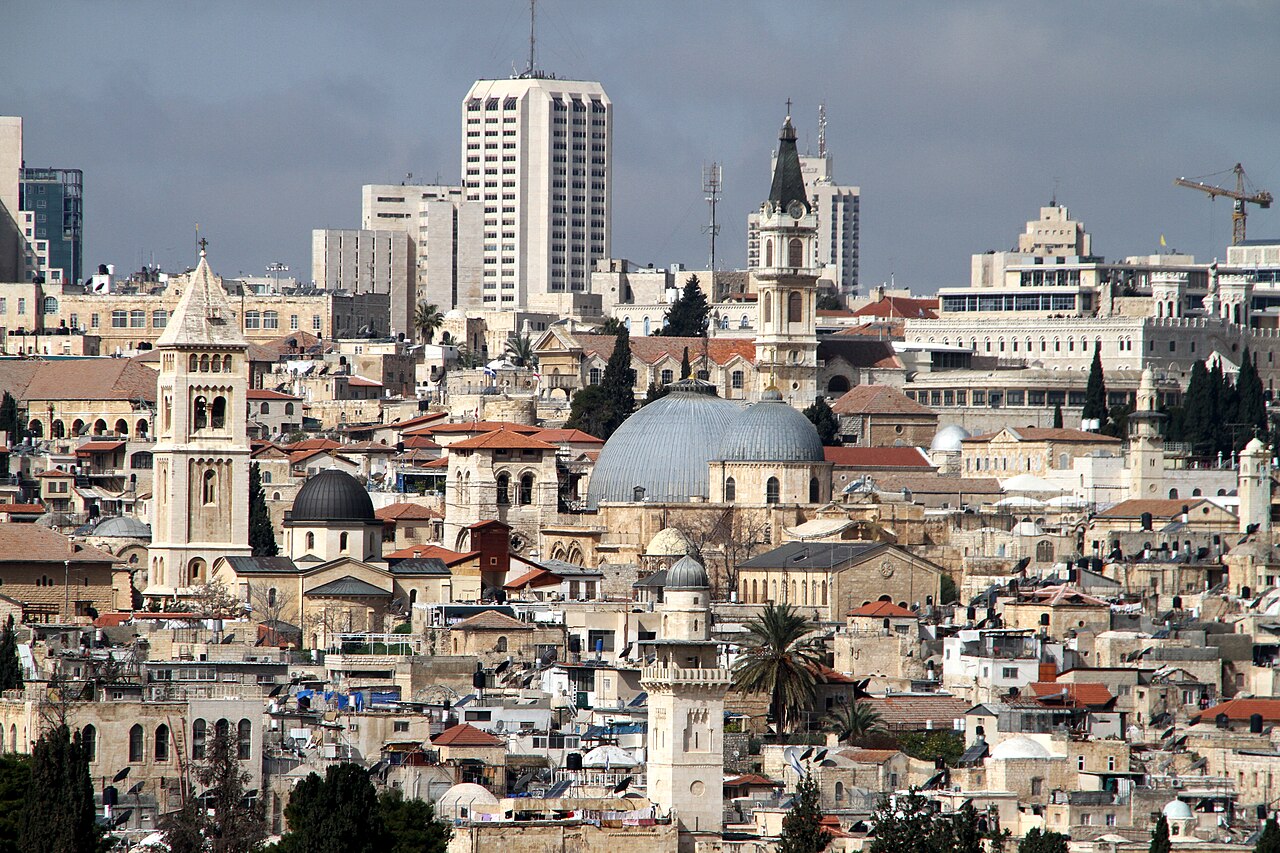
The Old City of Jerusalem is the historic, walled heart of the city. Known in local languages as al-Balda al-Qadimah in Arabic, Hin K'aghak in Armenian and Ha'Ir Ha'Atiqah in Hebrew, it lies within the modern municipal boundaries of Jerusalem. Covering roughly 0.9 square kilometres, the Old City contains a dense concentration of religious, cultural and archaeological sites that have been continuously inhabited and rebuilt over millennia.
Image gallery
10 Images





Layout and principal sites
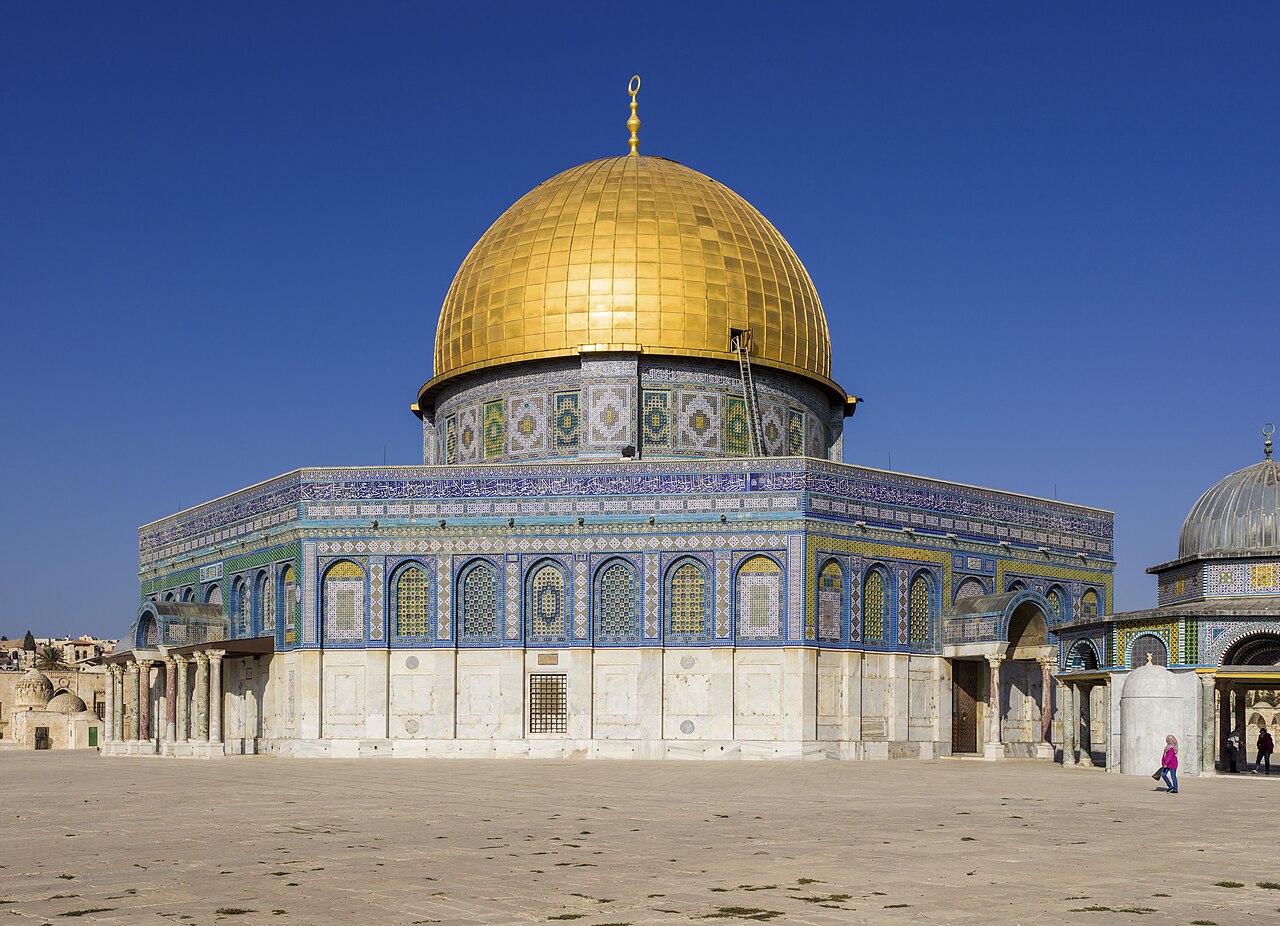
The Old City is traditionally divided into four quarters, officially described in the 19th century as the Muslim, Christian, Jewish and Armenian quarters. Major places of worship and pilgrimage include the Church of the Holy Sepulchre, the complex known as the Temple Mount and its associated structures, the Dome of the Rock and the al-Aqsa Mosque. These and other sites are widely regarded as some of the most important locations for the three Abrahamic religions.
Key landmarks
- Religious shrines: Church of the Holy Sepulchre (Christian), Western Wall area adjacent to the Temple Mount (Jewish) and the Dome of the Rock and al-Aqsa (Muslim, Muslim).
- Historic neighborhoods: the Armenian Quarter (Armenian) and the other three named quarters.
- City fabric: lanes, gates and fortifications set within walls that delineate the core area.
History and development
The Old City formed the entirety of Jerusalem until expansion beyond the walls began in the 19th century. Control of the Old City has changed repeatedly through imperial, medieval and modern wars. After the 1948 Arab–Israeli war, the area came under the administration of Jordan, and many Jewish residents left or were expelled. In 1967, during the Six-Day War, Israeli forces took control of East Jerusalem, including the Old City; this event is often described with the term occupied in international discourse. Since then the Old City has been subject to competing claims, municipal administration, and ongoing conservation work.
Cultural significance, heritage and status
Because of its rich archaeological layers and religious importance, the Old City was inscribed by UNESCO on the World Heritage list in 1981. Due to the larger political conflict over sovereignty and control of East Jerusalem, UNESCO subsequently placed it on the list of World Heritage sites in danger. Many international bodies and observers consider East Jerusalem, including the Old City, to be part of the occupied Palestinian territory, while the State of Israel regards the entire city as its capital.
Contemporary life and tourism
Today the Old City continues to function as a living neighborhood where people pray, work and reside. It attracts pilgrims, tourists and scholars who visit its shrines, markets, museums and gates. Tensions over access, preservation and administration periodically affect daily life and visitor arrangements. The compact character of the Old City means that archaeological conservation, religious practice and municipal services must be carefully balanced to respect its layered history and current communities.
For further reading about the Old City and its complex heritage, see local guides, municipal materials and international cultural organizations that document both its ancient monuments and modern governance. The Old City remains a central focal point for religious devotion, historical memory and political debate in the region.
Arabic name • Armenian name • Hebrew name • Jerusalem • Israel • important places • three religions • Church of the Holy Sepulchre • Temple Mount • Jewish • Dome of the Rock • al-Aqsa • quarters • Armenian Quarter • Jordan • occupied • UNESCO • World Heritage • occupied Palestinian territory
Related articles
Author
AlegsaOnline.com Old City of Jerusalem Leandro Alegsa
URL: https://en.alegsaonline.com/art/72267
Sources
- whc.unesco.org : "Old City of Jerusalem and its Walls"
- whc.unesco.org : Advisory Body Evaluation
- whc.unesco.org : Report of the 1st Extraordinary Session of the World Heritage Committee
- whc.unesco.org : Justification for inscription on the List of World Heritage in Danger, 1982: Report of the 6th Session of the World Heritage Committee
- unesco.org : UNESCO replies to allegations