
World Heritage Site: definition, selection, protection and significance
An overview of UNESCO World Heritage Sites: what they are, how they are chosen, their types, why they matter, protection mechanisms, threats and notable facts.
Overview
A World Heritage Site is a natural or cultural place judged to have outstanding value to humanity. The designation is administered by the United Nations Educational, Scientific and Cultural Organization (UNESCO) under the framework of the World Heritage Convention. The Convention is a multilateral treaty adopted by the United Nations that sets out responsibilities for identifying, protecting and conserving sites considered irreplaceable for present and future generations. Nations that ratify the treaty, often called State Parties, can nominate places within their territory for inscription on the World Heritage List.
Image gallery
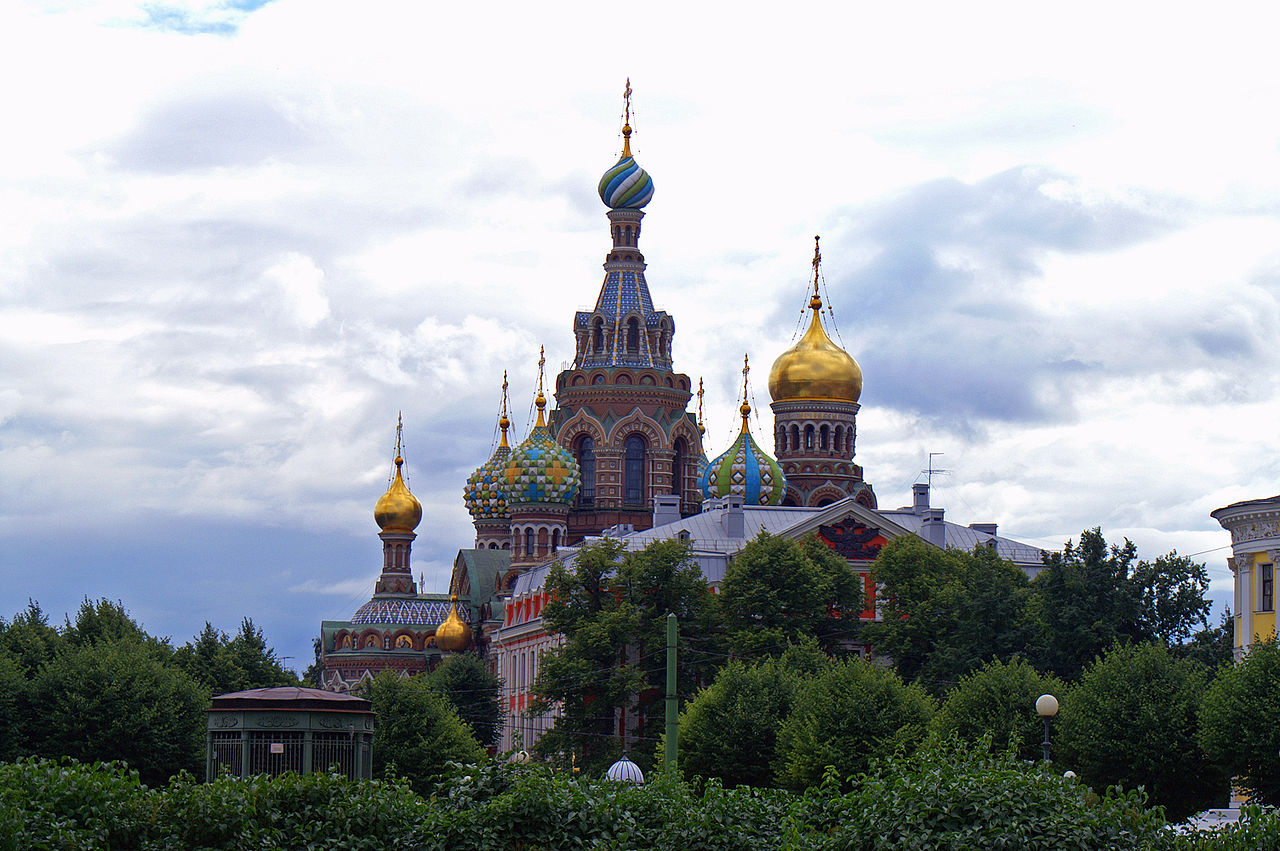
10 Images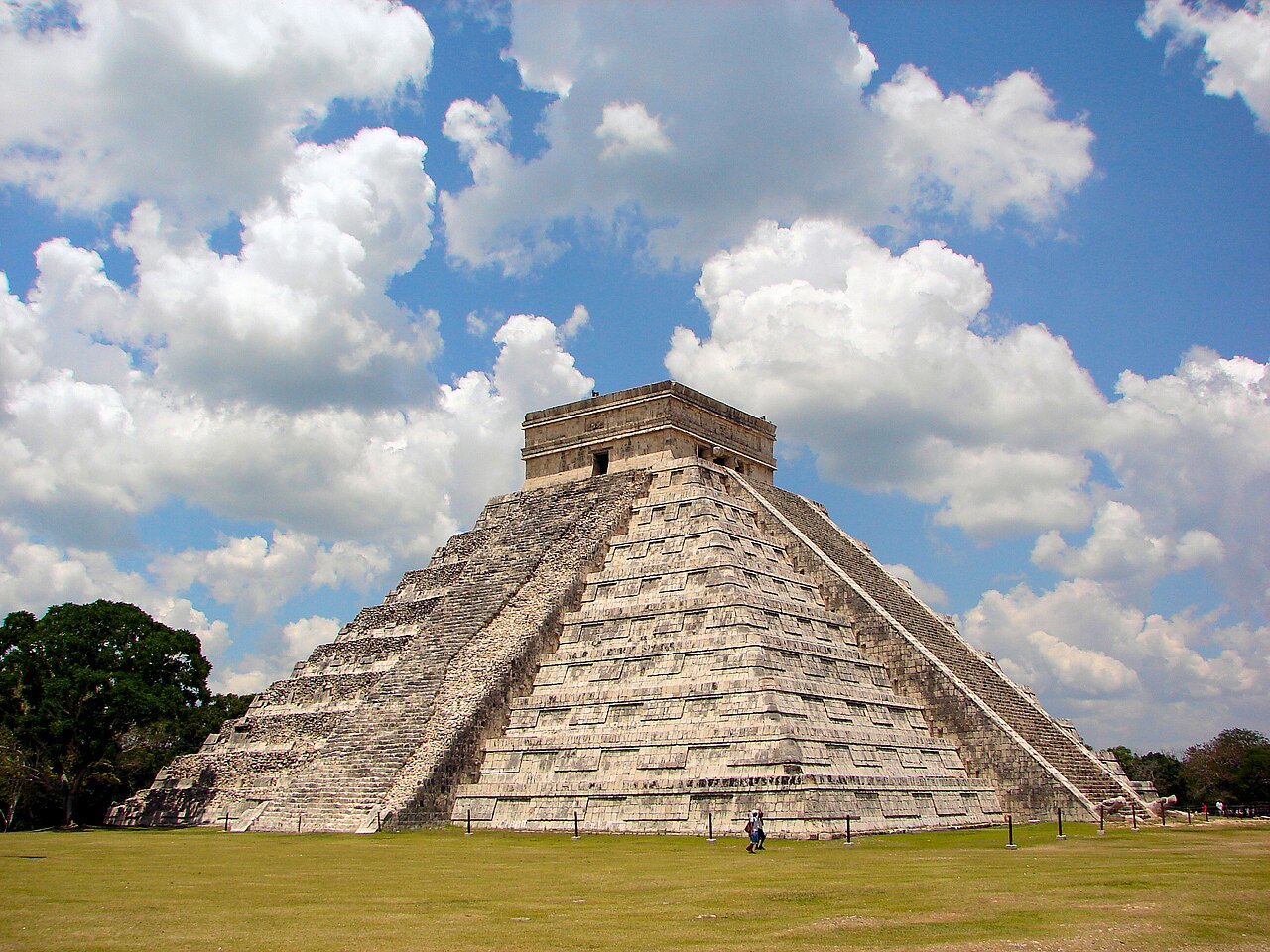




Selection, criteria and administration
Eligibility is determined by a committee drawn from the States Parties. The UNESCO World Heritage Committee evaluates nominations against a set of criteria that describe cultural or natural significance. Cultural criteria may emphasize architectural, historical or archaeological importance; natural criteria focus on outstanding geological, ecological or biological processes and biodiversity. A site may be inscribed as cultural, natural, or mixed when it meets requirements for both categories.
- Cultural examples: monuments, historic buildings and urban ensembles (e.g., monuments, buildings, cities).
- Natural examples: ecosystems and landforms such as forests, mountains, lakes and deserts.
History and development
The Convention came into force in the 1970s and established a growing global list of heritage places. Over decades the list expanded to include hundreds of properties spread across many countries; some nations host scores of sites because of long cultural histories or diverse landscapes—Italy is often cited as one with a high number of inscriptions. The list and its rules have evolved to address issues such as transboundary sites, maritime heritage and the involvement of local communities in conservation.
Protection, management and challenges
Inscription brings attention, potential funding and technical assistance but does not transfer sovereignty: each site remains under the jurisdiction of the State Party. Management typically involves national and local agencies working with international experts to prepare management plans, monitor condition and reduce threats. UNESCO can offer emergency support, and in certain cases place sites on the "List of World Heritage in Danger" to mobilize remedies.
Threats are varied: environmental change, urban development, neglect, armed conflict and deliberate destruction have all damaged inscribed places. Recent decades have seen examples of cultural property destroyed in war zones by non-state armed groups, including attacks by organizations such as ISIL, which prompted international condemnation and rebuilding initiatives.
Importance and notable facts
World Heritage designation raises public awareness and can promote sustainable tourism, education and local pride. It also stimulates debate about representation, conservation priorities and equity—questions about which types of heritage receive attention and how benefits are shared remain active topics among scholars, governments and civil society. For more background on the program and its procedures, consult primary sources and official guidance from UNESCO and national heritage agencies (cultural, international, administrative, legal, state, committee, forest, mountain, lake, desert, monument, building, city, country examples, threats).
Questions and answers
Q: What is a World Heritage Site?
A: A World Heritage Site is a place or thing that has been selected by UNESCO as being very important from a cultural or natural point of view.
Q: Who selects the sites?
A: The United Nations' organization UNESCO selects the sites.
Q: How many countries are involved in the selection process?
A: 21 countries are elected to the UNESCO World Heritage Committee, which sets the list of sites.
Q: What types of sites can be included on the list?
A: Sites can include forests, mountains, lakes, deserts, monuments, buildings, complexes and cities.
Q: Which country has the most World Heritage Sites?
A: Italy has 50 World Heritage Sites - more than any other country.
Q: Who owns each site?
A: Each site is part of the legal territory of the nation where it is located.
Q: What does UNESCO do to protect these sites?
A: UNESCO encourages everyone in the world to work together to protect each site and sometimes provides funds for this purpose.
Related articles
Author
AlegsaOnline.com World Heritage Site: definition, selection, protection and significance Leandro Alegsa
URL: https://en.alegsaonline.com/art/109091
Sources
- whc.unesco.org : "Convention Concerning the Protection of World Cultural and Natural Heritage"
- whc.unesco.org : "The World Heritage Committee"
- whc.unesco.org : States Parties
- whc.unesco.org : The World Heritage Convention
- whc.unesco.org : World Heritage List
- whc.unesco.org : Twenty-seven new sites inscribed
- whc.unesco.org : "Criteria for Selection"
- treaties.un.org : "UN Treaty No. 17512"