
Old Town (historic urban centre)
An Old Town is a city's historic core: a preserved or reconstructed district with distinctive streets, buildings and cultural significance often subject to conservation and special traffic rules.
Overview
An "Old Town" is the part of a city or town that represents its oldest continuously occupied area or a deliberately created historic quarter. It is typically recognized for surviving pre‑modern street plans, traditional architecture and concentrations of monuments. In many places the Old Town forms the nucleus around which newer urban fabric developed.
Image gallery
10 Images




Characteristics
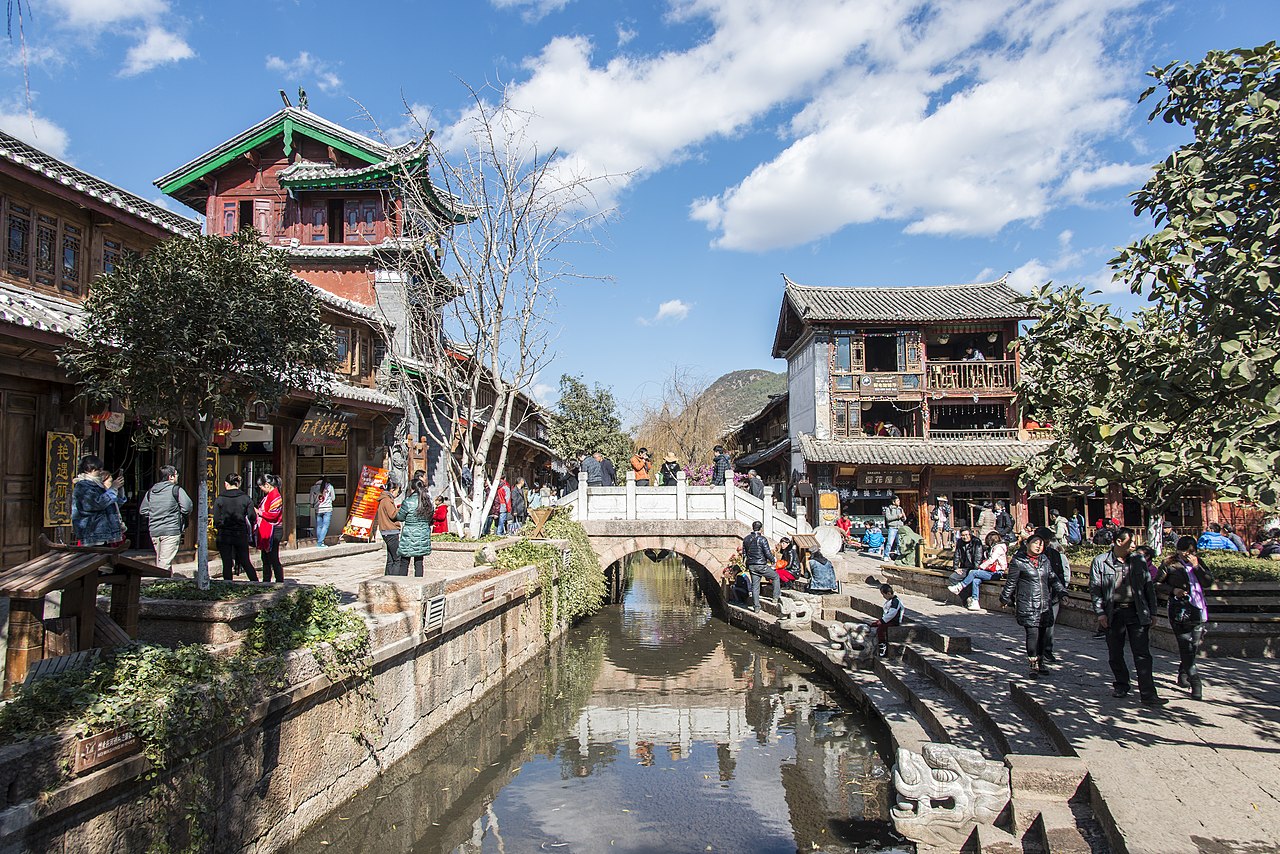
Typical features include narrow lanes, compact blocks, and buildings with historical styles or materials. Many Old Towns are valued for their architectural diversity and for specific elements such as cobblestone streets, covered balconies and arcaded facades, small public squares and prominent religious buildings like old churches. The term can denote either an authentic survival of earlier periods or an area reconstructed to evoke that preexisting character.
The designation of an Old Town often appears in planning and heritage documents where it is described as a historic centre or protected district. In parts of Europe many such districts date back to medieval town plans, with walls, gates and market streets still legible in the layout.
Uses and significance
Old Towns serve multiple roles: they preserve local identity, attract visitors, and provide settings for museums, small businesses and housing. Because their streets and structures were designed before the automobile era, they are often partially or wholly pedestrianized; restrictive vehicle access helps protect fragile fabric and improve the visitor experience but can create logistical challenges described by some as traffic traps.
Conservation policies, adaptive reuse and sensitive restoration are common approaches to maintaining these areas. While many Old Towns are genuine historical cores, others are careful reconstructions or themed developments intended to reproduce an historic atmosphere. Regardless of origin, they remain focal points for cultural heritage, urban studies and local economies.
- Typical elements: narrow streets, squares, churches, market façades.
- Common concerns: conservation vs. modernization, tourist pressure, mobility.
- Further reading: see local planning guidance and heritage registers (city resources).
Related articles
Author
AlegsaOnline.com Old Town (historic urban centre) Leandro Alegsa
URL: https://en.alegsaonline.com/art/72308