
Sacred site: meaning, types, history and social roles
A sacred site is a place granted religious or spiritual significance. This article explains what makes sites sacred, common types, historical development, their uses, and contemporary issues including protection and tourism.
Overview
A sacred site is any location perceived by a community or tradition as having spiritual, religious, or ritual importance. Such places may be venerated, protected, and visited for prayer, rites, healing, or remembrance. The sense that a place is special does not require written doctrine; it can arise from myth, historical events, the presence of relics, or longstanding custom. Different faiths and cultures attribute different kinds of meaning to their sites: see sacred and religion for general context.
Image gallery
10 Images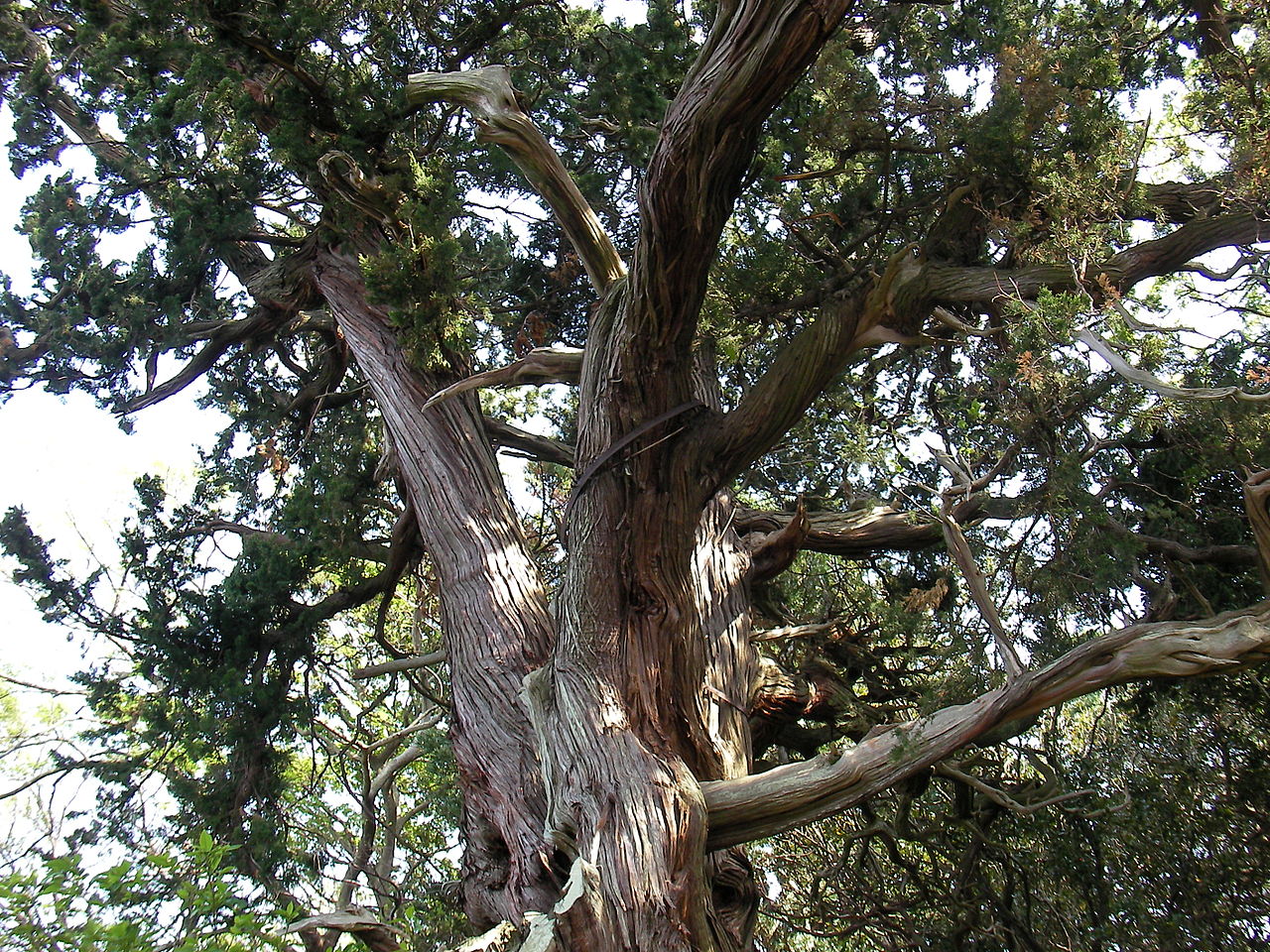


Common types and characteristics
Sacred sites vary widely but fall into a few recurring categories. Natural features such as mountains, springs, groves and rocks often become sacred because they are associated with creation stories, deities, or miraculous happenings. Examples include Uluru in Central Australia and revered groves or trees long held in India (sacred trees of India) and Japan (sacred trees of Japan). Built structures—temples, churches, mosques, and shrines—may be erected on previously sacred natural spots or at places linked to holy persons or events.
- Places associated with events or teachings: for example, Jewish and Christian traditions regard Mount Sinai as sacred because of the story of Moses receiving the Ten Commandments from God.
- Relics and tombs: the burial or relics of a revered person can sanctify a place—the Church of the Holy Sepulchre is central for many Christians because of traditions linking it to Jesus and his tomb.
- Pilgrimage cities and birthplaces: entire cities can be sacred, for example Mecca is sacred in Islam partly because it is associated with the life of Muhammad.
- Healing springs and wells: springs often attract ritual attention and may be enclosed or marked by a shrine (spring examples).
Functions and religious value
Sacred sites serve multiple social and spiritual functions: they are focal points for pilgrimage, rites of passage, community festivals, and personal devotion. Certain religions place particularly strong emphasis on pilgrimage and place: for example, Islam and Hinduism include practices in which visiting specified sites is a major religious duty or merit-building activity. Other traditions, such as many forms of Protestant Christianity, may emphasize scripture and personal faith over veneration of particular places, so the same site can have very different roles across faiths.
History and cultural development
The sacralization of places is ancient. In many societies, natural landmarks acquired special status long before formal religions existed; these places later became incorporated into temple architecture or urban planning. Over time sacred landscapes can be layered: older religious meanings persist under or beside newer ones, leading to syncretic practices. Pilgrimage routes, protective rituals, and narratives that explain a site's significance help transmit value across generations.
Management, contestation and contemporary issues
Sacred sites today face competing pressures. They are cultural heritage and must be managed for conservation, accessibility, and safety, but tourism, urbanization, and political disputes can threaten their integrity. Some sites are contested because different groups claim ownership or different meanings for the same place. Legal frameworks, community stewardship, and international conventions often play roles in protecting sites while balancing religious access and public interest.
Notable distinctions and concluding remarks
Not all sacred sites are equally prominent: some are globally recognized pilgrimage centers, others remain meaningful only to local communities. The status of a site may change over time—becoming more or less central to identity and practice. Understanding sacred sites requires attending both to the tangible features of a place and to the stories, rituals, and social relations that give it meaning.
Questions and answers
Q: What is a sacred site?
A: A sacred site is a place that is thought of as holy or special to a particular religion.
Q: Are sacred sites important in all religions?
A: No, some religions such as Islam and Hinduism view the sacred sites as being very important to their faith, while other religions such as Protestant Christianity do not consider them so important.
Q: How are places made into sacred sites?
A: Places can become sacred sites due to something that has happened at the location, or because of religious stories associated with it. They can also be natural sites which have been considered holy for thousands of years by certain cultures, or buildings may be constructed around natural features like springs believed to have healing powers. Additionally, some places may be considered sacred due to the presence of a holy person or saint who lived there or died there, or whose body is kept there.
Q: Can you give an example of a famous natural site that is also a sacred site?
A: Uluru (also known as Ayre's Rock) in Central Australia is one of the most famous natural sites that is also considered to be a sacred site by many people. It has been thought of as holy for about 40,000 years by aboriginal people. Other examples include the trees in India, Japan and South East Asia which are also considered to be spiritually significant locations.
Q: Is Mount Sinai a sacred site?
A: Yes, Mount Sinai is considered to be a very important and special place for both Jews and Christians since it was on this mountain that Moses received the Ten Commandments from God according to religious texts.
Q: What makes The Church of the Holy Sepulchre in Jerusalem so significant?
A: The Church of the Holy Sepulchre in Jerusalem holds great significance for Christians since it is believed that Jesus' body was placed in this tomb after his death and resurrection according to Christian tradition.
Q: Why does Mecca hold spiritual importance for Muslims?
A:Mecca holds spiritual importance for all Muslims because it marks the birthplace of their prophet Muhammad according to Islamic teachings and beliefs
Related articles
Author
AlegsaOnline.com Sacred site: meaning, types, history and social roles Leandro Alegsa
URL: https://en.alegsaonline.com/art/85163