
Odoacer — King of Italy and the end of the Western Roman Empire
Germanic-born military leader who deposed the last Western Roman emperor in 476 and ruled Italy until his death in 493; his reign marks the transition from late Antiquity to the early Middle Ages.
Overview
Odoacer was a leading military figure of Germanic background who became the first non‑Roman ruler to hold effective power in Italy after the collapse of the Western Roman imperial administration. A former soldier in the service of the Western Roman Empire, he deposed the final puppet emperor, Romulus Augustulus, in 476 and thereafter governed as king of Italy. That transfer of power is often cited as a major milestone — the conventional end of Antiquity and the start of the Middle Ages — an interpretation linked to the events surrounding 476.
Image gallery
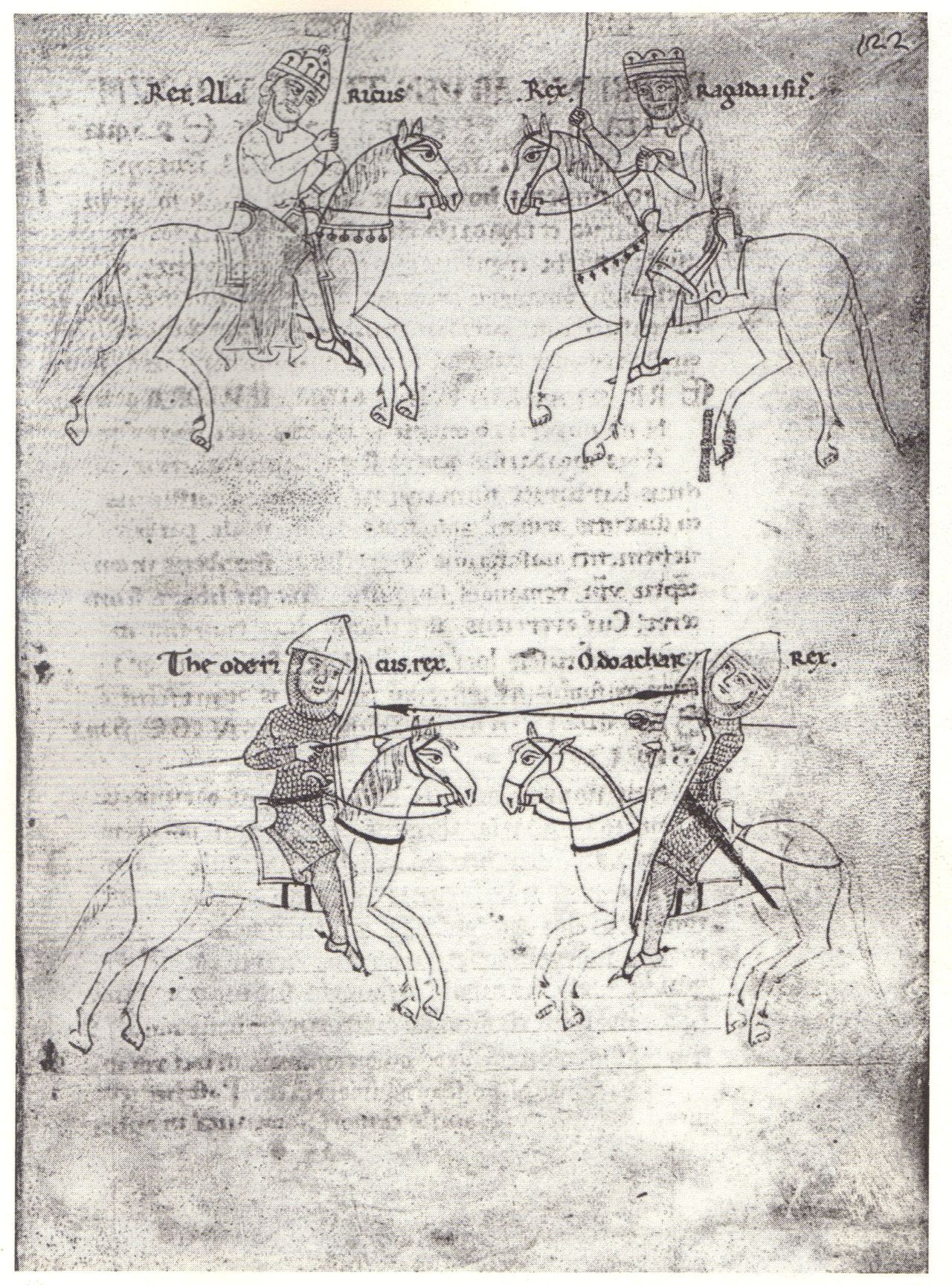
6 Images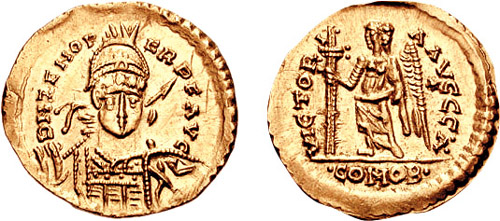



Background and rise to power
Born around 431, Odoacer is generally described as of mixed Germanic ethnicity, probably connected to groups settled within the empire as foederati. Rising through the ranks, he commanded mercenary troops and Italian foederati during the chaotic 460s–470s. When the central authority in Ravenna could no longer pay or control these forces, Odoacer and his supporters removed the adolescent emperor in 476 rather than seek a new imperial claimant. Instead of crowning himself emperor, Odoacer sent the imperial regalia to Constantinople and accepted formal recognition from the Eastern court while claiming the title of king.
Rule and administration
Odoacer retained much of the Roman administrative system: he ruled from Ravenna and depended on Roman tax structures, senatorial administration, and existing legal institutions to govern a multiethnic kingdom. His regime tried to integrate Germanic soldiers with Roman landholders and clergy, distributing land to veterans and maintaining urban life. Key features of his reign included:
- Negotiated coexistence with the Eastern emperor rather than outright independence.
- Preservation of Roman civil servants and legal practice to stabilize the country.
- Military reliance on foederati and efforts to balance competing Gothic and other tribal interests within Italy.
Downfall and legacy
Rising tensions with the Ostrogoths culminated when Theodoric was commissioned by the Eastern emperor to remove Odoacer. After a lengthy campaign, Theodoric captured Ravenna and Odoacer was killed in 493, reportedly during negotiations or shortly after a banquet—some sources give a probable date—and list Ravenna as the place of his death. His opponent, Theodoric the Great, established the Ostrogothic kingdom that would continue many Roman institutions while ruling in his own name.
Historians regard Odoacer as a transitional figure: not simply a destroyer of Rome, but a ruler who preserved Roman administration while inaugurating a new era dominated by Germanic kings. His life and reign illustrate how late Roman institutions adapted to, and were reshaped by, new powers in the post‑imperial West.
Related articles
Author
AlegsaOnline.com Odoacer — King of Italy and the end of the Western Roman Empire Leandro Alegsa
URL: https://en.alegsaonline.com/art/71976