
Ofra Haza — Israeli singer and cultural icon
Ofra Haza (1957–2000) was an Israeli vocalist who blended traditional Yemenite songs with contemporary pop, achieving national fame and international crossover success while influencing world music.
Overview
Bat-Sheva Ofra Haza-Ashkenazi, known professionally as Ofra Haza (עפרה חזה), was an Israeli singer and performer born in 1957 in Tel Aviv. She became one of Israel's best-known artists by combining elements of traditional Jewish and Middle Eastern music with modern popular production. Haza's work reached audiences beyond Israel and helped introduce Yemenite melodies and Hebrew vocal styles to international listeners.
Image gallery
8 Images

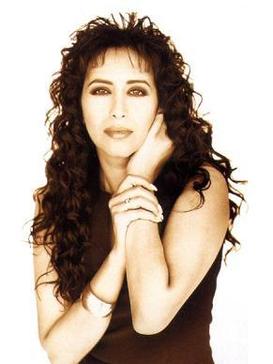


Early life and rise to fame
Raised in the Hatikva Quarter of Tel Aviv by parents of Yemeni Jewish descent, Haza began singing at an early age in local choirs and community performances. She emerged into the mainstream Israeli music scene as a pop artist (singer, pop) and gradually incorporated traditional Hebrew and Yemenite material into her repertoire, attracting attention for the clarity and emotional intensity of her voice.
Musical style and career
Haza's signature approach fused ancient modes, prayer-like vocal inflections and rhythms with electronic and pop arrangements. This blend gave rise to several popular recordings that featured both a modern production aesthetic and acoustic textures drawn from Middle Eastern instruments and chants. She sang in multiple languages and performed material ranging from intimate folk settings to large staged productions.
International recognition and notable works
In the 1980s and 1990s Haza attained wider fame outside Israel. One of her best-known recordings, a Yemenite traditional song rendered with contemporary production, found international airplay and club remixes that introduced her to new audiences. She also represented Israel on prominent stages and took part in international collaborations, contributing to the global interest in what later came to be called "world music." Notable songs that are widely associated with her include traditional Yemenite pieces and contemporary hits that showcase her vocal range and cross-cultural appeal.
Death and legacy
Ofra Haza died in February 2000 in Ramat Gan at the age of 42 from complications related to AIDS. Her burial took place at the Yarkon Cemetery in Petah Tikva. Her death prompted public discussion in Israel about illness, privacy and stigma, and it led many to reassess her contributions to music and culture. Haza is remembered for bridging cultural traditions, influencing later generations of singers, and raising international awareness of Israeli and Yemenite music.
Selected songs and impact
- Traditional Yemenite and Hebrew songs reinterpreted for modern audiences
- Contemporary pop recordings that reached international listeners
- Live performances and collaborations that broadened the exposure of Middle Eastern vocal traditions
Today Ofra Haza's recordings and the recordings of artists she influenced remain reference points for performers exploring the intersection of folk traditions and contemporary popular music. Her voice, repertoire choices and cross-cultural collaborations continue to be cited in discussions of Israeli cultural history and world music developments.
Questions and answers
Q: Who was Ofra Haza?
A: Ofra Haza was an Israeli pop singer.
Q: When and where was she born?
A: She was born in Tel Aviv on 19 November 1957.
Q: What is her full name?
A: Her full name is Bat-Sheva Ofra Haza-Ashkenazi.
Q: How did she die?
A: She died of AIDS.
Q: Where is she buried?
A: She is buried in the Yarkon Cemetery in Petah Tikva.
Q: When did she pass away?
A: She passed away on 23 February 2000.
Q: Where did she die ? A: She died in Ramat Gan.
Related articles
Author
AlegsaOnline.com Ofra Haza — Israeli singer and cultural icon Leandro Alegsa
URL: https://en.alegsaonline.com/art/72066