
Ogyū Sorai: Tokugawa Confucian Thinker and Reformer
Ogyū Sorai (1666–1728) was a leading Tokugawa-era Confucian scholar who argued for a return to classical texts, emphasized language and ritual, and challenged Neo-Confucian moralism.
Ogyū Sorai (荻生 徂徠, 1666–1728) was a prominent intellectual of Japan's Tokugawa period who wrote on politics, ethics, and philology under the pen name Butsu Sorai. Born and based in Edo, he became one of the most influential interpreters of Confucian thought in early modern Japan, offering alternatives to the dominant Neo-Confucian orthodoxy of his time. His work addressed how classical Chinese learning could be applied to practical government and social order.
Image gallery
2 Images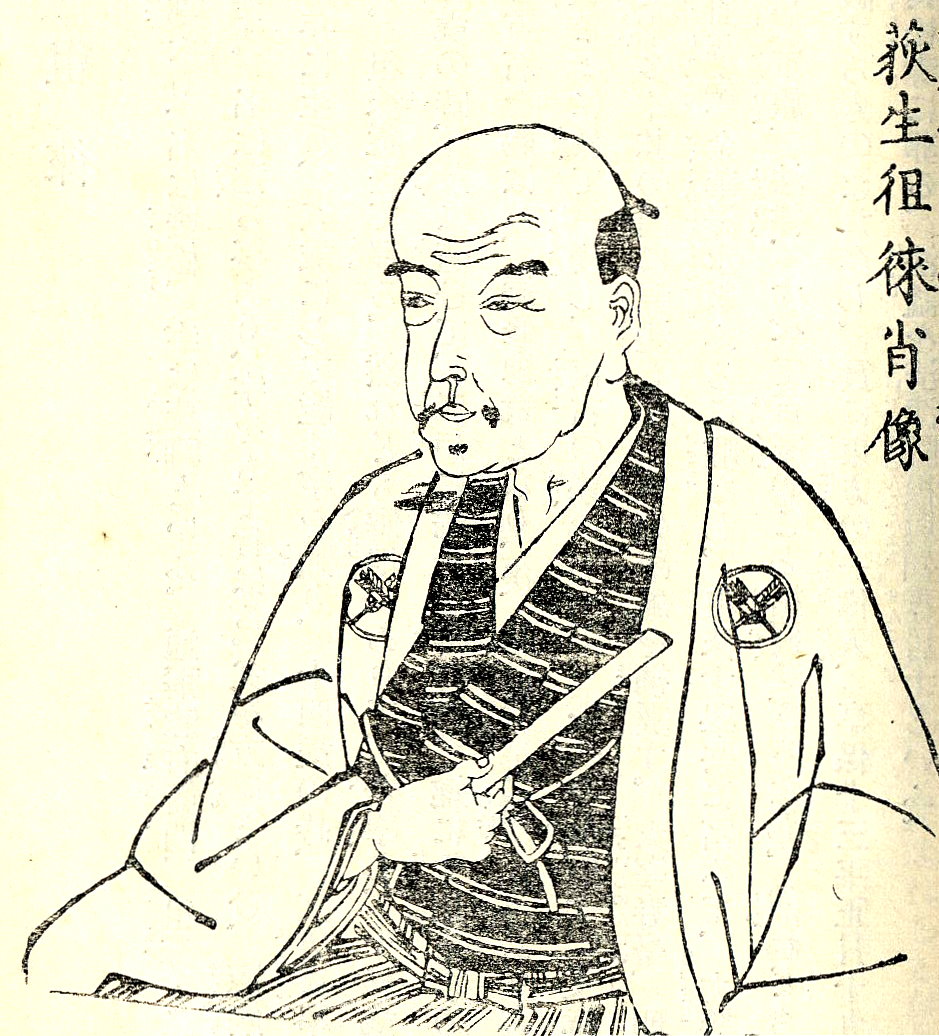

Historical and cultural context
Sorai developed his ideas within the institutional framework of Tokugawa Japan, a centralized feudal regime grappling with fiscal strain, social change, and debates about the proper role of rulers and retainers. Contemporary commentators often refer to Japanese naming practices to situate individuals in documents; for example, the way a Japanese personal name is recorded reflects family and social status, and in Sorai's case the family name Ogyū identifies his lineage. He lived and worked in Edo, and his thought responded to conditions in Japan where economic policies, including merchant regulations and proto-mercantilist measures, were producing uneven effects.
Philosophy and method
Sorai rejected the moralizing metaphysics associated with Song dynasty Neo-Confucianism and its interpreters. Instead of prioritizing abstract moral principles, he argued for careful study of ancient texts, language, and rites. He asserted that the teachings of Confucius and earlier sages should be read historically and philologically so that their prescriptions for ritual and governance could be restored. Sorai placed special emphasis on the social functions of speech, law, and ceremony, and defended the idea that the proper expression of human feelings and passions must be situated within institutional forms rather than suppressed by inward moralization. In short, he valued the role of concrete institutions and norms over individual moral introspection.
- Return to classics: priority given to early Chinese sources and textual study (Chinese literature).
- Philology and rhetoric: language matters for correct interpretation and governance.
- Institutional emphasis: law, ritual, and office-holders sustain order more than moral exhortation.
- Practical politics: Confucian learning should inform statecraft and social arrangements (government, society).
Works, school, and influence
Sorai produced a substantial corpus of essays and treatises that combined close readings of classical texts with commentary on contemporary policy. He gathered a circle of students and disciples who developed what became known as the Sorai school, which challenged prevailing academic fashions and influenced later generations of scholars and bureaucrats. His critics accused him of downplaying moral cultivation, while supporters praised his clarity and grounding in historical sources. Debates sparked by his positions contributed to a lively intellectual culture in Tokugawa Japan.
Legacy and notable facts
While modern scholars continue to debate Sorai's precise impact, his insistence on philology and attention to institutions left a durable mark on Japanese intellectual history. He is remembered both for criticizing the ascendant Neo-Confucian synthesis and for proposing a pragmatic way to connect classical learning to the administration of the state. His name and work are often discussed in studies of Tokugawa thought and the modernization of mercantile and governmental practices. For readers seeking introductions or primary materials, several modern commentaries place Sorai in the wider trajectory of East Asian Confucian debates and the practical problems of early modern governance (Confucian studies resources provide context).
Further reading and source materials can be located through academic surveys and collections that examine Sorai's use of classical sources, his methodological innovations, and the controversies his views engendered. For more on naming conventions and textual issues relevant to Sorai's milieu, see specialized treatments of Japanese social practice and Edo-period Edo-era records. Additional background is available in reference works addressing Japan's intellectual history and the role of Confucius in East Asian statecraft.
Notes: this article mentions the practice of family names and pen names to clarify how figures such as Ogyū Sorai are identified in historical sources; the family name appears as Ogyū, and the scholarly context often records the pen name Butsu Sorai alongside labels used in later bibliographies and commentaries (literary and archival studies remain useful starting points for deeper inquiry).
Related topics for exploration include the history of Tokugawa governance, debates between Song Neo-Confucianism and classicalist approaches, and the role of ritual and language in political legitimacy. Readers can follow specialized links and bibliographies to trace how Sorai's legacy has been interpreted across different periods and disciplines (naming and documentary practice, institutional history, and the history of ideas are all relevant).
Questions and answers
Q: Who was Ogyū Sorai?
A: Ogyū Sorai was a Japanese philosopher who used the pen name Butsu Sorai in many of his writings. He has been described as the most influential Confucian scholar during the Tokugawa period.
Q: What did he study?
A: He studied how Confucius' teachings could be used in government, and how they could influence the order of society as a whole.
Q: What economic model was being used at the time?
A: The economic model of mercantilism was being used at the time, but it was not successful.
Q: What did Sorai reject?
A: Sorai rejected the moral ways of Song Confucianism and looked at older works instead.
Q: Why did he try to strengthen Chinese literature in Japan?
A: He tried to strengthen Chinese literature in Japan because he believed that allowing human emotions to express themselves was important.
Q: How did Sorai's teachings become influential? A: His teachings created the Sorai school, which became an influential force in Japanese Confucian scholarship.
Related articles
Author
AlegsaOnline.com Ogyū Sorai: Tokugawa Confucian Thinker and Reformer Leandro Alegsa
URL: https://en.alegsaonline.com/art/72104