
Ogden R. Reid — U.S. diplomat and congressman
Biography of Ogden R. Reid (1925–2019), U.S. Ambassador to Israel and member of the House from New York, known for his moderate-to-liberal Republican stance and 1972 switch to the Democratic Party.
Overview
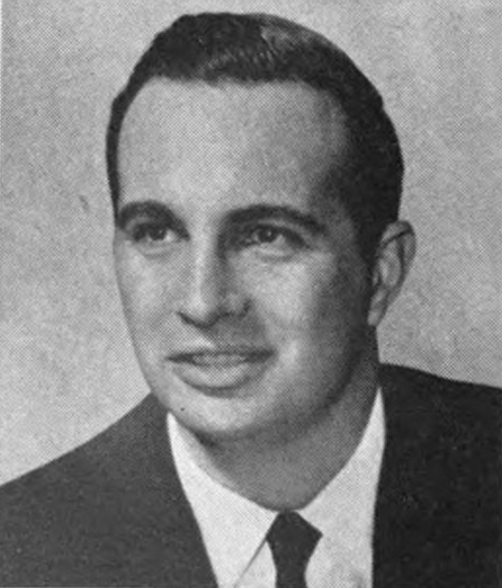
Ogden Rogers Reid (June 24, 1925 – March 2, 2019) was an American public servant who represented parts of New York in the United States House of Representatives from 1963 to 1975 and served earlier as United States Ambassador to Israel from 1959 to 1961. He is often remembered as a member of the moderate-to-liberal wing of the Republican Party who publicly shifted his affiliation in the 1970s.
Image gallery
3 Images

Early life and education
Reid was born in New York City and educated at Deerfield Academy before attending Yale University. He came from a family with deep roots in northeastern business and civic life and entered public service after experiences in private life that brought him to national attention.
Diplomatic service
In 1959 Reid was appointed United States Ambassador to Israel, serving until 1961 during the administration of President Dwight D. Eisenhower. His tenure coincided with a period of close but complex U.S.–Middle East relations; ambassadors at that time were expected to balance strategic and political concerns as the Cold War influenced regional alignments.
Congressional career and party change
Reid won election to Congress in 1962 as a Republican and served six terms beginning in January 1963. Widely described as on the liberal fringe of the GOP, he took positions that often put him at odds with more conservative members and prompted primary challenges. On March 22, 1972, he announced he was switching to the Democratic Party, saying he could not support Richard Nixon for re-election and that the Republican Party had "moved to the right" and was "not showing the compassion and sensitivity to meet the problems of the average American." He successfully defended his seat against a Republican opponent later that year.
Key offices and timeline
- United States Ambassador to Israel: July 2, 1959 – January 19, 1961
- Member of the U.S. House of Representatives (New York): January 3, 1963 – January 3, 1975
- Party affiliation: Republican until 1972; afterward a Democrat
Later life and legacy
Reid declined to seek re-election in 1974 and briefly entered the 1974 campaign for Governor of New York before withdrawing. In subsequent years he lived away from elective office and was remembered for his willingness to break with his party on matters of principle. Reid died at his home in Waccabuc, New York, on March 2, 2019, at the age of 93.
Notable aspects
- Reid's career illustrates the mid-20th-century presence of liberal Republicans in national politics and the tensions that led some to change affiliation.
- As an ambassador and congressman, he participated in debates about U.S. foreign policy and domestic social issues that defined his era.
- His public explanation for switching parties provides a clear example of how ideological shifts within major parties can affect individual lawmakers.
For further reading on Reid's public service and the political currents of his time, consult contemporary archives and biographical collections that document mid-century American diplomatic and legislative history. Republican profile materials and later congressional records can provide additional primary-source detail.
Birthplace and education records, as well as recollections from colleagues, help place Reid's public positions in the social and political context of the 1950s through the 1970s.
Related articles
Author
AlegsaOnline.com Ogden R. Reid — U.S. diplomat and congressman Leandro Alegsa
URL: https://en.alegsaonline.com/art/72079
Sources
- fultonhistory.com : "Boyden, Deerfield Headmaster 66 Years, Will Retire in June"
- nytimes.com : "Ogden R. Reid, Herald Tribune Editor and Congressman, Dies at 93"