
Ocean liner: design, history, and distinction from cruise ships
Large, oceangoing ships built for scheduled long-distance transport of passengers and mail; vital from 19th century through mid-20th, now largely supplanted by air travel but still influential in maritime history.
Overview
An ocean liner is a large vessel built to carry passengers, mail and sometimes cargo on regular, scheduled routes across open ocean. Unlike short-distance vessels such as ferries, which serve short crossings of channels, lakes and nearby islands, an ocean liner is engineered to undertake long voyages between continents and to maintain schedules in varied weather and sea conditions. Historically these ships combined transportation, speed and seagoing reliability in a single design.
Image gallery
10 Images





Design and defining characteristics
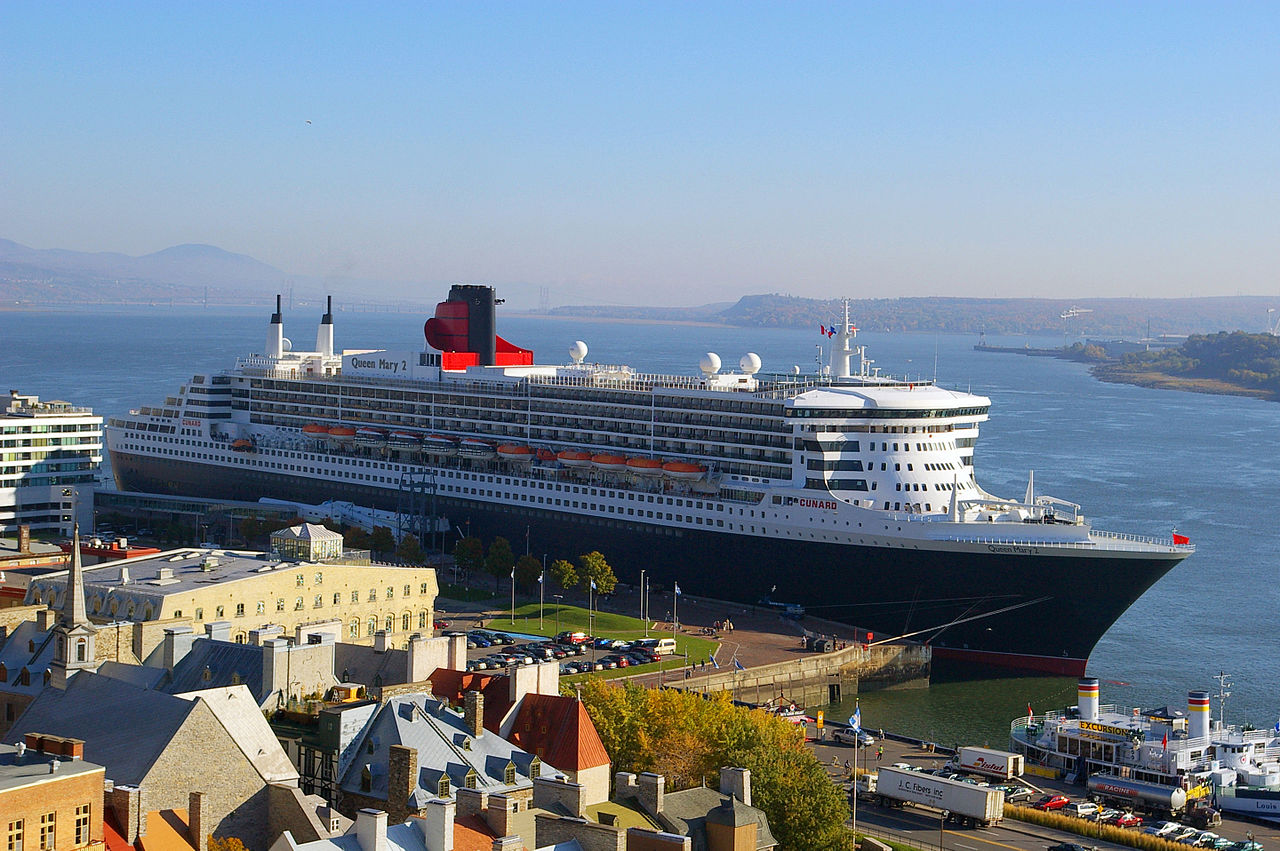
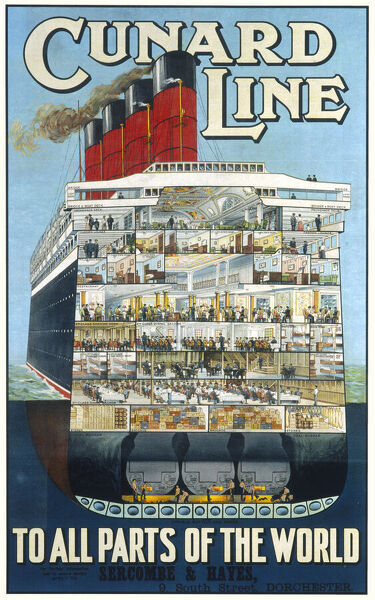
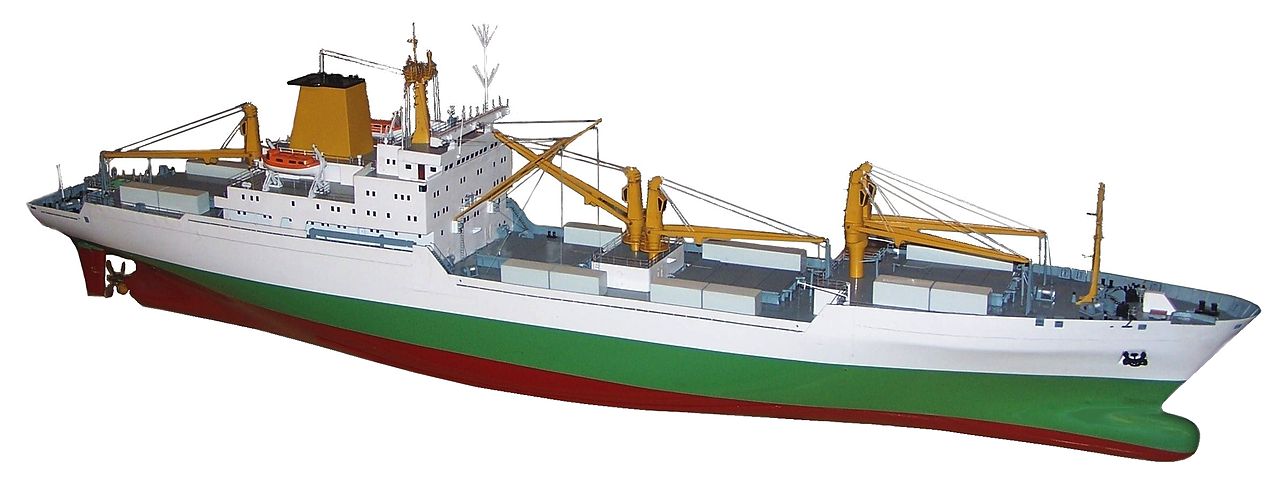
Ocean liners are distinguished by hull lines, structural strength and systems intended for sustained ocean service. Typical characteristics include a flared bow and deep draught for better handling in heavy seas, powerful engines for higher sustained speeds, and watertight compartmentation for safety. Interiors were arranged to serve different passenger classes and long periods at sea: cabins, dining saloons, and public rooms were designed with endurance rather than purely leisure in mind. Many liners also carried mail contracts and refrigerated or general cargo holds, so they were a hybrid of passenger and merchant functions.
History and development
The development of ocean liners grew with transoceanic trade and migration from the 19th century onward. Shipping lines competed on speed, comfort and reliability on major routes such as the North Atlantic. The early 20th century is often called the golden age of the liner, when companies invested in ever larger and faster ships. Famous companies and famous ships symbolized national pride and technological progress. During global conflicts such as World War II, many liners were requisitioned as troop transports, hospital ships or depot vessels because of their size and speed; after hostilities they were frequently returned or repurposed.
Uses, examples and later decline
For decades ocean liners served as the primary means of intercontinental passenger travel and migrant transport, especially on the transatlantic route to the United States. They also carried mail and important cargo. Iconic ships from that era remain widely known and studied. With the rise of high-speed aircraft in the mid-20th century — including early jet airliners like the De Havilland Comet and the Boeing 707 — transoceanic air travel became faster and often cheaper. This shift, especially from the 1950s onward, produced a steady decline in regular liner services. By the late 20th century most traditional liners had been retired, converted to cruise service, or preserved as museum ships.
Distinctions and modern legacy
Ocean liners should be distinguished from other passenger vessels by purpose and capability. Key distinctions include:
- Purpose: scheduled long-distance transport versus the leisure-focused itineraries of cruise ships.
- Design: hull and systems built for open-ocean endurance compared with the shallower draught and wider, stabilized forms of many modern cruise vessels.
- Service pattern: transoceanic routes with point-to-point crossings rather than circular holiday voyages or short hop services across a channel, a lake or between an island and nearby coast.
Notable facts and surviving examples
Several historical themes remain important to the story of ocean liners: national competition for speed (the Blue Riband on the Atlantic), the role of liners in migration and commerce, and their wartime service. A few modern vessels were designed and built as true liners rather than cruise ships; they retain higher freeboard and reinforced hulls suited to open-ocean crossings. Museums and preserved ships help keep the technology and social history of liners visible to the public. For further reading on maritime history and major liner companies, see specialized sources and archives.
For general context about merchant and passenger ships, shipping routes and historical periods associated with liner operation, consult resources on ocean transport and 19th–20th century maritime history: merchant and passenger ships, broader timelines of the 20th century, and technical summaries of ship classes.
Related articles
Author
AlegsaOnline.com Ocean liner: design, history, and distinction from cruise ships Leandro Alegsa
URL: https://en.alegsaonline.com/art/71842