
Cruise ship: design, history, onboard life and types
Comprehensive overview of cruise ships: what they are, how they are built and run, onboard facilities, types and sizes, history and modern uses, and distinctions from other passenger vessels.
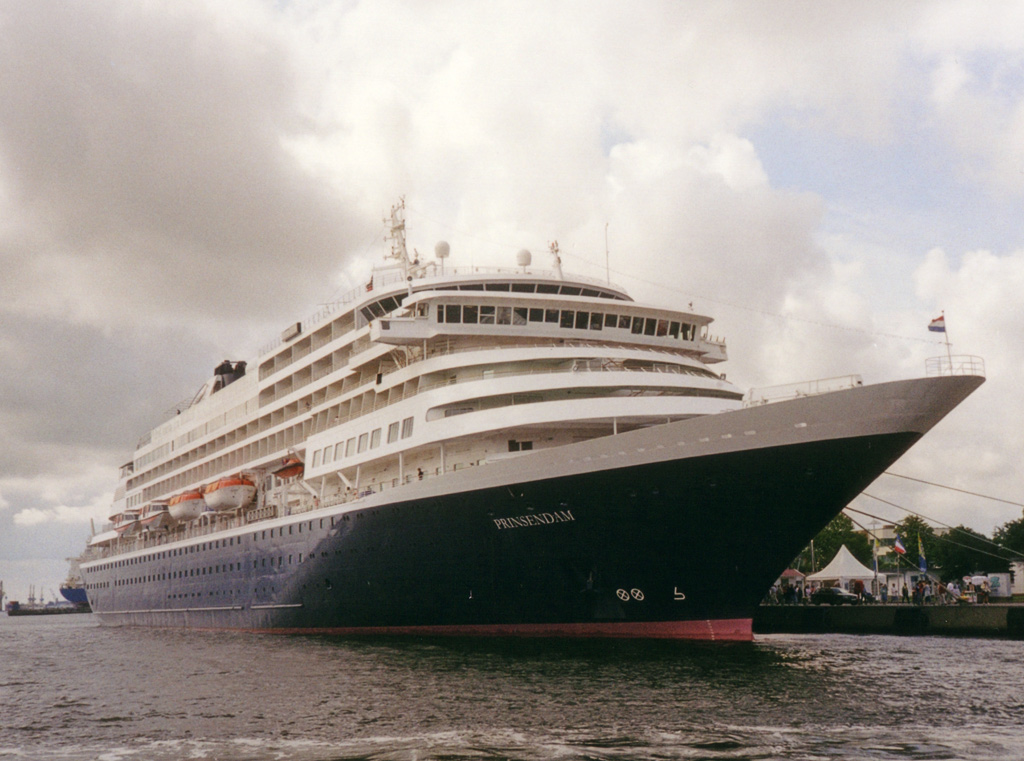
A cruise ship is a large passenger vessel designed primarily for leisure voyages, where the ship itself and its onboard amenities are a central part of the holiday experience. Unlike ferries or simple transport ships, cruise ships combine sleeping accommodations with entertainment, dining and recreational facilities so that the voyage is a principal component of the trip rather than just a way to get from point A to point B. For a concise definition see basic description.
Image gallery
10 Images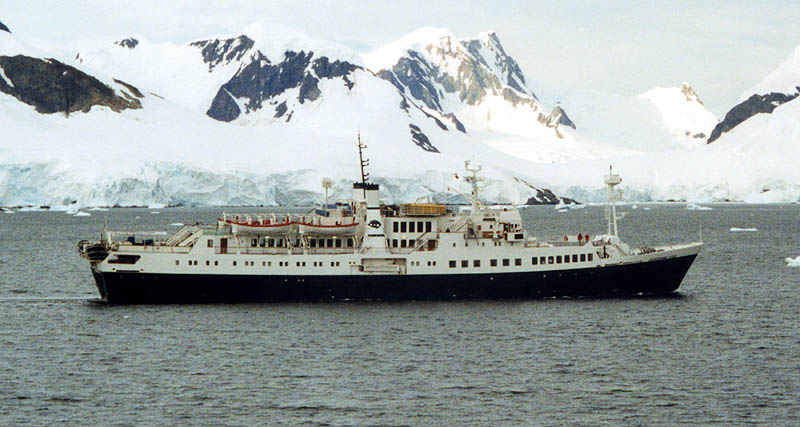


Design and main characteristics
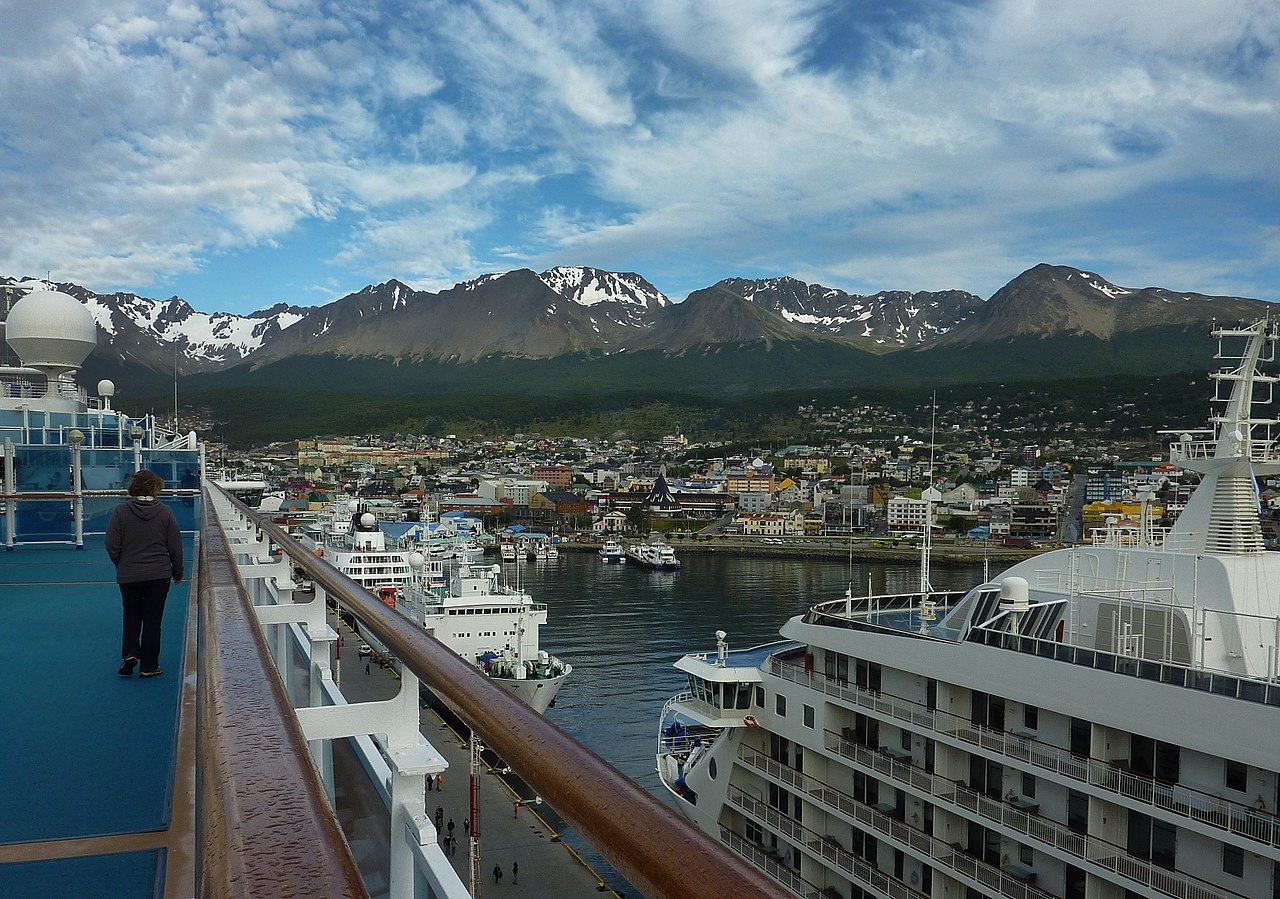
Modern cruise ships are effectively floating resorts. They are built with multiple decks of cabins, public spaces, and service areas. Typical elements include pools and spas, multiple restaurants and bars, theaters, casinos, shopping arcades and sports facilities. The quality and variety of these services vary by ship and operator; luxury vessels emphasize individualized service and high staff-to-guest ratios, while mainstream ships focus on mass-market entertainment and family amenities. For industry standards and hospitality models consult hospitality resources and voyage planning.
- Accommodation: cabins range from small interior rooms to multi-room suites with balconies and butler service.
- Public amenities: restaurants, theaters, pools, child care, fitness centers and medical facilities.
- Operational crew: bridge and engineering staff who operate the ship, and hotel staff who run food service and guest services.
Facilities, services and guest experience
Onboard services are organized to cover both safety and guest comfort. A ship’s crew handles navigation, maintenance and safety systems, while a hospitality team manages food and beverage, housekeeping and entertainment. Many ships now include specialty dining venues, water parks, conference rooms, and wellness centers. To explore examples of onboard offerings see floating hotel models and typical hospitality roles. Information about dining and guest services is often listed under food and beverage and passenger services.
Types, size and routes
Cruise vessels range from small expedition ships that visit remote coasts to mega-ships that carry several thousand passengers. Some important distinctions:
- Expedition cruise ships: smaller, reinforced hulls for polar or remote regions (useful for destinations like Antarctica).
- Ocean liners vs cruise ships: ocean liners are built for point-to-point transoceanic service and stronger seakeeping; many modern cruises are leisure-oriented.
- Residential cruise vessels: a niche category where people occupy permanent residences on board, such as long-term liveaboards.
See operational examples and route planning at itineraries and passenger capacity discussions at ship size.
History and development
The concept of transporting paying passengers by sea dates back centuries, but the cruise industry as known today evolved in the 20th century from transatlantic liners and leisure voyages. Technological advances in shipbuilding, propulsion and onboard systems expanded what ships could offer, turning them into multi-purpose leisure platforms. For historical context and milestones consult sources on maritime history and the evolution of passenger shipping.
Uses, significance and notable facts
Cruises serve many purposes: short coastal or river holidays, long international voyages, seasonal repositioning trips, themed cruises and expedition travel to fragile or remote environments. They are economically important to ports and tourism industries but also raise concerns about environmental impact, waste management and local overtourism. Operators respond with regulations and greener technologies; for environmental practices and industry guidance see regulatory frameworks and sustainability efforts. For practical advice on booking, safety and passenger rights consult travel resources at consumer information.
Related articles
Author
AlegsaOnline.com Cruise ship: design, history, onboard life and types Leandro Alegsa
URL: https://en.alegsaonline.com/art/24416