
Oil tanker: design, types, history, operations and environmental impact
An oil tanker is a merchant ship built to carry liquid petroleum in bulk. This article explains types, construction features, operations, historical development and environmental considerations.
An oil tanker is a merchant vessel expressly designed to transport large volumes of liquid petroleum and related products. Tankers range from small coastal ships to the largest commercial vessels in the world and are divided broadly into crude tankers, which move unrefined oil from producing regions to refineries, and product tankers, which carry refined fuels and petrochemicals to distribution points.
Image gallery
10 Images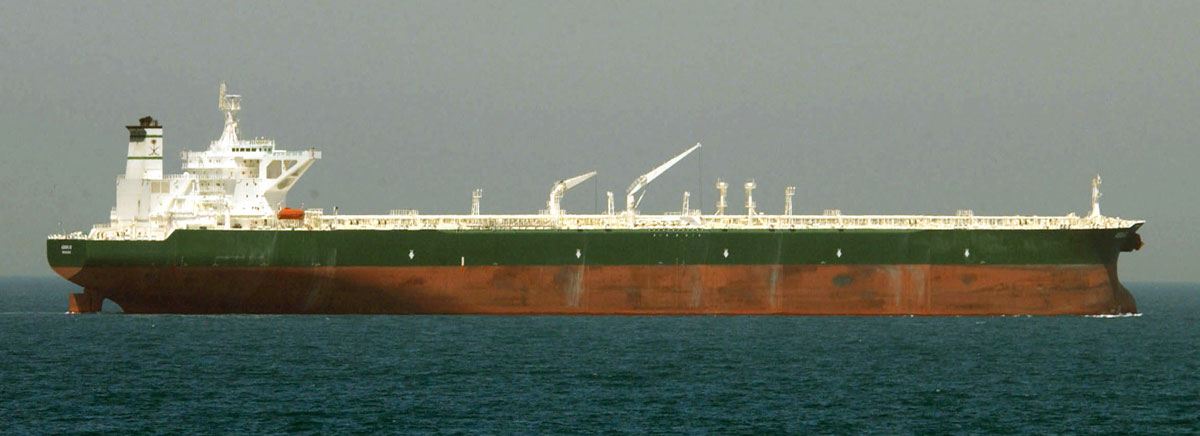






Characteristics and main parts
Modern oil tankers combine structural strength with systems to load, carry and discharge cargo safely. Key elements include:
- Cargo tanks – subdivided tanks with coatings or corrosion-resistant linings.
- Pumping and piping – networks and pumps that transfer oil on and off the ship.
- Ballast tanks – used for stability when the ship is not fully laden.
- Safety systems – such as inert gas systems to reduce fire risk and multiple valves to prevent spills.
Types and size categories
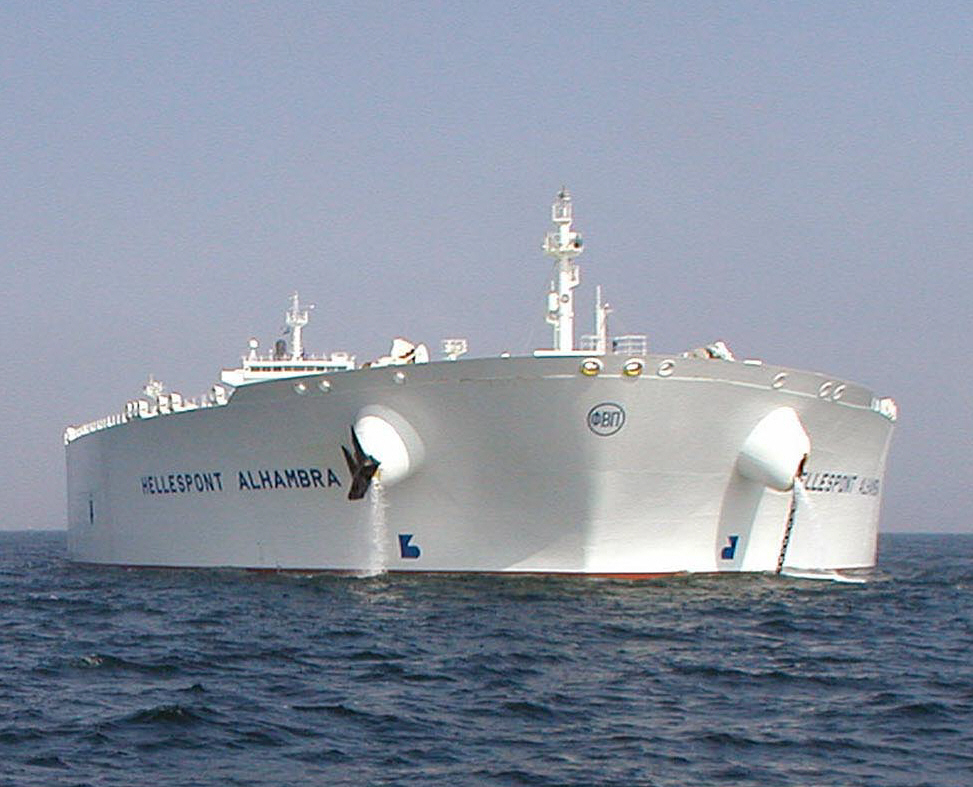
Tankers are classified by role and size. Common distinctions include crude vs product carriers and coastal vs deep-sea vessels. Industry size names—Panamax, Aframax, Suezmax, VLCC and ULCC—describe increasing cargo capacity and the routes or terminals they can access. Chemical tankers and combination carriers exist to handle specialized or segregated cargoes.
History and regulation
Specialized oil-carrying ships emerged in the late 19th and early 20th centuries as petroleum trade expanded. Over time accidents and major oil spills prompted stronger design and operational rules. Notably, international regulations have moved the fleet toward double-hull construction and stricter operational standards to reduce spill risk and protect crew safety.
Operations, uses and importance
Tankers are central to the global energy supply chain, moving crude from producing regions to refineries and distributing refined fuels worldwide. Loading and discharge typically use shore pipelines and hoses while onboard systems manage cargo heating, stripping and tank cleaning. Efficient tanker operations affect fuel prices, energy security and maritime trade flows.
Risks and notable distinctions
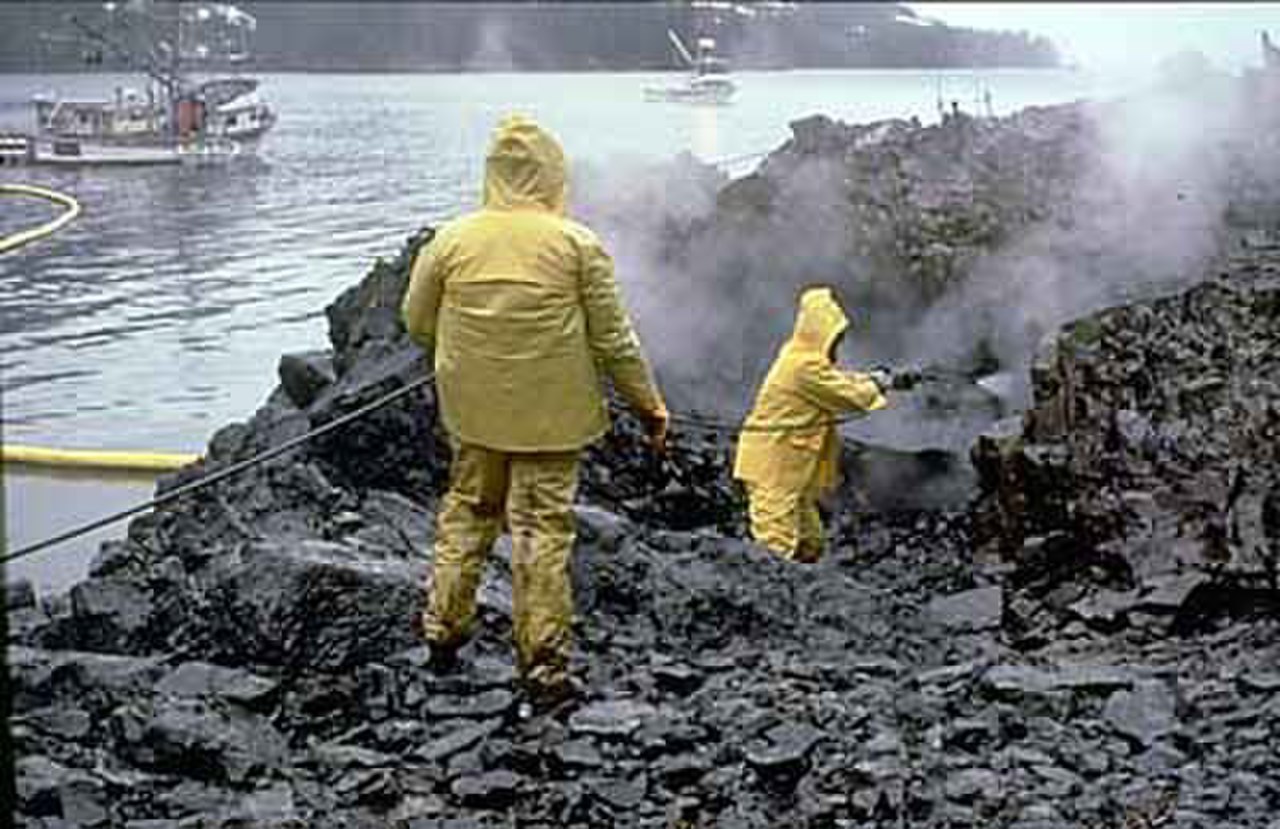
Environmental hazards—collision, grounding, structural failure and operational mistakes—can cause significant oil pollution. Double-hull designs, careful navigation, and regulations aim to reduce these events. Distinctions to note include the difference between crude and product tankers, and between tankers and tank barges, which serve inland or shallow-water routes.
For technical design guidance and industry standards see ship design and regulation resources. For information about petroleum types carried by tankers see oil and refined product descriptions.
Related articles
Author
AlegsaOnline.com Oil tanker: design, types, history, operations and environmental impact Leandro Alegsa
URL: https://en.alegsaonline.com/art/72151
Sources
- books.google.com : Maritime economics