
Off-road vehicle — design, history, uses, and key features
Vehicles designed or modified to travel on unpaved or rough terrain. Explains typical components, common types, historical development, uses in recreation and work, and environmental and regulatory issues.
Overview
An off-road vehicle is any motorized machine intended to travel across surfaces that are not paved roads: loose gravel, mud, sand, rocks, snow and similar terrains. Such vehicles are built or modified to provide traction, clearance and durability where normal road-going vehicles would struggle. For a general definition and classifications see related resources, and for guidance on permitted driving areas consult local authorities via official links.
Image gallery
10 Images



Common characteristics and components
Off-road capability depends on a combination of design features rather than any single element. Typical attributes include:
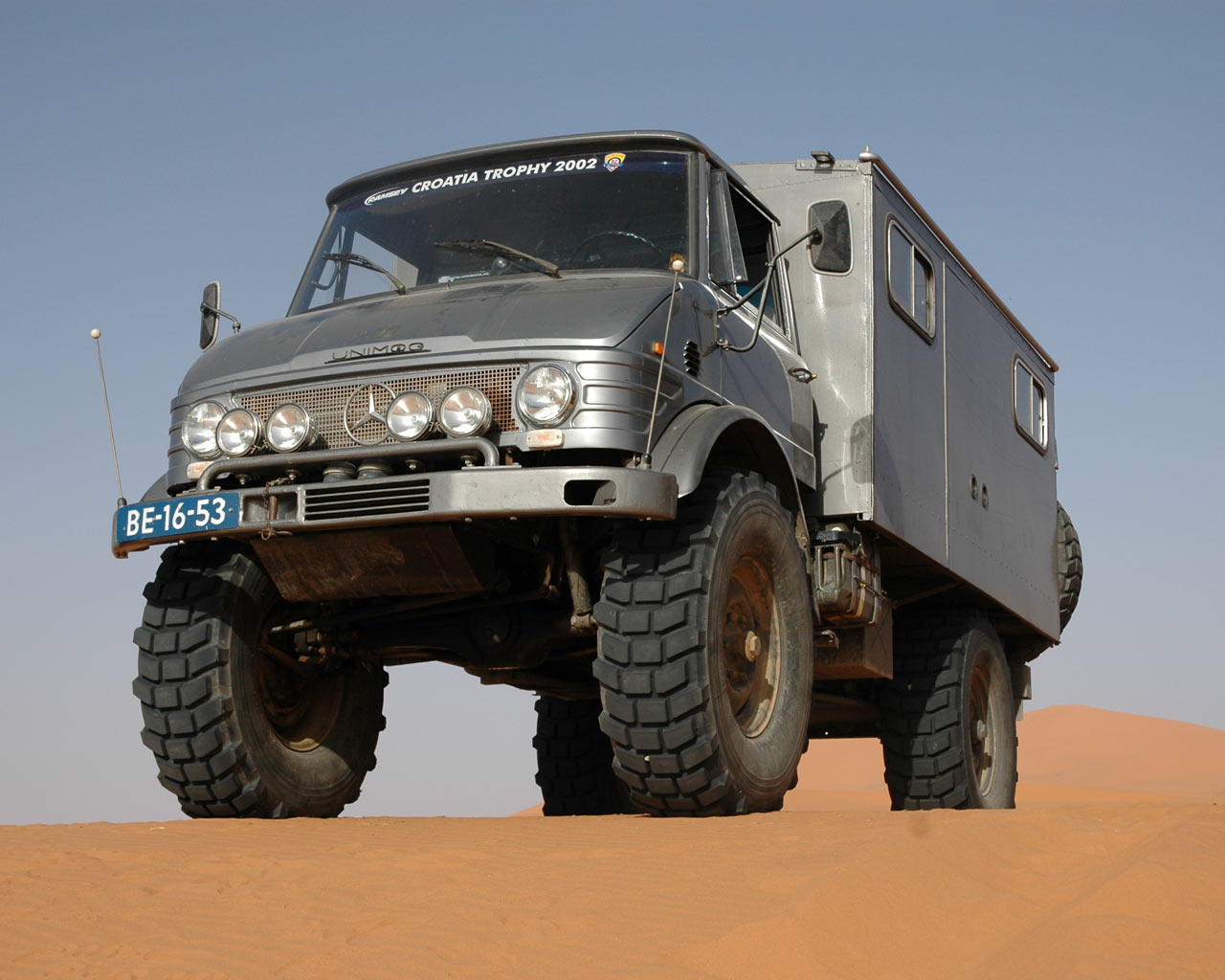
- Tires: large diameter, wide section and deep, open treads to bite into loose surfaces and shed mud.
- Suspension: long-travel, flexible systems to keep wheels in contact with uneven ground and to absorb shocks.
- Drive systems: four-wheel drive or all-wheel drive, often with low-range gearing and locking differentials for steep or slippery conditions.
- Protection and recovery: skid plates, roll cages, winches and tow points to protect components and assist self-recovery.
- Clearance and approach angles: high ground clearance and short overhangs to traverse obstacles without grounding.
Other adaptations can include snorkels for deep water crossings, reinforced chassis, and simplified electronics to resist water and impacts. For technical standards and aftermarket options see technical guides.
History and development
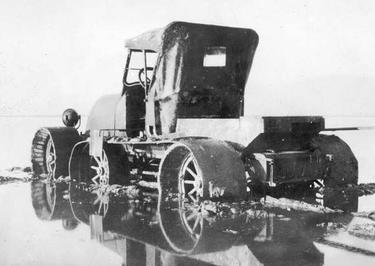
The concept of purpose-built off-road transport expanded greatly during the 20th century. Military requirements accelerated development of light, robust vehicles capable of cross-country movement, which later influenced civilian models. Manufacturers produced specialized utility and leisure vehicles such as sport utility vehicles (SUVs), all-terrain vehicles (ATVs) and side-by-sides (UTVs). Over time, motorsport disciplines like rally and rock crawling drove innovations in suspension, driveline and tire technology.
Uses and examples
Off-road vehicles serve a wide range of roles beyond recreation. Common uses include agriculture and forestry, emergency services and search-and-rescue, military transport, resource exploration, and construction in remote sites. Recreational activities range from trail riding and overlanding to competitive events. Typical examples are light trucks and SUVs adapted for trails, purpose-built buggies and rock crawlers, ATVs for single riders, and dirt bikes for narrow or rugged routes. Manufacturers and clubs often publish recommended trails and safety guidance at community links.
Distinctions, impacts and regulation
- Off-road vs. off-highway: some jurisdictions distinguish vehicles not intended for road use (off-highway) from road-capable vehicles designed for occasional off-pavement travel; legal and licensing rules differ by country or state.
- Environmental considerations: soil erosion, habitat disturbance and noise are common concerns; many areas impose seasonal or route restrictions to limit damage.
- Safety and training: operating off-road requires different skills; equipment such as recovery gear, maps and communications are recommended.
For further reading on regulations and best practice consult manufacturer manuals and local land-use authorities via official information.
Questions and answers
Q: What is an off-road vehicle?
A: An off-road vehicle is any type of vehicle suitable for driving on and off paved or gravel surfaces.
Q: What are the characteristics of off-road vehicles?
A: Off-road vehicles are equipped with large tires with deep, open treads and a flexible suspension.
Q: Can off-road vehicles be used on highways?
A: Yes, off-road vehicles can be used on highways, but they are not designed for high-speed driving and may not be as safe as regular vehicles on the road.
Q: How are off-road vehicles different from off-highway vehicles?
A: Off-road vehicles are designed for driving on and off paved or gravel surfaces, whereas off-highway vehicles are capable of traveling cross-country over rough land, marsh, swamps, ice or snow, but are not designed for use on highways.
Q: What types of terrain can off-highway vehicles travel on?
A: Off-highway vehicles are capable of traveling cross-country over rough land, marsh, swamps, ice or snow.
Q: Do all off-road vehicles have flexible suspension?
A: Yes, most off-road vehicles have a flexible suspension, which is necessary to absorb shocks and vibrations when driving off-road.
Q: What is the purpose of large and deep-treaded tires on off-road vehicles?
A: Large and deep-treaded tires provide better traction and grip on uneven and slippery terrain when driving off-road.
Related articles
Author
AlegsaOnline.com Off-road vehicle — design, history, uses, and key features Leandro Alegsa
URL: https://en.alegsaonline.com/art/72023
Sources
- gnb.ca : "Off-Road Vehicle Act"
- dot.nd.gov : "What is an off-highway vehicle?"
- treadlightly.org : "About The Ride on Designated Routes Campaign"