
Nurosaurus — informal name for a Cretaceous sauropod from Inner Mongolia
Nurosaurus is an informal name applied to a sauropod dinosaur from Cretaceous deposits of Inner Mongolia, China. Its remains and formal taxonomic status remain uncertain.
Overview
Nurosaurus is the informal name given to a genus of large, long‑necked sauropod dinosaur reported from Cretaceous-age rocks in what is now Inner Mongolia, China. The name (and the proposed binomial Nurosaurus qaganensis, attributed to Dong, 1992) appears in some sources, but the material and description have not been universally accepted in the formal taxonomic literature. As a result, Nurosaurus is treated cautiously by paleontologists and is sometimes regarded as an indeterminate or informal designation rather than a firmly established genus.
Image gallery
10 Images


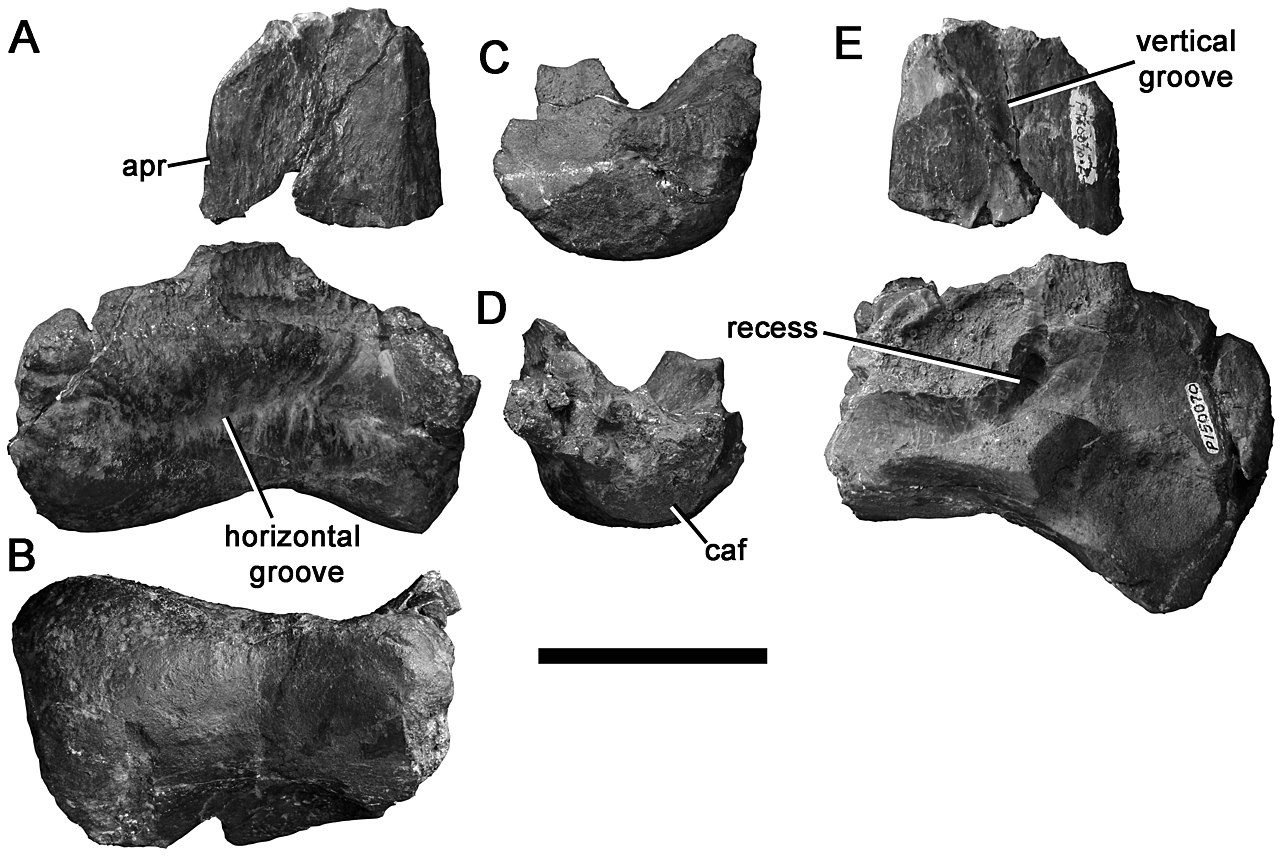


Discovery and name
The fossils assigned to Nurosaurus were recovered from Cretaceous deposits in the region of Inner Mongolia. The proposed name links the specimens to that geographic area and was published in brief form by Dong in 1992. Because detailed, widely accessible descriptions and diagnostic comparisons are limited, the name has not gained broad consensus among specialists. Readers seeking background on similar finds can consult general resources on Naosaurus and on early synapsids such as pelycosaurs for contrasting historical naming practices; for the concept of a taxonomic genus, see standard texts.
Physical characteristics and size
Reportedly, Nurosaurus reached an overall length on the order of 20–30 metres, a size comparable to many large Cretaceous sauropods. Like other members of the broad group of sauropods, it would have been a quadrupedal herbivore with a long neck and tail, columnar limbs, and a relatively small head. These general features are typical of sauropod bauplans among dinosaurs from the Mesozoic Era.
Age and environment
The fossils are reported from strata assigned to the Cretaceous period, a time when much of Asia supported diverse dinosaur faunas. In the Cretaceous of northern China, sauropods coexisted with a variety of herbivorous and carnivorous dinosaurs, and their ecosystems included floodplains, river channels, and vegetated lowlands. The regional geology of Inner Mongolia and broader studies of China help contextualize such finds.
Taxonomy, significance, and comparisons
Because the formal description and diagnostic characters for Nurosaurus are limited in the accessible literature, its exact relationships to named sauropod families or clades remain unresolved. Paleontologists typically treat it as an informal or uncertain taxon until more complete material or a rigorous revision is published. The animal is described as a plant‑eater or herbivore, consistent with sauropod ecology. Notable points include its tentative size estimate and the need for additional study to confirm whether the material represents a distinct genus or belongs to an already named taxon.
Key facts
- Informal name associated with Cretaceous sauropod remains from Inner Mongolia.
- Proposed binomial: Nurosaurus qaganensis (Dong, 1992), though not universally validated.
- Reported length roughly comparable to other large sauropods (~25 m).
- Taxonomic status remains uncertain pending fuller description or new material.
For more general background on sauropod anatomy, classification, and Cretaceous paleoecology consult comprehensive paleontology references or regional syntheses.
Related articles
Author
AlegsaOnline.com Nurosaurus — informal name for a Cretaceous sauropod from Inner Mongolia Leandro Alegsa
URL: https://en.alegsaonline.com/art/71482
Sources
- dinosaurpictures.org : "Nurosaurus pictures and facts"
- dinochecker.com : "Nurosaurus qaganensis"
- fossilworks.org : "Nurosaurus qaganensis Dong 1992 (sauropod)"