
Nymphalidae: the brush-footed butterflies
Nymphalidae is the largest family of butterflies, with roughly 6,000 species worldwide. Known as brush-footed butterflies, they show diverse colors, life cycles, ecological roles, and conservation concerns.
Overview
The Nymphalidae are the largest family of butterflies, containing about 6,000 described species found on every continent except Antarctica. Often called nymphalids or brush-footed butterflies, they include many familiar garden and forest species. Their size, colours and ecological roles vary widely, making them important both for scientific study and as indicators of habitat health. For further taxonomic context see Nymphalidae overview.
Image gallery
10 Images




Key characteristics
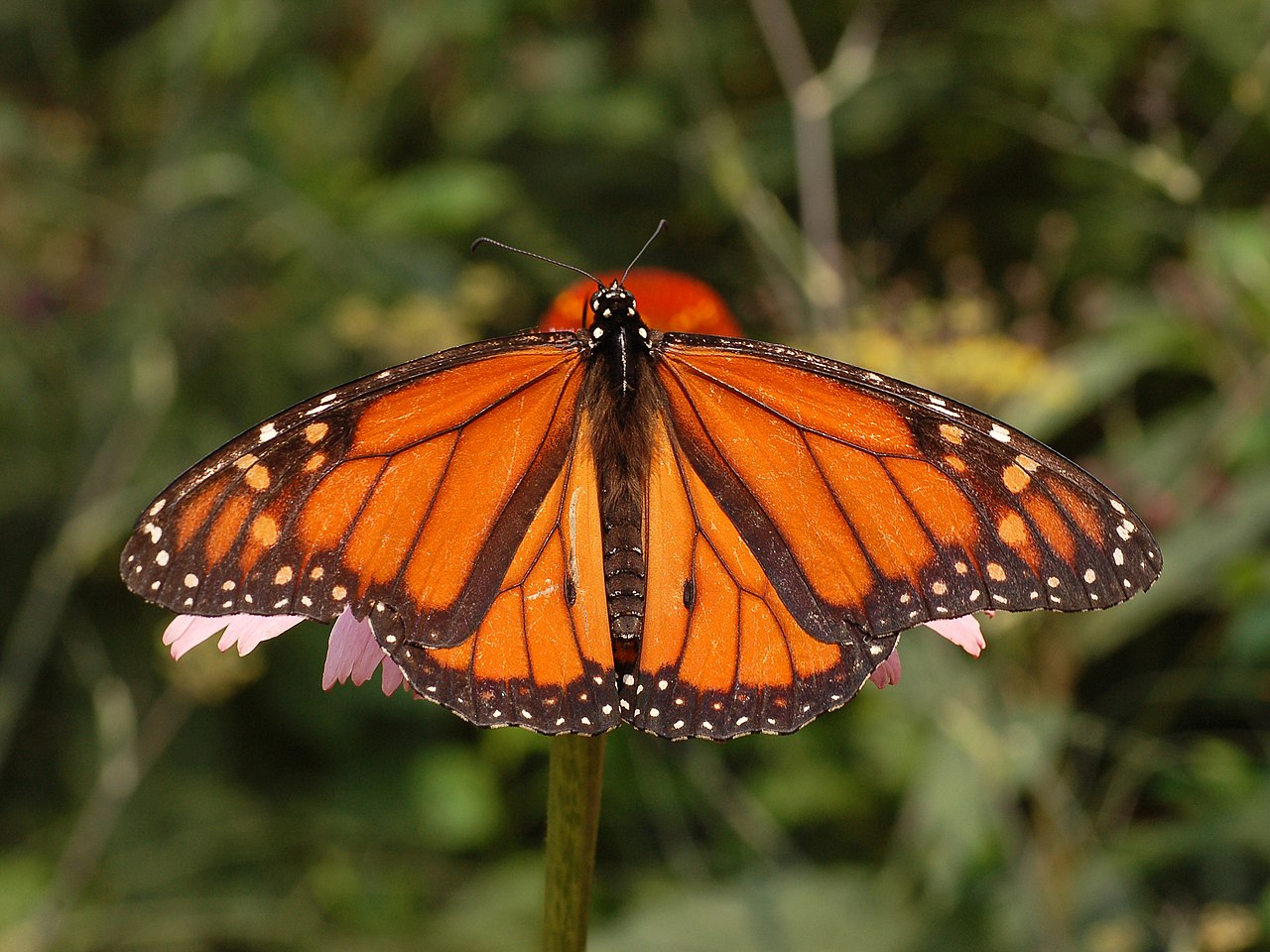
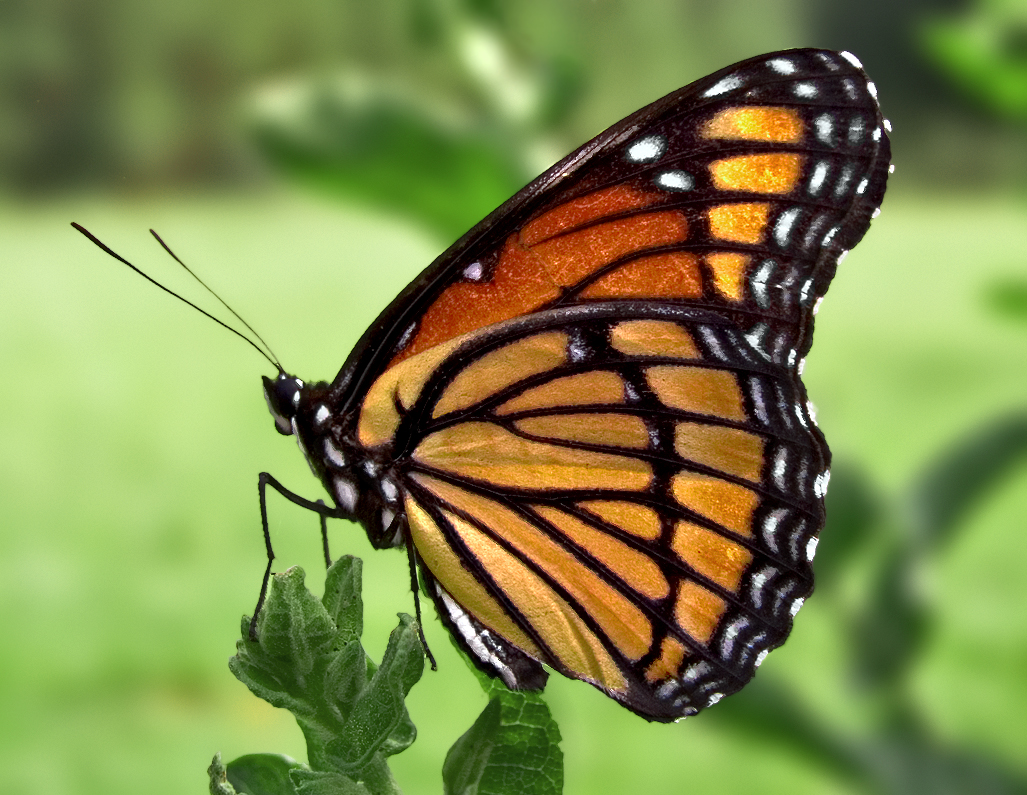
Adults typically have a notable reduction of the forelegs: the first pair is small, often hairy or brush-like, and not used for walking. This trait gives the family its common name and aids in sensory tasks such as tasting. Wing patterns range from cryptic browns to bright warning colours; many species use camouflage, disruptive markings, or mimicry to deter predators. For identification resources see field guides and keys.
Major groups and diversity
Several well-known subgroups fall within this family, each with characteristic habits and forms. Examples include:
- Danainae — the milkweed butterflies (e.g., monarchs), often unpalatable to predators.
- Satyrinae — browns and satyrs, usually earth-toned and woodland-associated.
- Heliconiinae — longwings and fritillaries, many of which participate in mimicry rings.
- Nymphalinae — admirals, emperors and tortoiseshells, diverse in habitat.
For annotated lists and species accounts consult regional checklists.
Life cycle and ecology
Nymphalids undergo the typical butterfly metamorphosis: egg, caterpillar (larva), pupa (chrysalis), and adult. Caterpillars frequently feed on specific host plants and may be spiny, hairy, or cryptically coloured. Adults visit nectar, overripe fruit, tree sap and other nutrient sources; some species undertake long migrations. Their close ties to particular plants make them useful in studies of coevolution and habitat connectivity. Useful ecological summaries are available at conservation portals.
Importance and threats
Nymphalidae species contribute to pollination and food webs and are popular in education and citizen science. Many populations face pressures from habitat loss, pesticides, invasive plants, and climate change. Conservation efforts combine habitat protection, host-plant restoration and monitoring programs. For current conservation status and initiatives see conservation resources.
Questions and answers
Q: What is the Nymphalidae family?
A: It is the largest family of butterflies, with around 6,000 species.
Q: Where do the Nymphalidae butterflies live?
A: They can be found on all continents except Antarctica.
Q: What are some common names for the Nymphalidae butterflies?
A: They are commonly known as nymphalids, brushfoots, or brush-footed butterflies.
Q: How many species does the Nymphalidae family have?
A: The Nymphalidae family has about 6,000 species.
Q: Do Nymphalidae butterflies live in Antarctica?
A: No, Nymphalidae butterflies do not live in Antarctica.
Q: What is the habitat range of Nymphalidae butterflies?
A: The Nymphalidae butterflies can be found living on all continents except Antarctica.
Q: Are there any unique features of the Nymphalidae butterfly family?
A: The Nymphalidae butterfly family is the largest butterfly family with about 6,000 species.
Related articles
Author
AlegsaOnline.com Nymphalidae: the brush-footed butterflies Leandro Alegsa
URL: https://en.alegsaonline.com/art/71562
Sources
- tolweb.org : "Nymphalidae"