
Inner Mongolia Autonomous Region
Inner Mongolia is an autonomous region in northern China, known for its vast grasslands, mixed Han and Mongol population, mineral resources, and distinct Mongolian cultural heritage.
Overview
Öbür mongɣul (Mongolian) and 内蒙古 (Nèi Měnggǔ in pinyin), often romanized as "Nei Mongol," is the Mongol autonomous region of the People's Republic of China. It occupies a broad belt across northern China, is the third-largest first-level subdivision of the country by area, and contains a mix of grassland, desert and forested zones. The regional seat is Hohhot. The area is commonly described as spanning about 12% of China's land surface with a population of roughly 24 million.

Image gallery
10 Images





Geography and borders
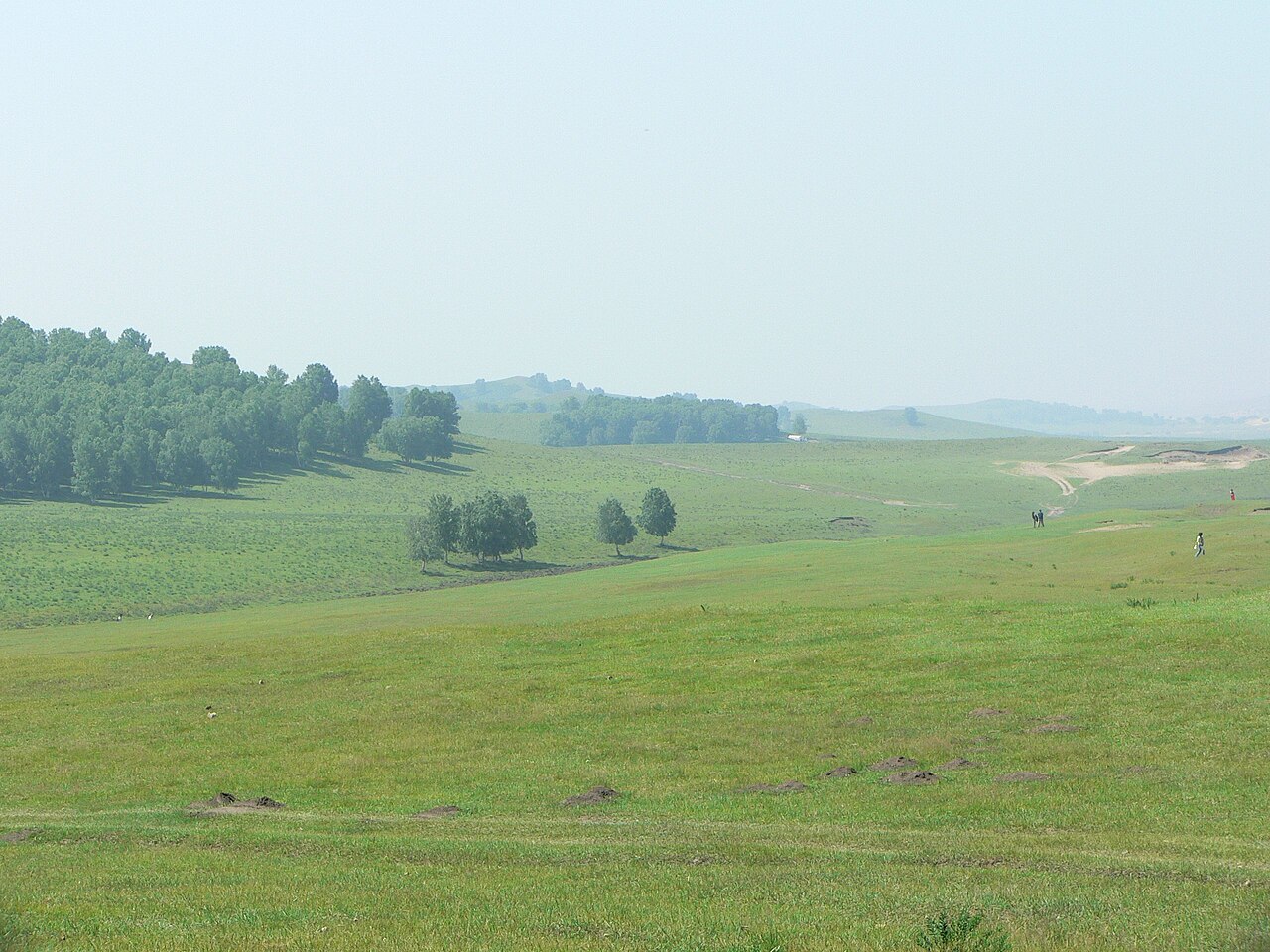
Inner Mongolia stretches from the northeastern provinces toward the Gansu corridor. It borders, from east to west, Heilongjiang, Jilin, Liaoning, Hebei, Shanxi, Shaanxi, the Ningxia Hui Autonomous Region, and Gansu. To the north it meets the independent countries of Mongolia and Russia. The region contains a variety of landscapes, including the Inner Mongolian Plateau, stretches of steppe used for grazing, patches of agricultural land, and arid zones such as parts of the Ordos Desert.
History and administrative development
The area long served as the homeland of Mongolic peoples and as a frontier between settled agricultural states and nomadic societies. Administrative arrangements changed under successive dynasties; during the Qing dynasty large parts of the region were organized separately from neighbouring provinces. In the twentieth century, the present autonomous region was established to recognize the Mongol population within the framework of the Chinese state. Since then it has functioned as one of several national minority autonomous areas, combining regional-level governance with national administration.
Population, language and culture
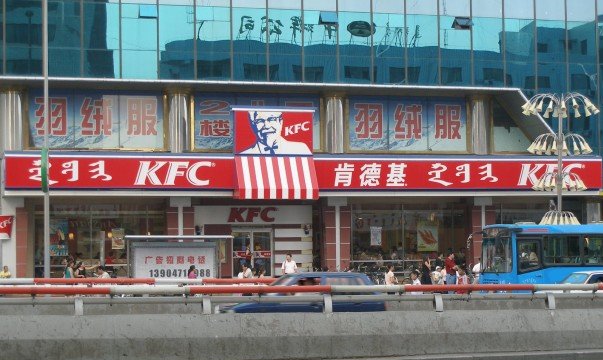
The region's inhabitants include a majority of Han Chinese alongside a substantial Mongol minority. Official languages are Standard Mandarin and Mongolian; Mongolian is written in the traditional script known as the classical Mongolian alphabet in official and cultural contexts. Local culture blends nomadic traditions, pastoral livelihoods and settled agricultural and urban ways of life; festivals, music, throat singing and horsemanship remain visible elements of Mongol identity, while urban centres host contemporary industries and educational institutions.
Economy and uses of the land
Inner Mongolia's economy is diverse: large areas of grassland support livestock herding (sheep, goats, cattle and horses), while fertile valleys are farmed for grains and other crops. The region is also an important center for mining—coal, nonferrous metals and rare-earth minerals are widely extracted—along with energy production and growing manufacturing clusters. Development has brought infrastructure expansion, but it has also raised environmental and social challenges, including desertification and the management of traditional grazing rights.
Notable distinctions and contemporary issues
- Inner Mongolia (a Chinese autonomous region) should not be confused with the independent state of Mongolia; the two are separate political entities with shared ethnic links.
- The capital Hohhot serves as the cultural and administrative hub, while other prefectures combine pastoral counties and industrial cities.
- Demographic change, resource extraction and environmental protection are prominent topics in regional planning and national policy debates.
For a concise introduction and further reading on administrative structure, geography and cultural heritage, consult regional surveys and authoritative references such as governmental profiles and academic studies. Where available, local museum collections and cultural centers provide accessible insights into Inner Mongolia's historical and contemporary life.
Related articles
Author
AlegsaOnline.com Inner Mongolia Autonomous Region Leandro Alegsa
URL: https://en.alegsaonline.com/art/47393
Sources
- chinahighlights.com : Hohhot Attraction