
Nyctosaurus: a Late Cretaceous pterosaur
Nyctosaurus was a small to medium pterosaur of the Upper Cretaceous noted for its long wings and striking cranial crest; fossils come mainly from marine deposits in North America.
Overview
Nyctosaurus was a genus of flying reptile belonging to the broader group of pterosaurs. It lived during the Upper Cretaceous and is known from fossils recovered largely from marine sedimentary rocks. Nyctosaurus is often cited for its unusual head crest and for being closely related to other crest-bearing pterodactyloids such as Pteranodon.
Image gallery
10 Images




Anatomy and appearance
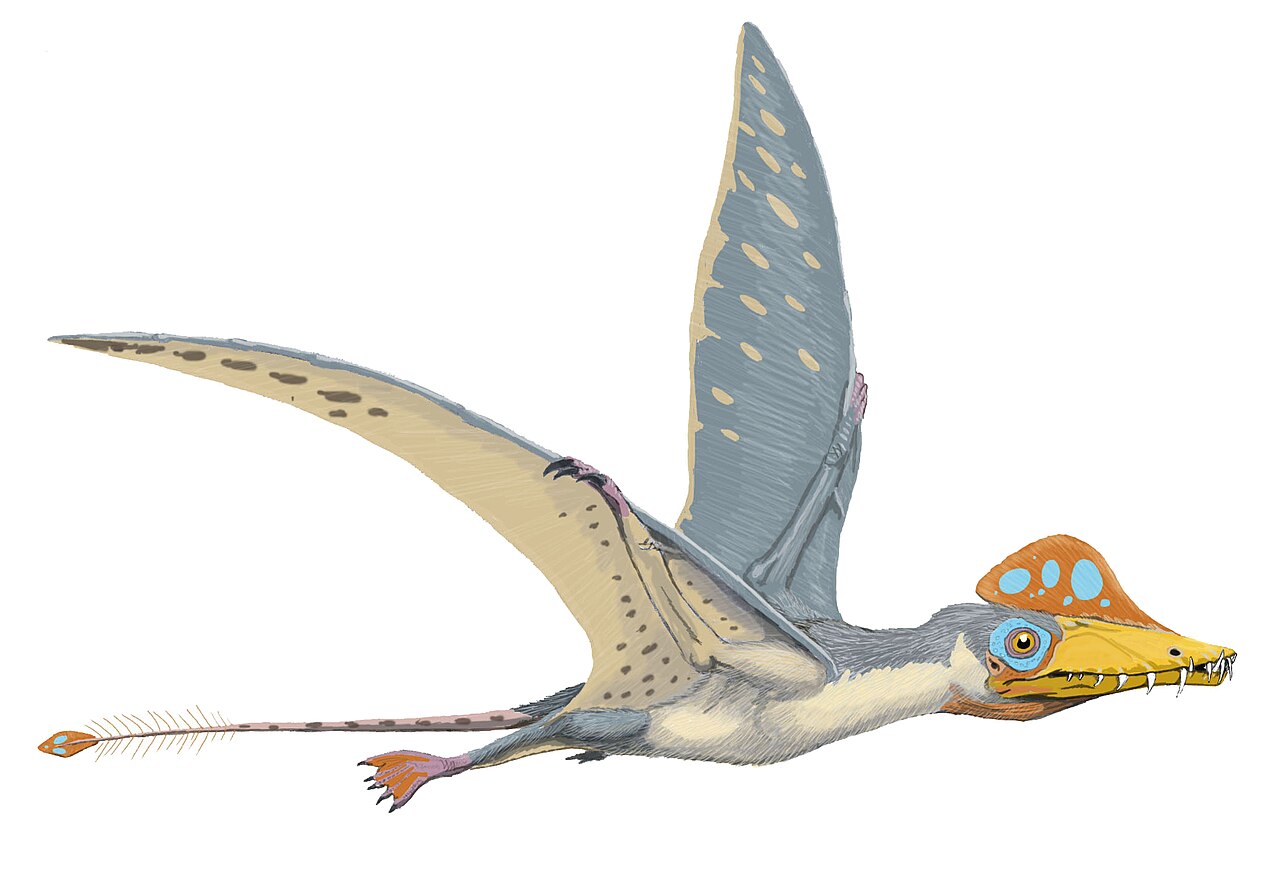
Nyctosaurus had long, narrow wings and a lightweight skeleton adapted for efficient flight. Some well-preserved specimens show a relatively modest wingspan — sometimes reported near 1 meter in smaller individuals — while other adults could be larger. The skull is slender and toothless, and several specimens preserve a prominent cranial crest that may have been used for display, species recognition, or aerodynamic function.
Key characteristics
- Toothless, elongated jaws and a light skull.
- Long metacarpals supporting soaring wings; the forelimb structure centers on the wing finger and associated bones often called the wing elements.
- Elaborate crest in some specimens, varying widely in shape and size.
Discovery and classification
Fossils of Nyctosaurus were first described from Late Cretaceous marine formations in North America. The genus is placed among the pterodactyloid pterosaurs and more specifically in the family Nyctosauridae. Its close relationship to larger, crest-bearing taxa is used to study the evolution of cranial ornamentation in pterosaurs and to compare flight adaptations across related groups.
Paleobiology and significance
Nyctosaurus likely inhabited coastal and open-sea environments, feeding on fish and other small marine animals while soaring above the water. The combination of lightweight bones, long wings, and a toothless beak suggests an ecological role similar to modern seabirds that glide and plunge for prey. The genus is important to paleontologists because its preserved crests and flight anatomy provide insight into behavioral and aerodynamic adaptations among Late Cretaceous pterosaurs.
Notable facts
- Some specimens show extreme crest shapes that have generated debate about their function and whether different forms represent sexes, age classes, or separate species.
- Nyctosaurus remains are primarily found in marine chalks and limestones, indicating it lived near or over the sea.
- Comparisons with Pteranodon and other pterodactyloids help reconstruct the diversity of Cretaceous flying reptiles.
Further reading and specimen images can be sought through curated paleontology databases and museum collections (pterosaur resources, Cretaceous stratigraphy) that document Nyctosaurus material and its scientific interpretations.
Related articles
Author
AlegsaOnline.com Nyctosaurus: a Late Cretaceous pterosaur Leandro Alegsa
URL: https://en.alegsaonline.com/art/71546