
Nyasasaurus — a fragmentary reptile that may be the earliest dinosaur
Nyasasaurus is a fragmentary archosaur from Tanzania's Middle Triassic Manda Beds. Known from a few bones, it may represent the earliest dinosaur or a close relative and has altered ideas about dinosaur origins.
Overview
Nyasasaurus (literally "Lake Nyasa lizard") is an extinct genus known from a small collection of fossil bones recovered from the Manda Beds of Tanzania. Paleontologists have identified it as an archosaur group of reptile animals that lived in the Middle Triassic period. Because several preserved features resemble those of very early dinosaurs, some researchers have proposed that Nyasasaurus could be the earliest known dinosaur or, alternatively, a very close dinosauriform relative. The genus is known only from a handful of elements, so its anatomy and exact position in the evolutionary tree remain tentative.
Image gallery
10 Images


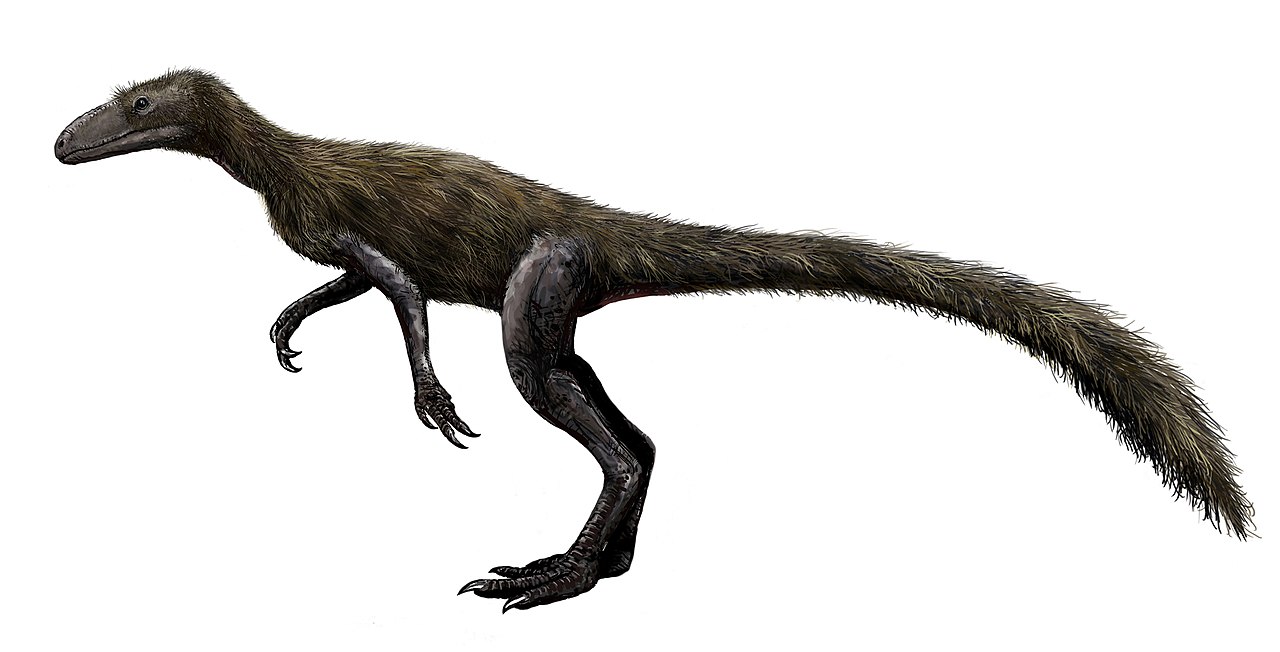


Anatomy and growth
The fossil material attributed to Nyasasaurus consists primarily of vertebrae and a single upper arm bone (humerus). The vertebrae show a combination of primitive and derived traits that are informative but incomplete: they are sufficiently distinctive to link the specimens to the archosaur lineage, but they lack the full suite of features needed for a confident placement. The humerus bears an elongated deltopectoral crest, a pronounced muscle attachment that is commonly associated with early dinosaurs and diagnostic of powerful forelimb musculature. Bone microstructure analyzed by researchers indicates relatively rapid growth, a pattern more like that seen in early dinosaurs than in many contemporaneous archosaurs.
Geological context and age
Nyasasaurus comes from the Manda Beds, a series of terrestrial sedimentary deposits in what is now Tanzania. These deposits date to the Middle Triassic Anisian stage, making the material substantially older than the classic early dinosaur faunas of the Late Triassic. If Nyasasaurus is a true dinosaur, its age pushes the origin of dinosaurs back by roughly fifteen million years compared with the previously oldest confirmed dinosaur records from regions such as Argentina South America. The earlier timing implies a more gradual early diversification of dinosaur-line archosaurs across Pangaea than some models had assumed.
Discovery and naming
The specimens were collected in the early 20th century from Tanzanian outcrops of the Manda Beds and remained in museum collections for decades before a detailed re-examination was published that highlighted their possible dinosaurian affinities. The fragmentary nature of the fossils — six vertebrae and a humerus from one specimen, and five vertebrae from another in the principal material — makes the taxon challenging to interpret. The original material and subsequent studies have been discussed in the paleontological literature and referenced in surveys of early dinosaur evolution and Triassic ecosystems.
Significance and scientific debate
Nyasasaurus is significant because it exemplifies how fragmentary fossils can alter hypotheses about when major groups originated. Supporters argue that the suite of dinosaur-like characters and the growth dynamics seen in the humerus are consistent with it being a basal dinosaur, thereby extending the dinosaur timeline into the Middle Triassic. Others caution that the remains are too sparse to rule out alternative placements among basal dinosauriforms or close archosaur relatives. This debate highlights a broader issue in deep-time paleontology: isolated bones can be informative but often leave room for differing interpretations until more complete material is discovered.
Notable facts and further reading
- The name Nyasasaurus harkens to Lake Nyasa (Lake Malawi) near the collection area; it serves as a geographic reference to the find site (Manda Beds, dinosaur discussions).
- Key elements used in the identification include a humerus with a long deltopectoral crest and several cervical and dorsal vertebrae that preserve diagnostic features.
- The humerus itself has been singled out in descriptions because of its muscle attachment morphology (humerus details).
- Like other Triassic finds, Nyasasaurus sits in the context of debates about the Carnian versus Anisian timing of dinosaur origins and the distribution of early dinosauriforms across ancient continents.
- Comparisons are often drawn between Nyasasaurus and Late Triassic early dinosaurs known from places such as Argentina, which were previously taken as the oldest confirmed dinosaurs.
Because of its incomplete remains, Nyasasaurus remains an important but ambiguous taxon: it either represents the earliest-known dinosaur or a close relative that demonstrates dinosaurian traits evolved earlier than the well-documented Late Triassic records. Future discoveries in Triassic deposits and reanalysis of existing collections may clarify whether Nyasasaurus belongs within Dinosauria or just outside it among early dinosauriforms. For broader context on the group and time interval, consult overview resources on archosaurs and early reptiles as well as stratigraphic summaries of the Middle Triassic and the Manda Beds.
Questions and answers
Q: What is Nyasasaurus?
A: Nyasasaurus is an extinct genus of Archosaur reptile.
Q: From where was Nyasasaurus discovered?
A: Nyasasaurus was discovered from the Middle Triassic Manda Beds of Tanzania.
Q: What is the significance of Nyasasaurus?
A: Nyasasaurus may be the earliest known dinosaur, and its discovery shows that the initial dinosaur radiation occurred over a longer timescale than previously thought.
Q: When were the bones of Nyasasaurus collected?
A: The bones of Nyasasaurus were collected in the early 1930s.
Q: What are the characteristics of Nyasasaurus that indicate it might be a dinosaur?
A: Nyasasaurus possesses a unique combination of dinosaur character states and an elevated growth rate similar to that of definitive early dinosaurs. The humerus also has a muscle attachment which is characteristic of dinosaurs (a long 'deltopectoral crest').
Q: What is the age of the deposit from which Nyasasaurus was found?
A: The deposit from which Nyasasaurus was found dates back to the Middle Triassic Anisian stage.
Q: How old is Nyasasaurus compared to other early dinosaurs?
A: Nyasasaurus predates other early dinosaurs by about 15 million years, as it comes from a deposit that is 15 million years older than the oldest record of dinosaurs from Argentina.
Related articles
Author
AlegsaOnline.com Nyasasaurus — a fragmentary reptile that may be the earliest dinosaur Leandro Alegsa
URL: https://en.alegsaonline.com/art/71538
Sources
- rsbl.royalsocietypublishing.org : rsbl.royalsocietypublishing.org/content/9/1/20120949