
Nucleobase — fundamental bases of DNA and RNA
Nucleobases are the molecular components of DNA and RNA that encode genetic information, form base pairs, and influence structure, mutation and molecular recognition in biology.
Nucleobases are organic molecules that form the informational core of nucleic acids. Found in both RNA and DNA, they participate in specific hydrogen-bonded interactions called base pairs, enabling storage and transfer of genetic information. In genetics, these units are commonly referred to simply as bases and are central to heredity and molecular biology research (genetics).
Image gallery
3 Images

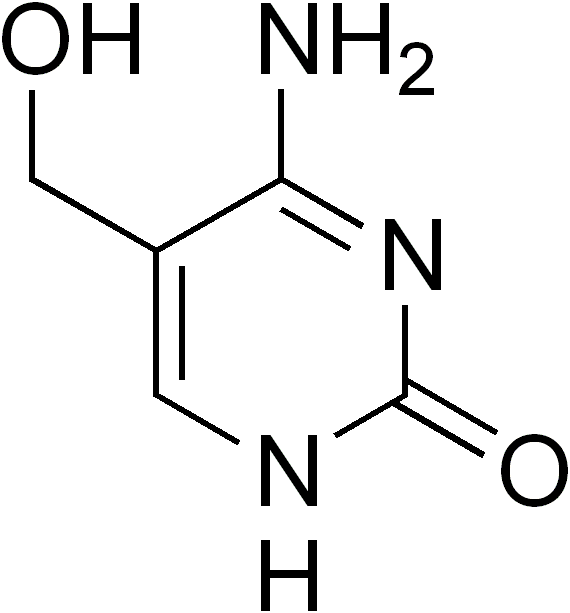
Common nucleobases
The canonical nucleobases fall into two structural families: purines (two fused rings) and pyrimidines (one ring). The bases most often encountered in living organisms are listed below:
- Cytosine (C) — a pyrimidine found in both DNA and RNA.
- Guanine (G) — a purine that pairs with cytosine.
- Adenine (A) — a purine pairing with thymine or uracil.
- Thymine (T) — a pyrimidine primarily in DNA.
- Uracil (U) — the RNA pyrimidine that usually substitutes for thymine.
- Xanthine and hypoxanthine — oxidized or deaminated derivatives that can arise by modification of guanine and adenine.
Structure and pairing
Pairing between nucleobases is governed by hydrogen-bonding rules and geometry: in DNA, adenine typically pairs with thymine via two hydrogen bonds, and guanine pairs with cytosine via three. In RNA, uracil replaces thymine and forms analogous pairs. These complementary interactions determine the double helical architecture of DNA and many folded RNA structures and are also exploited in laboratory techniques like PCR and hybridization.
Functions, modifications and consequences
Beyond encoding sequence information, nucleobases influence the chemical stability of strands, recognition by proteins and enzymes, and mutation rates. Chemical modifications (methylation, deamination, oxidation) alter base properties and play roles in gene regulation and damage. For example, deamination of cytosine yields uracil-like lesions; oxidation can produce bases such as xanthine that mispair and contribute to mutation.
History and practical importance
Discovery and structural characterization of nucleobases were key milestones in molecular biology and led to the understanding of DNA structure and replication. Today, knowledge of nucleobases underpins DNA sequencing, genetic engineering, forensic analysis and diagnostic assays. Modified or synthetic bases are also used to expand genetic coding in research contexts.
Notable distinctions
Key distinctions to remember: thymine is common in DNA while uracil appears in RNA; purines (adenine, guanine) are larger than pyrimidines (cytosine, thymine, uracil); and many noncanonical or damaged bases (e.g., xanthine, hypoxanthine) arise from chemical change and can affect pairing fidelity. For curated resources and further reading see links on RNA (RNA overview), DNA (DNA overview) and base pairing (base pair).
Related articles
Author
AlegsaOnline.com Nucleobase — fundamental bases of DNA and RNA Leandro Alegsa
URL: https://en.alegsaonline.com/art/71381