
Common cold: causes, symptoms, transmission, and prevention
A concise guide to the common cold: viral causes, typical symptoms, how it spreads, preventive measures, treatment options, complications and basic epidemiology.
Overview
The common cold is an acute viral infection that primarily affects the upper respiratory tract. It is one of the most frequent illnesses in humans and usually produces mild, self-limiting symptoms. While often called a single disease, the term covers a group of similar syndromes caused by many different viruses, which is why clinical features and severity vary from person to person. For a description of the anatomical region most affected see upper respiratory tract.
Image gallery
8 Images



Causes and virology
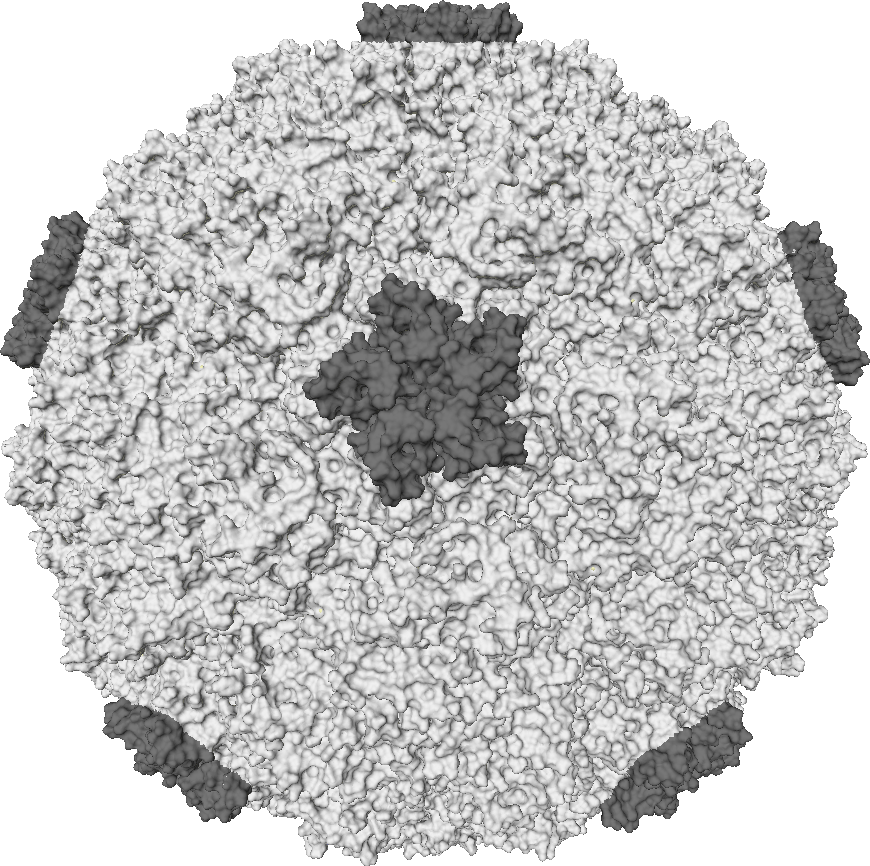
More than two hundred distinct viruses can produce a cold-like illness, so no single agent is responsible for all cases. The most commonly identified group are the rhinoviruses, which account for a large proportion of infections, especially in temperate climates. Other viral families that can cause similar syndromes include coronaviruses, adenoviruses, respiratory syncytial virus and enteroviruses. For details on the diversity of causal agents see number of viruses and the role of rhinoviruses.
Typical signs and course
Symptoms usually involve the nose, throat and sinuses and develop one to three days after exposure. Common complaints include sore or scratchy throat, nasal congestion, runny nose, sneezing and cough. Some people also experience mild fever, particularly children. See more on specific symptoms: cough, fever. Most colds resolve within a week to ten days, though some symptoms such as cough or nasal congestion can persist for up to two or three weeks in some individuals.
Why symptoms occur
Symptoms are largely the result of the body's immune and inflammatory responses rather than direct tissue destruction by the virus. Immune cells release signaling molecules that cause blood vessels to dilate, mucus production to increase and nerves to become more sensitive, producing the familiar discomforts. For an overview of the host response see immune system.
Transmission and prevention
The cold spreads readily from person to person. Transmission routes include direct contact with contaminated hands or surfaces, transfer of secretions to the face, and inhalation of droplets or aerosols from close contacts. Because multiple pathways exist, prevention relies on several practical measures:
- Frequent and thorough hand washing to remove infectious particles.
- Avoiding close contact with symptomatic people and reducing time in crowded, poorly ventilated spaces.
- Using tissues and disposing of them promptly; respiratory etiquette can reduce spread.
- Wearing masks in high-risk settings (e.g., crowded public transport) may lower exposure in some circumstances.
Viral survival on surfaces and spread by droplets means both hygiene and situational avoidance help. Public transit and densely populated areas are common settings for transmission.
Treatment, complications and when to seek care
No antiviral cure exists for the typical cold; treatment focuses on symptom relief with rest, fluids, saline nasal irrigation, analgesics and decongestants when appropriate. Most people recover without specific medical therapy. Complications are uncommon in healthy adults but can include secondary bacterial infections such as sinusitis or otitis media, and exacerbation of chronic lung disease. For information on sinus complications see sinusitis and on throat involvement see pharynx. Seek medical attention for high or persistent fever, severe shortness of breath, symptoms that worsen after initial improvement, or signs of bacterial infection.
Public health and epidemiology
Colds are extremely common: the average adult experiences a few colds per year while young children may have many more. Estimates commonly cite about two to three colds per year for adults and higher frequencies for children; for a general figure see average rates. Colds have accompanied humans throughout recorded history and remain a major driver of lost work and school days despite their generally mild nature. Ongoing research seeks better preventive strategies and targeted treatments, but control is complicated by the large number of causative viruses and their ability to evolve.
References and further reading are available from public health sources and clinical guidelines; for introductory material consult trusted medical resources and local health authorities.
Questions and answers
Q: What is the common cold?
A: The common cold is a virus-caused infectious disease that affects the upper respiratory system, causing symptoms such as coughs, painful throat, runny nose and fever.
Q: How does the common cold spread?
A: The common cold spreads easily through close contact with infected people and through moist air.
Q: What are some of the symptoms of the common cold?
A: Symptoms of the common cold include coughs, painful throat, runny nose and fever.
Q: How long do symptoms usually last for?
A: Symptoms usually last seven to ten days but can sometimes last up to three weeks.
Q: Are there any ways to prevent getting a cold?
A: Hand washing is good for preventing catching a cold as well as wearing face masks in crowded places such as mass transit systems.
Q: Is there a cure for the common cold?
A: Unfortunately there is no cure for the common cold but its symptoms can be treated.
Q: How often do people get a cold on average?
A: On average adults get two to three colds every year while children get between six and twelve every year.
Related articles
Author
AlegsaOnline.com Common cold: causes, symptoms, transmission, and prevention Leandro Alegsa
URL: https://en.alegsaonline.com/art/21996
Sources
- pubmed.ncbi.nlm.nih.gov : 21406124
- ndmat.hosp.ncku.edu.tw : "Understanding the symptoms of the common cold and influenza"
- doi.org : 10.1016/S1473-3099(05)70270-X
- pubmed.ncbi.nlm.nih.gov : 16253889
- doi.org : 10.1016/S0140-6736(03)12162-9
- pubmed.ncbi.nlm.nih.gov : 12517470
- doi.org : 10.1016/j.jpeds.2009.12.004
- pubmed.ncbi.nlm.nih.gov : 20176183
- doi.org : 10.1126/science.1165557
- pubmed.ncbi.nlm.nih.gov : 19213880
- www3.niaid.nih.gov : "Common Cold"
- books.google.com : Common cold
- books.google.com : Principles and practice of clinical virology
- jama.ama-assn.org : "Questions and answers"
- query.nytimes.com : "'You'll catch your death!' An old wives' tale? Well..."