
North Kosovo: geography, population, governance and contemporary issues
North Kosovo is the predominantly Serb-majority area in northern Kosovo. This article explains its geography, population, local institutions, historical background, and its role in Kosovo–Serbia relations.
Overview
North Kosovo describes the contiguous Serb-majority area in the northern part of Kosovo. It includes the northern half of Mitrovica and three majority-Serb municipalities often listed together: Zvečan, Leposavić and Zubin Potok. The area has been a focal point of Kosovo–Serbia relations since the late 1990s because of its ethnic composition, parallel Serbian institutions and disputes over authority and sovereignty. Many residents maintain close political, administrative and economic ties with Belgrade while remaining geographically inside Kosovo’s borders.
Image gallery
10 Images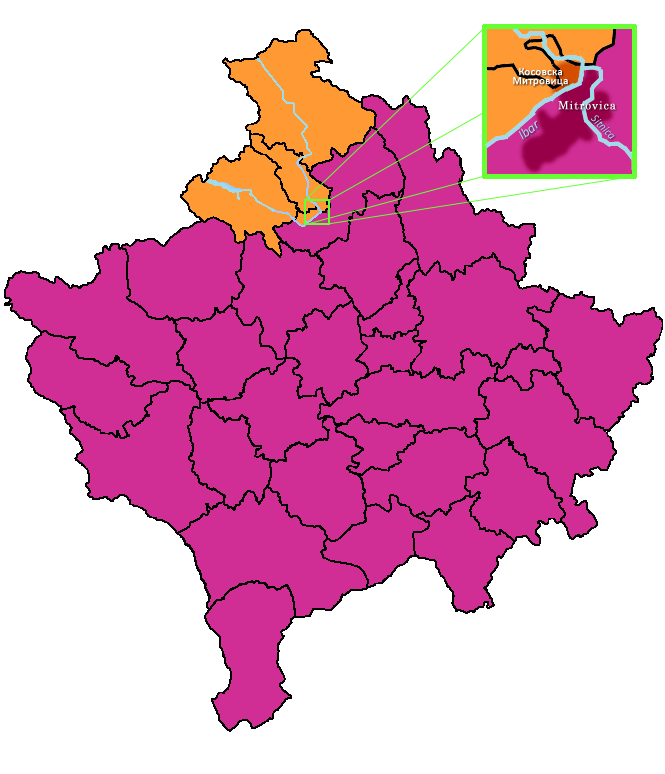





Geography and population
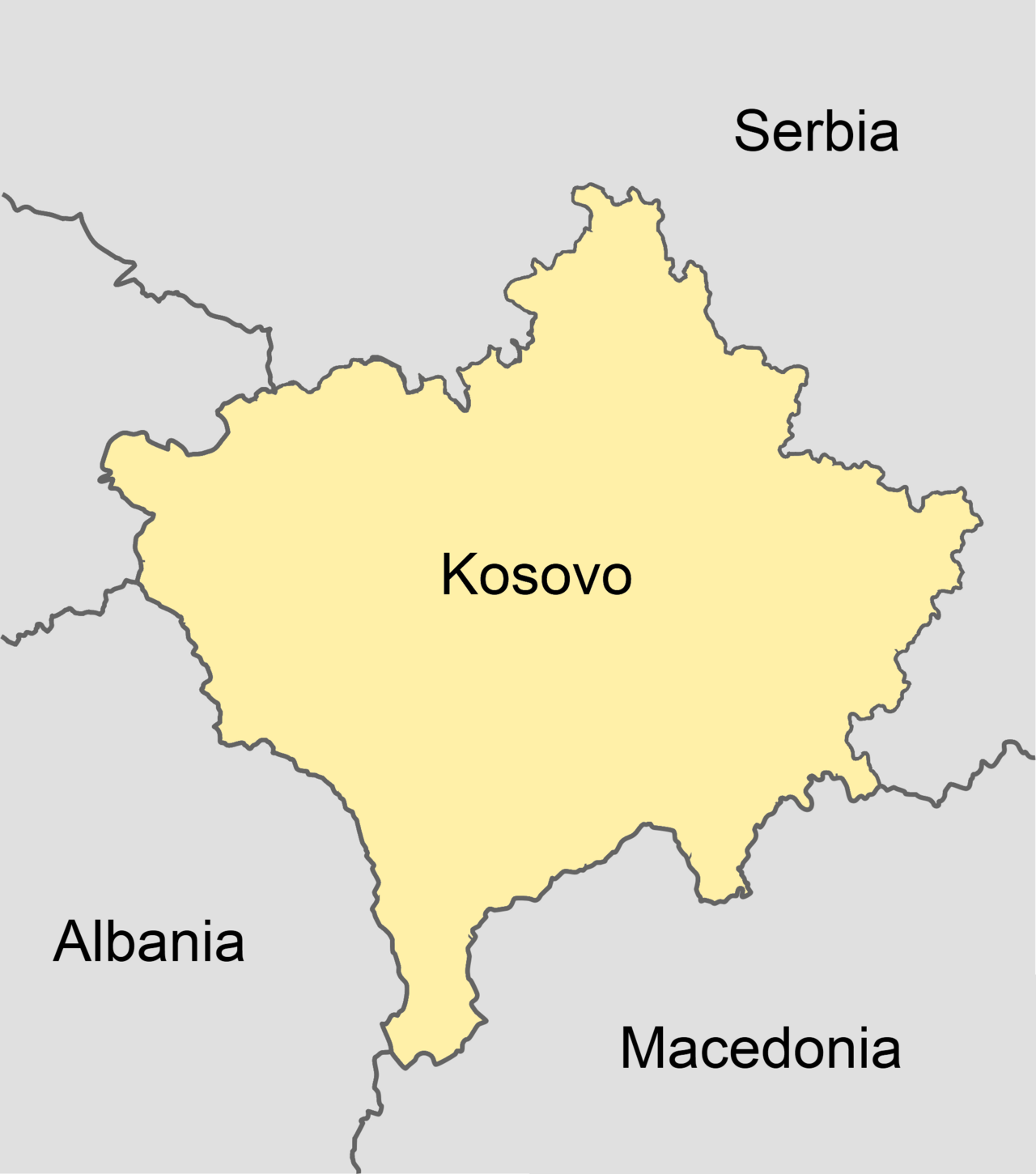
The territory usually referred to as North Kosovo covers roughly one tenth of Kosovo’s land area and stretches along the Ibar River valley and adjacent hills. Its settlements range from the industrial and divided city of North Mitrovica to smaller, mostly rural towns and villages. The population is overwhelmingly ethnic Serb, with other communities—Albanians, Bosniaks, Roma, Gorani and Turks—present in much smaller numbers. Estimates of the total population vary between sources; reliable reporting uniformly describes the area as predominantly Serbian in language, culture and religious affiliation.
Local institutions and daily life
In day-to-day life North Kosovo is marked by a mixture of Kosovo and Serbian systems. Serbian-issued identity documents, license plates, schools following Serbian curricula, and the Serbian dinar are commonly used alongside Kosovo institutions in some situations. Local government services are often provided by offices linked to Belgrade or run through parallel networks, while courts, policing and municipal administration have been the subject of repeated agreements and negotiations between Pristina and Belgrade. Movement across municipal and international borders, public services, and cross-border commerce shape everyday experience for residents.
History and political significance
The contemporary status of North Kosovo dates to the aftermath of the 1998–99 conflict and international administration that followed. United Nations Security Council Resolution 1244 placed Kosovo under interim international administration in 1999; Kosovo later declared independence in 2008, a step recognized by many countries but not by Serbia and some other states. The north has frequently been the scene of political tension, local protests and occasional blockades as parties dispute jurisdiction and the pace of normalization. International diplomacy, including EU-mediated talks and the 2013 Brussels Agreement, has focused repeatedly on finding arrangements acceptable to both Kosovo institutions and the Serb community in the north.
Economy, infrastructure and natural resources
Economic activity in the area includes small industry, cross-border trade, public sector employment tied to Serbian or Kosovo institutions, and agriculture. A significant reservoir and water infrastructure lie near the northern municipalities and have been points of contention because of their importance to water supply and energy. Infrastructure quality varies: some towns have industrial legacies, while rural settlements face challenges in investment and connectivity. International organizations, local authorities and bilateral actors have at times supported projects to improve roads, utilities and public services.
Legal status and international context
North Kosovo exemplifies the complexity of Kosovo’s partial international recognition. Kosovo’s declaration of independence is recognized by many states but not by others; UNSC Resolution 1244 and the presence of international missions have shaped how institutions operate. Because the area houses a compact Serb majority geographically separated from the rest of Kosovo’s population, it remains central to negotiations about minority rights, municipal arrangements and the long-term normalization of relations between Pristina and Belgrade.
Municipalities and notable places
- Zvečan (Zveçan)
- Leposavić (Leposaviq)
- Zubin Potok
- North Mitrovica (northern part of Mitrovica)
Further reading and resources
- Overview: political status and local governance
- Demographics and community profiles
- Kosovo: background on declaration of independence
- Religious and cultural life of local Serb communities
- Minority populations and intercommunity relations
- Ethnic and linguistic diversity in the region
- Roma and other non-majority groups in northern Kosovo
- Municipal autonomy and special status areas
- Local autonomy arrangements and examples
- Belgrade’s policies toward Serb communities in Kosovo
- Currency and economic links across the administrative divide
- Financial and fiscal arrangements affecting the north
- Mitrovica: a divided city
- United Nations administration and Resolution 1244
- International mediation and the Brussels talks
Related articles
Author
AlegsaOnline.com North Kosovo: geography, population, governance and contemporary issues Leandro Alegsa
URL: https://en.alegsaonline.com/art/70896
Sources
- osce.org : Leposavić
- osce.org : Zubin Potok
- osce.org : Zvečan