
North Lanarkshire: council area in central Scotland
North Lanarkshire is a council area in central Scotland formed in 1996. It includes towns such as Cumbernauld, Motherwell and Coatbridge and has a mixed industrial, residential and green landscape.
Overview
North Lanarkshire is a council area in the central belt of Scotland. Created in 1996 as part of a nationwide local government reorganization, it combines urban towns, former industrial sites and substantial green spaces. It lies north of the River Clyde and is smaller in area than neighbouring South Lanarkshire, but is significant for its population, transport links and role within the Glasgow metropolitan region.
Image gallery
5 Images
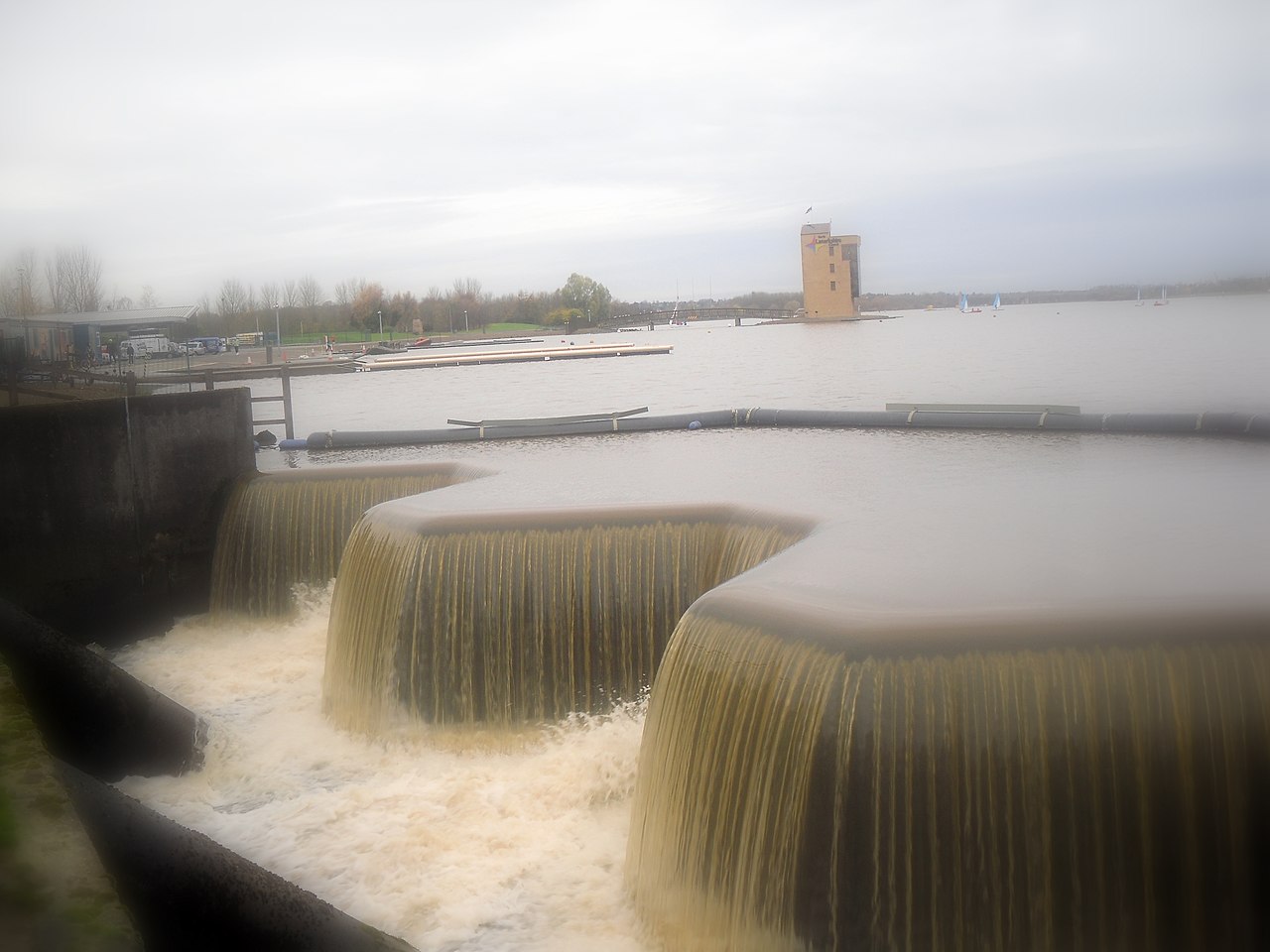


Geography and principal towns
The area includes a mix of suburban and former industrial districts. Towns and settlements commonly associated with North Lanarkshire include:
- Cumbernauld
- Motherwell
- Coatbridge
- Airdrie
- Wishaw, Bellshill and Kilsyth
Landscape varies from built-up residential corridors and retail centres to country parks, river valleys and former mining land that has been reclaimed for leisure or forestry.
History and development
Many towns within the area grew rapidly during the 19th and 20th centuries with coal mining, iron and steel production and heavy engineering. The decline of heavy industry in the late 20th century prompted economic restructuring. Cumbernauld was designated as a post‑war new town and expanded substantially to accommodate overspill from Glasgow. Administrative boundaries were redrawn in 1996 to form the current council area.
Economy, transport and culture
The modern economy is mixed: retail, distribution, public services and light manufacturing now coexist with commuter links to Glasgow and Edinburgh. Rail and road connections are well developed, making the area an important transit and logistics hub. Cultural life reflects industrial heritage with local museums, community arts venues and events; nearby parks such as Strathclyde Country Park offer recreation and sporting facilities.
Governance and notable facts
North Lanarkshire is governed by a unitary council with its administrative centre in Motherwell. The council oversees education, social services, planning and local transport. The area is often noted for its post‑industrial regeneration projects, its role within the larger Glasgow city region, and the blend of urban communities with accessible green spaces.
Related articles
Author
AlegsaOnline.com North Lanarkshire: council area in central Scotland Leandro Alegsa
URL: https://en.alegsaonline.com/art/70897