
United Nations Security Council: roles, structure, and significance
Overview of the United Nations Security Council, its membership, powers to maintain international peace and security, major functions, historical origins, and debates about reform.
The United Nations Security Council (UNSC) is the UN body principally charged with maintaining international peace and security. Created by the UN Charter in 1945, the Council has authority to make decisions that member states are obliged to implement under the Charter. Its actions range from negotiating ceasefires and authorizing peacekeeping operations to imposing sanctions or, in rare cases, approving the use of force.
Image gallery
10 Images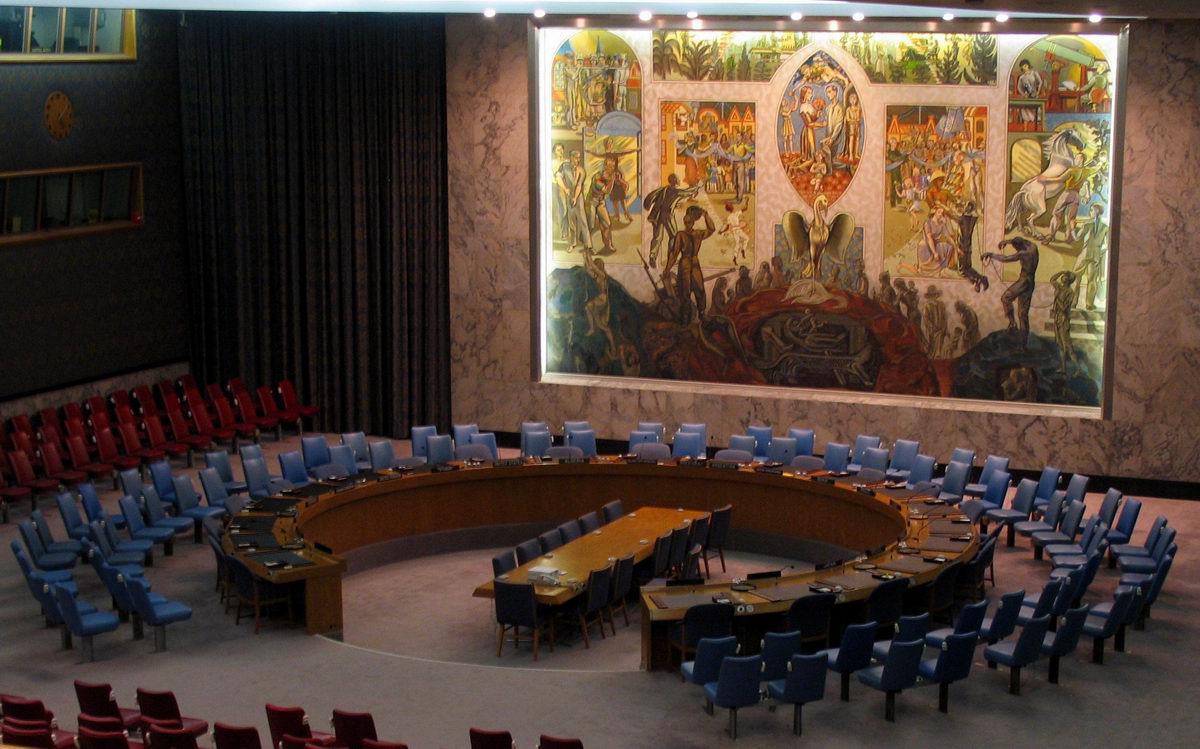




Structure and membership
The Security Council currently consists of fifteen members. Five are permanent members with special status and the power to block substantive decisions by exercising a veto. Ten additional members are elected by the UN General Assembly for two‑year, non‑renewable terms (with the possibility of re-election after an interval). The Council's presidency rotates monthly among all members in English alphabetical order.
Powers and functions
The Council operates under several provisions of the UN Charter. Key functions include:
- Conflict management: calling for ceasefires, facilitating negotiations, and recommending dispute resolution measures.
- Peacekeeping and enforcement: authorizing peacekeeping missions or enforcement actions under Chapter VI and Chapter VII of the Charter.
- Sanctions: imposing measures such as arms embargoes, travel bans, or financial restrictions to influence state or non‑state actors.
- Legal decisions: referring situations to international courts or creating ad hoc tribunals when appropriate.
Resolutions adopted under Chapter VII are considered binding on UN members, while other decisions may be recommendatory or procedural. Day‑to‑day work is carried out in committees, working groups, and through the Council's permanent missions at the UN headquarters.
Origins and development
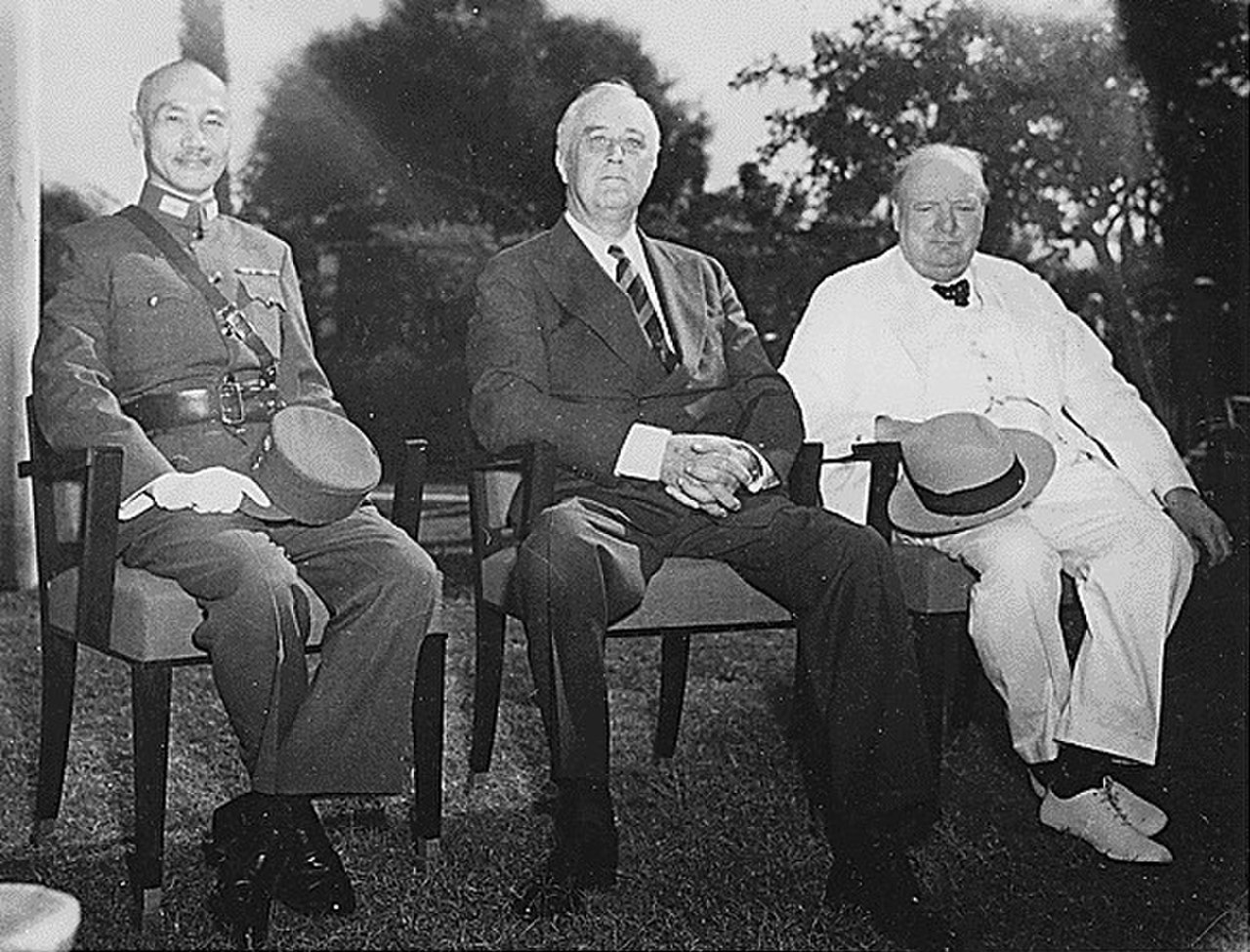
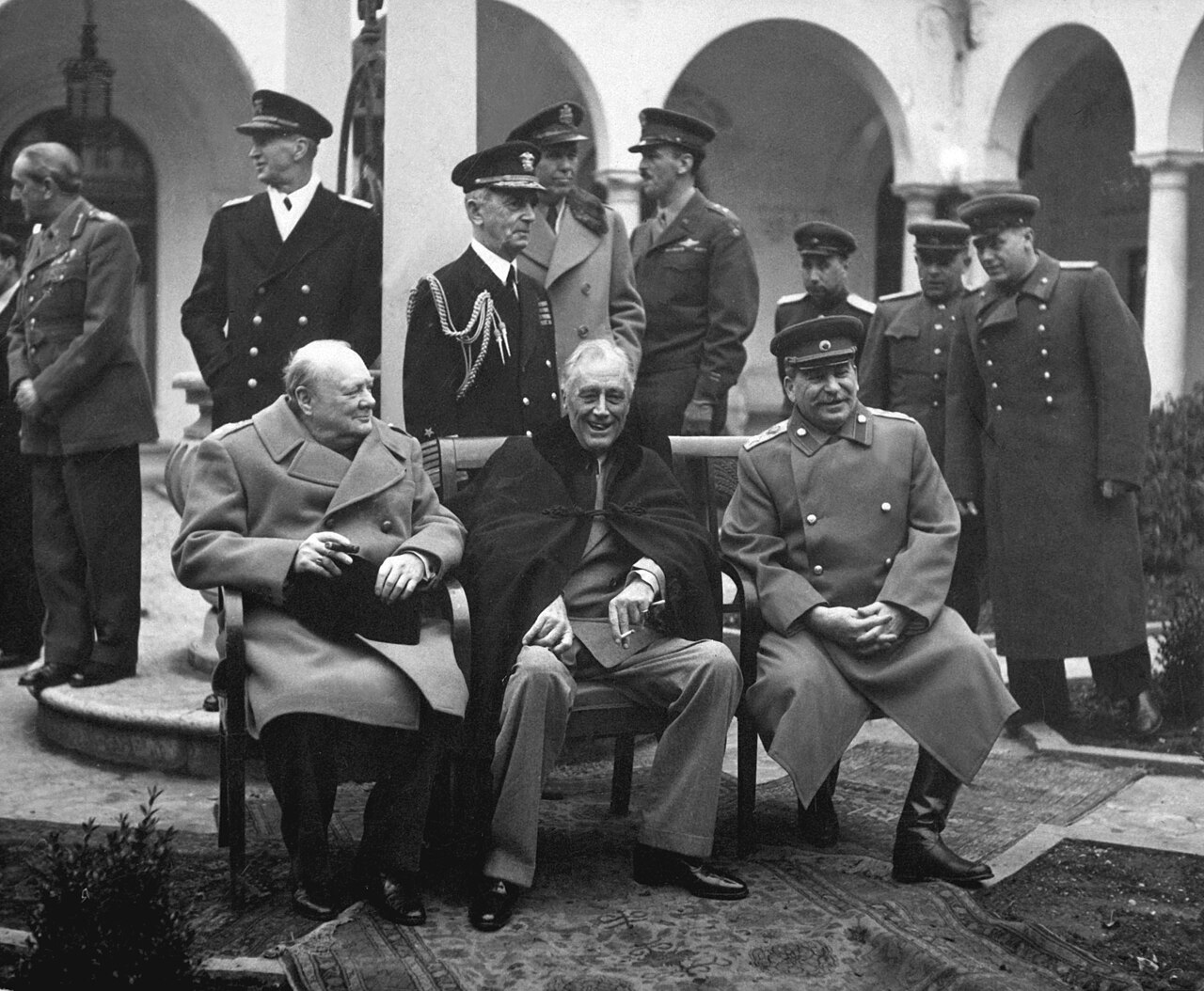
The Council was established at the founding conference of the United Nations in 1945 as a successor to the League of Nations' efforts to prevent war. Its design reflected the geopolitical realities of the immediate post‑war period, granting permanent seats and veto powers to the leading allied powers. Over time the Council's remit expanded to address civil wars, terrorism, proliferation of weapons, and complex humanitarian crises.
Debate about the Council's composition and procedures has been persistent. Critics argue that the permanent membership and veto privilege reflect the 1945 power distribution rather than contemporary international realities, and many proposals have been offered to expand membership, limit veto use, or improve transparency.
Importance, examples, and notable facts
The Security Council plays a central role in international crisis response: it has authorized peacekeeping operations, arms embargoes, and targeted sanctions in numerous conflicts. Its decisions can shape diplomatic pressure, enable international criminal accountability, or provide mandates for humanitarian access. At the same time, deadlock among permanent members can limit action in some crises, highlighting the tension between unanimity among great powers and broader international expectations for effective collective security.
For further institutional information, see the United Nations overview. For material on peace operations consult resources about peacekeeping and for contemporary debate about the Council's role refer to publications on international security.
Related articles
Author
AlegsaOnline.com United Nations Security Council: roles, structure, and significance Leandro Alegsa
URL: https://en.alegsaonline.com/art/102984
Sources
- un.org : "Members of the UNSC"