
North India: geography, culture, history and modern significance
An accessible overview of North India (Hindustan): its landscapes, states, languages, history, economy, culture and relations with neighboring regions.
Overview
North India, often called Hindustan in historical usage, denotes the northern part of the Indian subcontinent with diverse landscapes, languages and cultures. In common regional schemes of the country it is one of five major zones alongside East India, West India and South India. The area combines the vast Indo-Gangetic or North Indian Plain, the lower Himalayan ranges and arid tracts toward the west.
Image gallery
10 Images





Territorial composition
Administratively and culturally North India is composed of several states and union territories. Prominent among them are:
- Himachal Pradesh
- Uttarakhand
- Haryana
- Uttar Pradesh
- Rajasthan
- The National Capital Territory of Delhi
These states contain a mix of high mountain environments, fertile plains and desert margins; some cultural links extend into neighboring areas such as the modern state of Jammu and Kashmir and across the international border into Pakistan.
Geography and climate
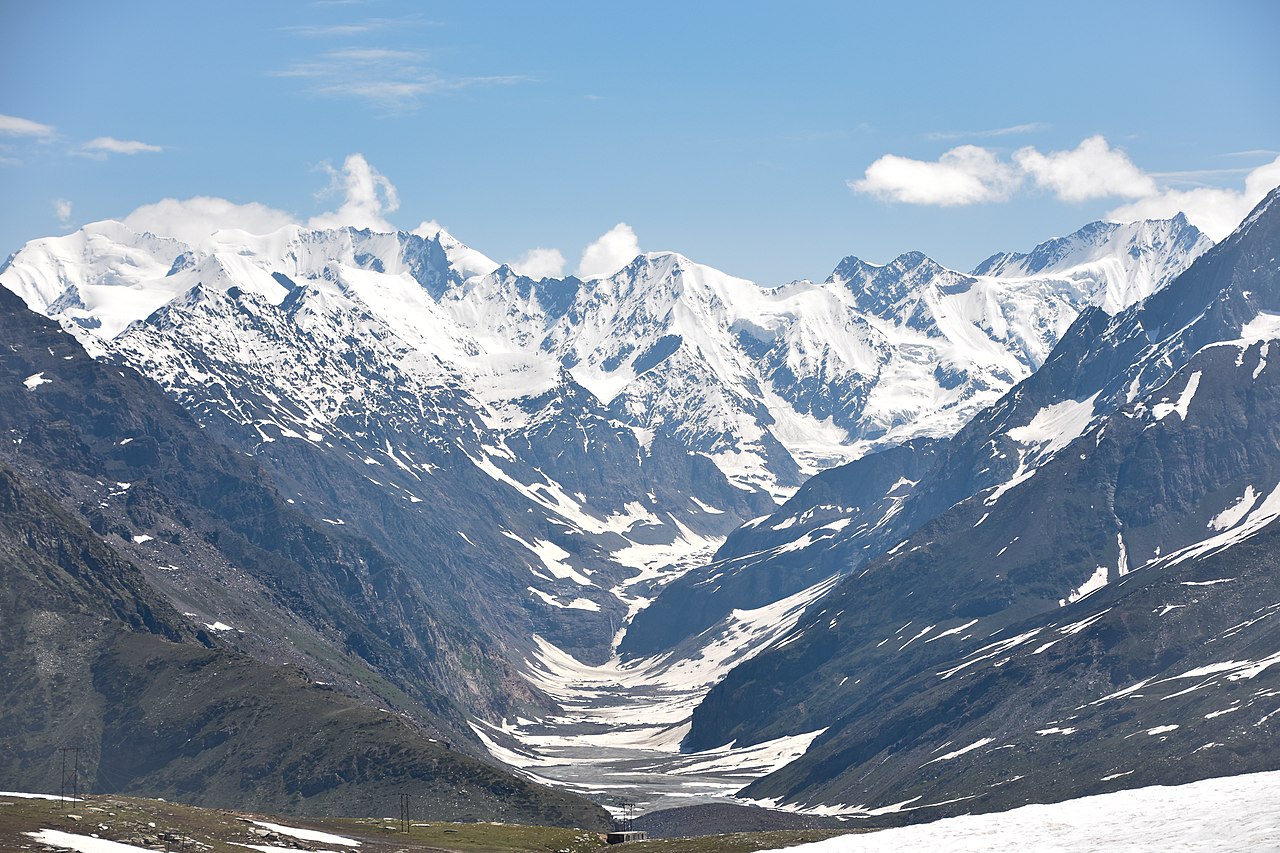
The region ranges from the snow-fed mountains of the Himalaya and their foothills to the extensive alluvial plains formed by the Ganges and its tributaries, and the sandy Thar Desert of western Rajasthan. Climate varies accordingly: alpine conditions in high altitudes, humid subtropical weather across much of the plains with a strong summer monsoon, and arid heat in desert zones. The plains are among South Asia's most agriculturally productive areas.
Language, religion and culture
North India is a principal center for Indo-Aryan languages. Modern Standard Hindi serves as a lingua franca in many parts, while regional tongues such as Punjabi, Urdu, Rajasthani and several Pahari and Central Indo-Aryan dialects remain widely spoken. The region is important to several religions: it is the birthplace and historical centre for major traditions such as Hinduism and Sikhism, and it has long-standing Muslim communities with architectural and cultural legacies from medieval eras. Music, cuisine and festivals in the region — from classical traditions and devotional songs to the vibrant street food cultures of cities — display strong regional variety.
History and development
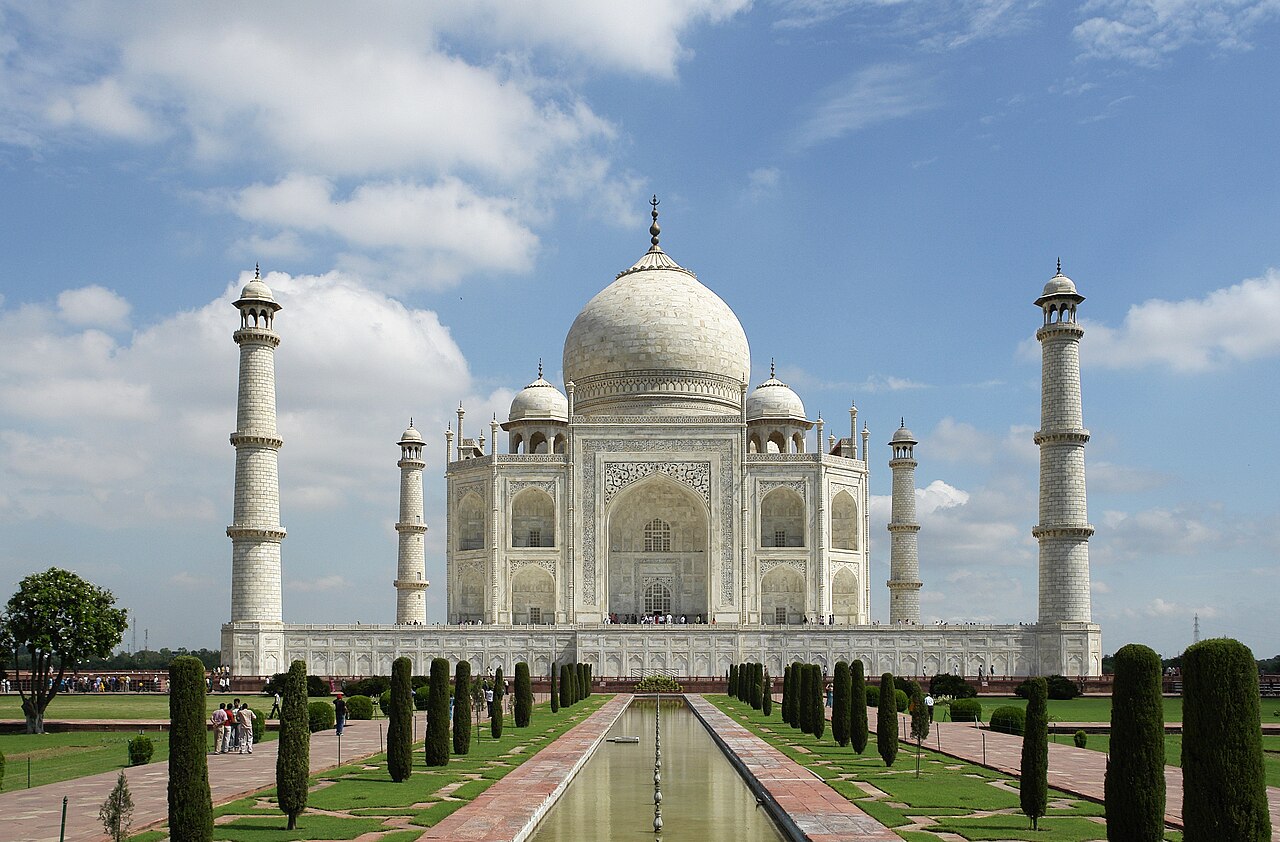
North India's historical narrative spans ancient riverine civilizations, classical kingdoms, medieval empires and colonial rule. Successive large states and empires shaped language, law and architecture: examples include early Vedic societies, pan-Indian imperial centres, the Delhi Sultanate and Mughal state, and later British administration. The partition of the subcontinent in 1947 reconfigured borders and populations in this part of the subcontinent, producing enduring economic and cultural connections across borders.
Economy, cities and modern importance
The region plays a major role in India's economy. The fertile plains support large-scale cereal and cash-crop cultivation and were central to the 20th-century Green Revolution. Urban centres such as Delhi and historic cities in Uttar Pradesh contribute services, manufacturing, tourism and administration. Pilgrimage sites, monuments and living cultural traditions draw domestic and international visitors. North India's politics and media also exert strong influence at the national level.
Distinctions and notable facts
Key contrasts within North India include mountain versus plain lifestyles, agrarian and urban economies, and distinct regional identities that coexist with broader linguistic and cultural ties. Cross-border cultural continuities with Pakistan and historical claims associated with older names such as Hindustan have shaped literature, music and cuisine. For further regional context and official descriptions, readers can consult resources linked to the administrative and geographical names above.
Related articles
Author
AlegsaOnline.com North India: geography, culture, history and modern significance Leandro Alegsa
URL: https://en.alegsaonline.com/art/70884