
Himachal Pradesh: Himalayan state of India
Overview of Himachal Pradesh: geography, history, administration, economy, culture and notable features of the northern Indian state with capital Shimla.
Himachal Pradesh is a mountainous state in northern India noted for its high ranges, hill towns and varied climates. Covering about 55,673 km², it occupies valleys and ridges of the western Himalaya. For a general introduction online see Himachal Pradesh. The state capital is Shimla, a former summer capital of British India that remains the administrative and cultural centre.
Image gallery
10 Images
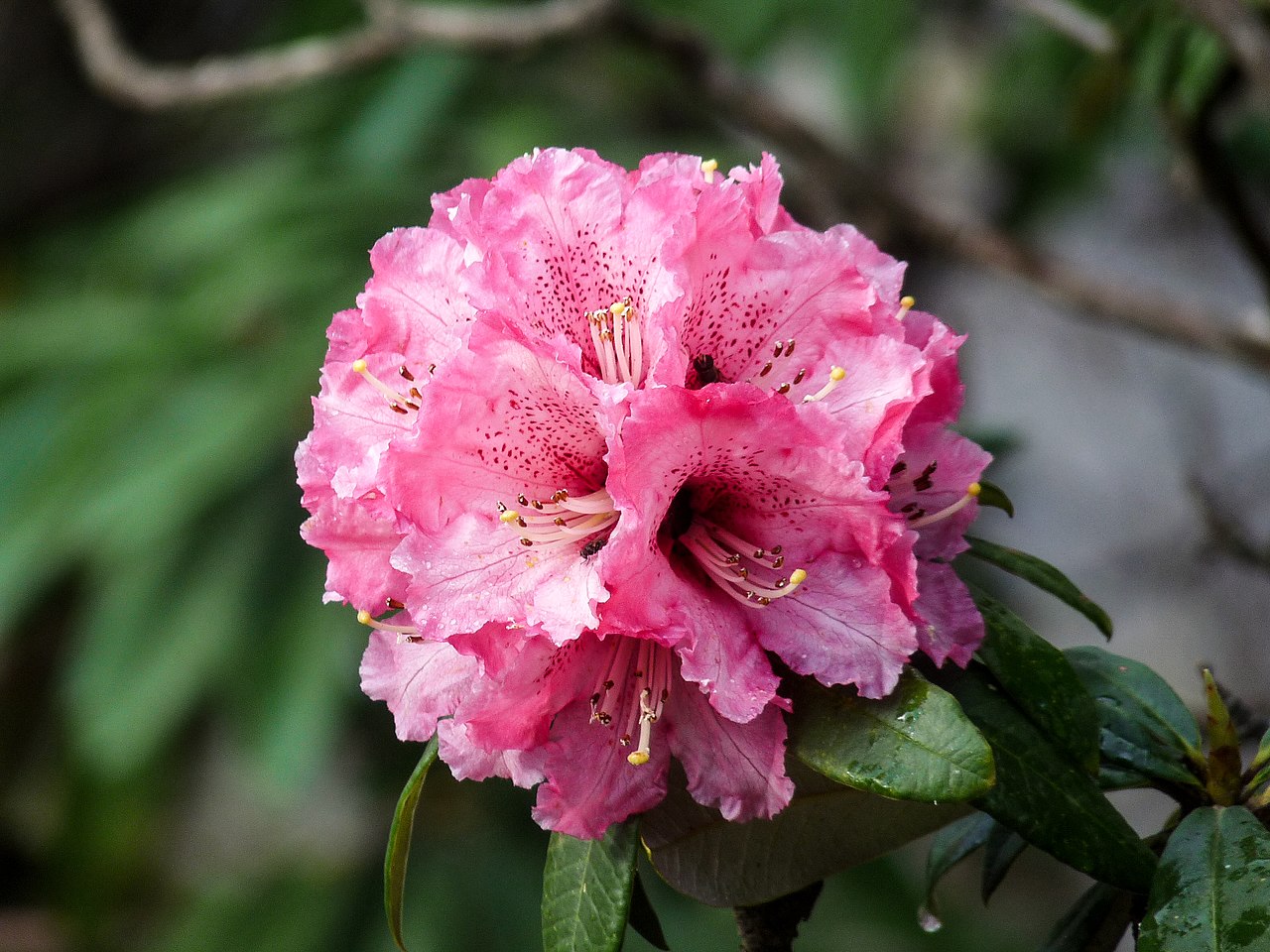
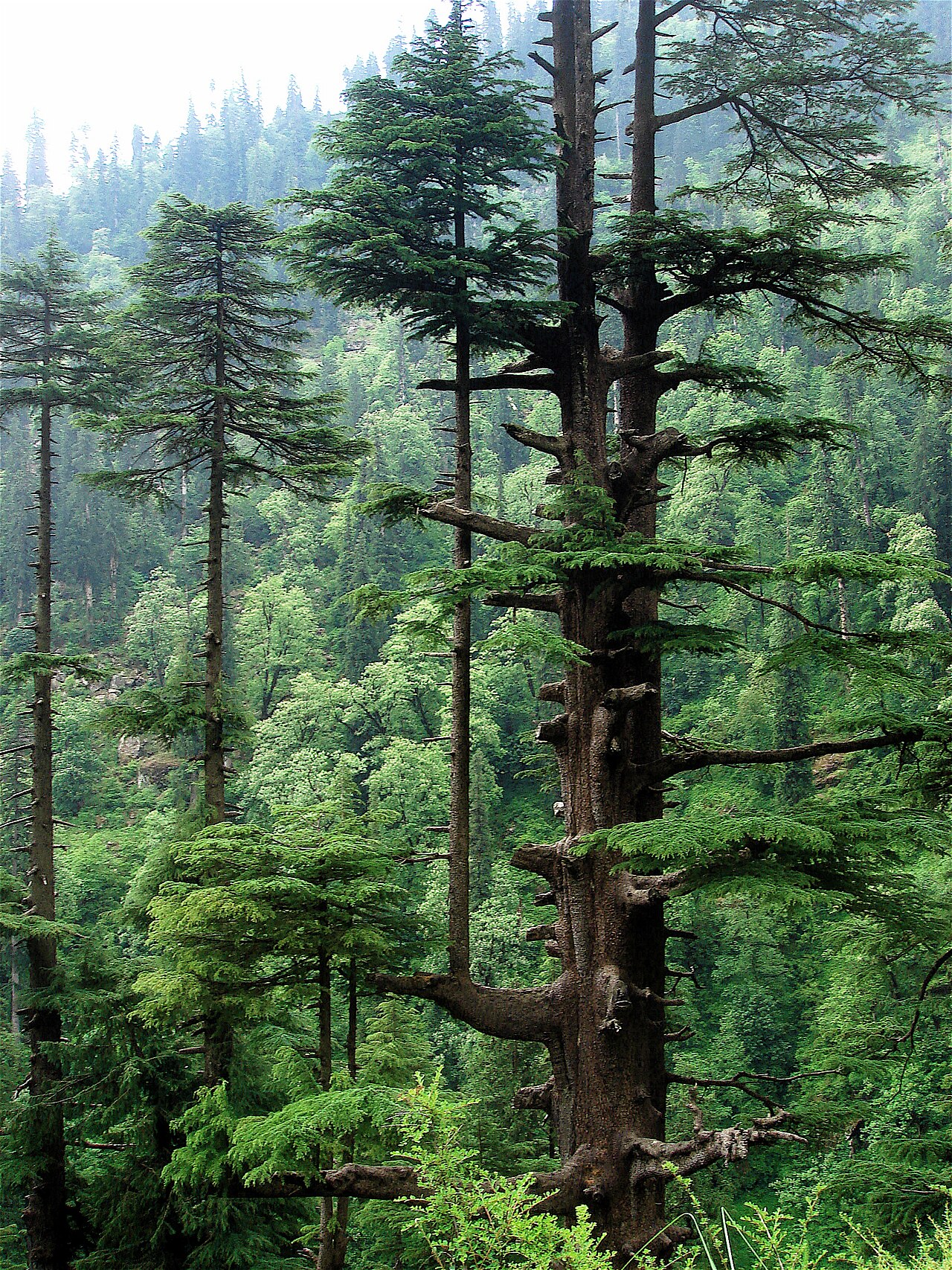


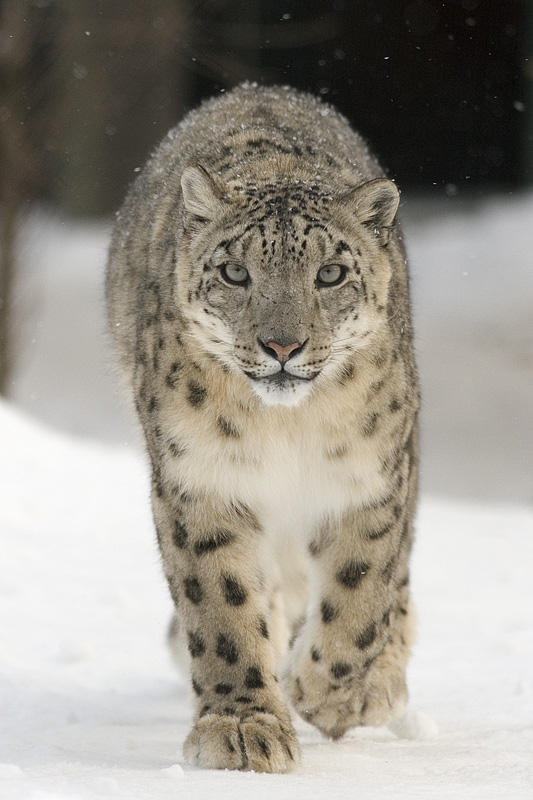
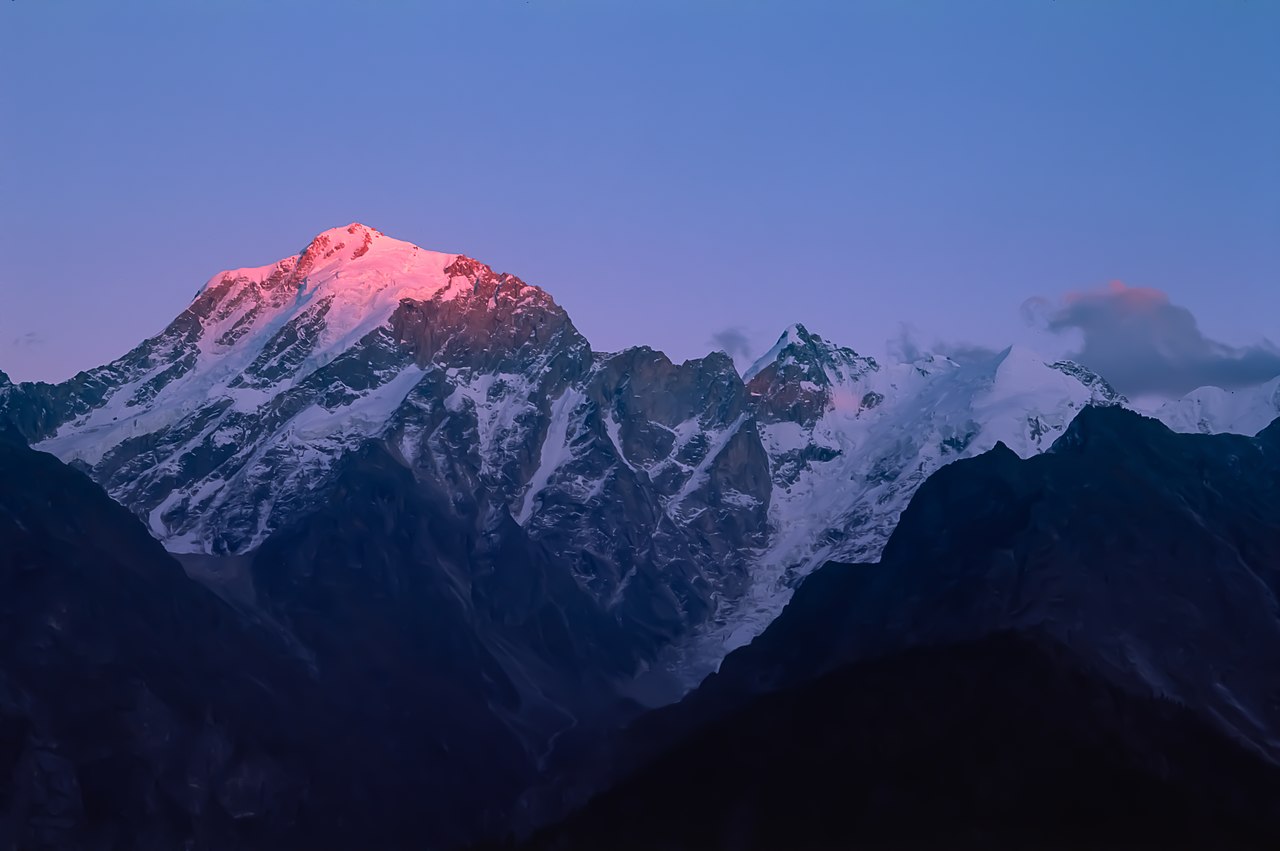
Geography and natural features
The landscape is dominated by steep mountains, deep river valleys and alpine plateaus. Much of the state lies above 1,000 metres and the terrain supports forests of pine, deodar and fir together with alpine meadows. Major rivers and their tributaries cut through the ranges, feeding irrigation and hydroelectric projects. The state borders Jammu and Kashmir to the north; some high-elevation frontier areas adjoin regions claimed by China. In traditional regional schemes it is classed within the North Indian zone, and its mountainous character is often described as part of the Himalayan system.
History and administration
The modern state emerged from a collection of hill princely states and territories reorganised after Indian independence. Parts of the area had been administered with neighbouring Punjab before the reorganisation of states in the mid-20th century; new hill districts were incorporated into Himachal Pradesh, which gained full statehood in the early 1970s. Today it is a parliamentary state of the Republic of India, sharing an international frontier and domestic borders with adjacent states such as Jammu and Kashmir.
Economy, transport and tourism
The economy mixes agriculture, horticulture (notably apple production), forestry, small-scale manufacturing and hydropower. Tourism is a major contributor: hill stations, trekking routes, winter sports and pilgrimage sites attract domestic and international visitors. Popular destinations include Shimla, Manali and lesser-known valleys that offer hiking and cultural experiences.
Culture, ecology and notable facts
Himachal hosts a rich mosaic of local languages, traditional crafts and religious festivals. Its ecosystems range from subtropical foothills to alpine zones, supporting wildlife adapted to steep, cold environments. The state is notable for its combination of strategic frontier geography, scenic tourism and a largely rural population dependent on mountain resources.
- Area: approximately 55,673 km².
- Capital: Shimla.
- Geographical classification: North Indian Himalayan state.
- Border notes: adjacency to Jammu and Kashmir and contested high-altitude sectors near China.
- Further reading: government, tourism and academic sources are available via regional portals (state overview, Himalayan studies).
Questions and answers
Q: Where is Himachal Pradesh located?
A: Himachal Pradesh is located in northern India.
Q: What is the capital of Himachal Pradesh?
A: The capital of Himachal Pradesh is Shimla.
Q: How big is Himachal Pradesh in terms of area?
A: Himachal Pradesh covers an area of 55,673 square kilometres (21,495 square miles).
Q: Is the border of Himachal Pradesh with China still disputed?
A: Yes, the border of Himachal Pradesh with China is still disputed.
Q: What kind of terrain can be found in Himachal Pradesh?
A: Himachal Pradesh contains high mountains.
Q: Which geographical zone does Himachal Pradesh belong to?
A: In traditional Indian geography, Himachal Pradesh falls under the North Indian zone.
Q: What state borders Himachal Pradesh to the north?
A: Jammu and Kashmir borders Himachal Pradesh to the north.
Related articles
Author
AlegsaOnline.com Himachal Pradesh: Himalayan state of India Leandro Alegsa
URL: https://en.alegsaonline.com/art/44250
Sources
- himachalpr.gov.in : Himachal At A Glance - Information Data centre