
West India (Western India)
West India is a regional term for the western portion of the Republic of India. Definitions vary, but the area is known for major ports, diverse landscapes, and rich cultural traditions.
Overview
"West India" or "Western India" denotes the western part of the Republic of India. The term is used in different ways by governments, geographers and the public. Commonly cited components include the states of Gujarat and Maharashtra, with other neighbouring states or territories sometimes counted as part of the region.
Image gallery
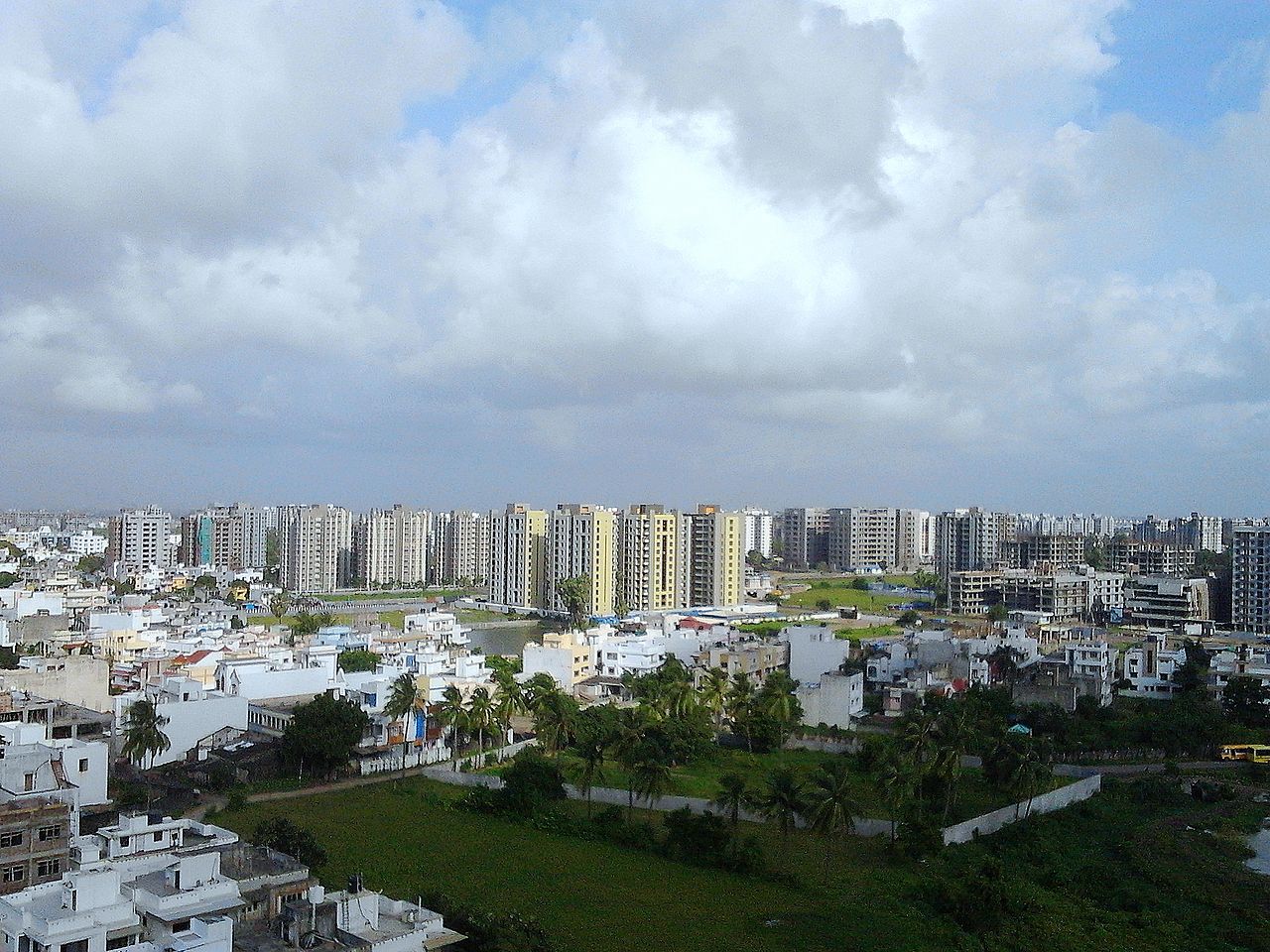
10 Images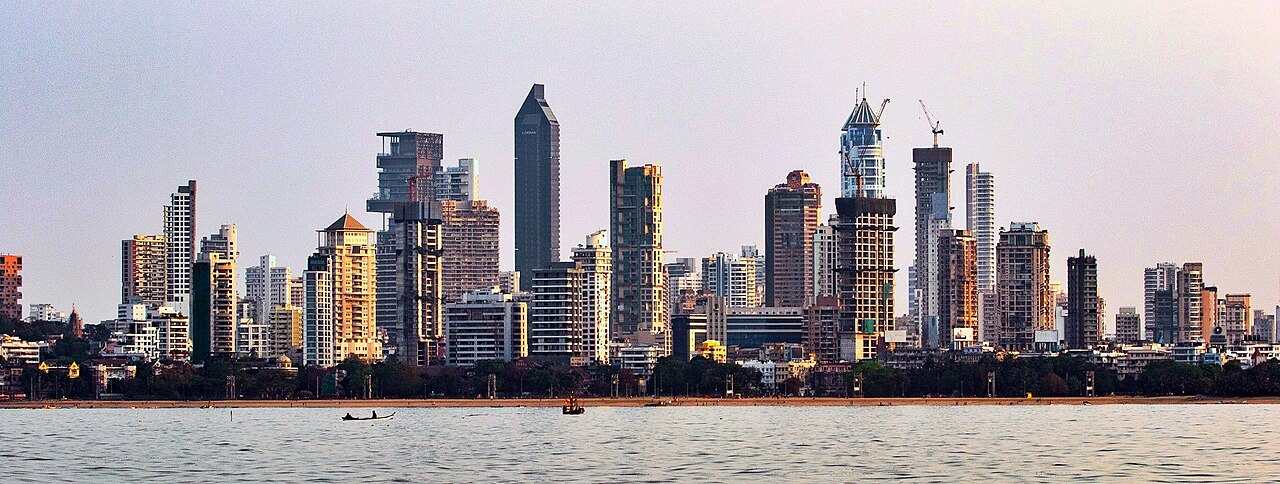




Geography and environment
The region stretches from the Arabian Sea inland to plateaus and semi-arid zones. Key physical features include coastal plains and major mountain ranges such as the Western Ghats on Maharashtra's western edge. Climatic conditions range from humid coastal weather to drier interior plains.
History and development
Western India has a long history of maritime trade, urban growth and political change. Historic port cities engaged with Arabian Sea trade routes, and later colonial-era administrative units concentrated commerce and industry in ports and port-linked cities. Regional polities, including the Maratha confederacy, played a central role in the area’s modern development.
Economy and major urban centres
The area includes some of India’s largest economic hubs and busiest ports, combining manufacturing, finance, commerce and agriculture. Mumbai in Maharashtra is a principal financial and cultural centre. Coastal Gujarat has major ports and industrial corridors, while urbanisation and inland trade networks link to neighbouring states.
Culture, languages and society
Cultural life in the west is diverse: languages such as Gujarati and Marathi are prominent alongside many minority languages and dialects. Religious festivals, distinctive musical and theatrical traditions, and culinary varieties (from coastal seafood to regional vegetarian cuisines) are important markers of local identity.
Definitions and administrative notes
There is no single authoritative boundary for "West India." Different official and academic sources may include or exclude neighbouring units. Some listings also reference central states such as Madhya Pradesh or small union territories like Dadra and Nagar Haveli and Daman and Diu. Readers should check the context (administrative, cultural or geographic) to see which definition is being applied.
- Typical components cited: Gujarat, Maharashtra, occasionally parts of adjacent states
- Notable features: major ports, diverse coasts and plateaus, strong urban economies
Related articles
Author
AlegsaOnline.com West India (Western India) Leandro Alegsa
URL: https://en.alegsaonline.com/art/107394