
East India — region, states, culture, and significance
Overview of East India: its states, geography, languages, history and economic importance, including cultural links with Bengal and neighbouring regions.
Overview
East India denotes the eastern part of the Republic of India, a region made up of several adjacent states that share historical ties, riverine plains and a range of cultural traditions. In modern administrative terms it normally comprises five states, listed below, each with its own identity and economy.
Image gallery
10 Images


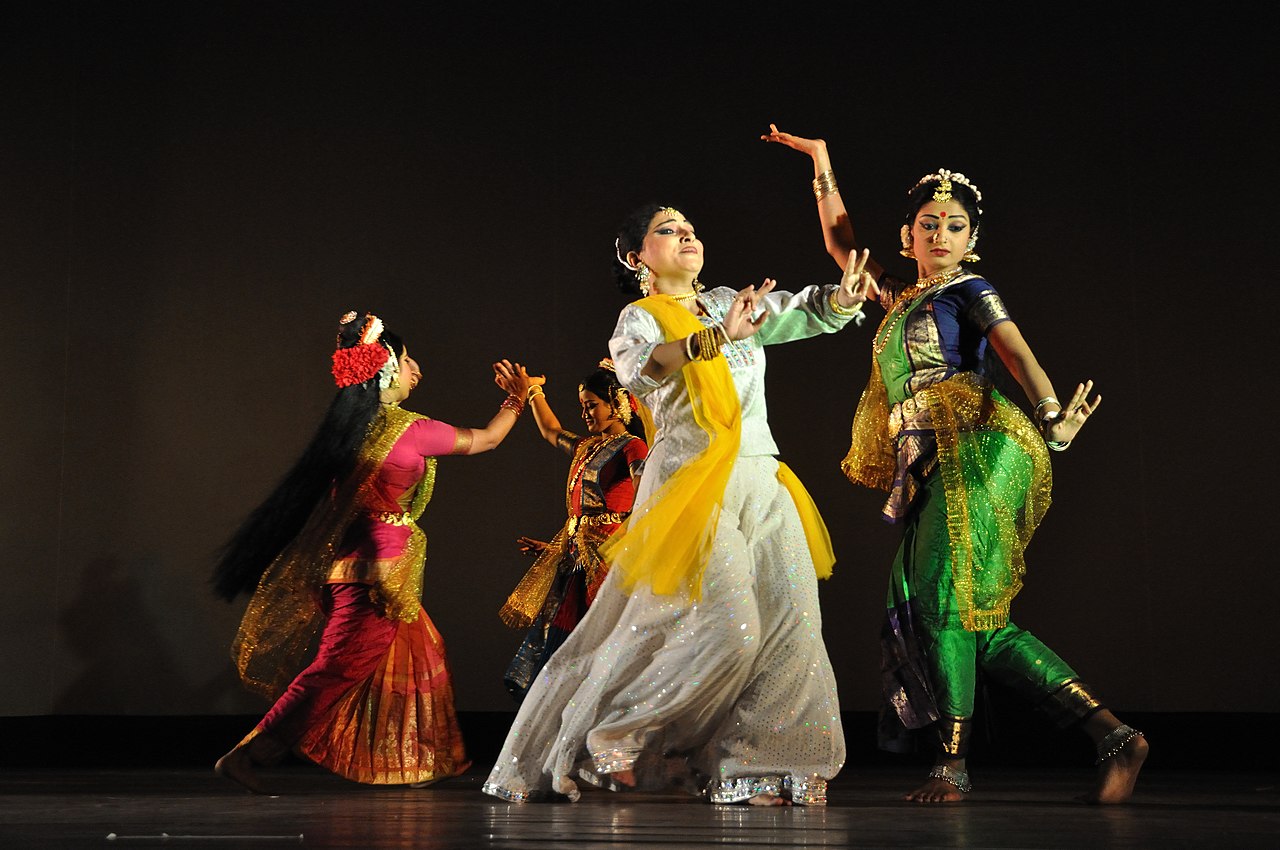


Constituent states
These states present contrasts: fertile Gangetic plains in parts of Bihar and West Bengal, the mineral-rich Chota Nagpur plateau that spans Jharkhand and neighbouring areas, and a long coastline along Odisha and West Bengal opening onto the Bay of Bengal.
Culture and languages
The region is linguistically and culturally diverse. Bengali and Odia are the principal regional languages in West Bengal and Odisha respectively, while Hindi and several Eastern Indo-Aryan dialects are widely spoken in Bihar. Tribal and Austroasiatic languages are important in Jharkhand and parts of Chhattisgarh. West Bengal and Odisha share customs and cultural continuities with Bangladesh and maintain links with neighbouring states such as Assam.
History and development
Historically, much of present-day East India lay within the larger cultural area known as Bengal, which before 1947 included territories that now form Bangladesh. Colonial-era administration and trade, followed by the partition of the subcontinent, reshaped political boundaries and demographic patterns. Industrialisation in the 20th century concentrated on coal, iron and steel around the Chota Nagpur belt and on port and trade facilities centered on Kolkata.
Economy and environment
Agriculture remains an economic backbone—rice, pulses and oilseeds are widely cultivated—while mineral extraction, manufacturing, fishing and port services are significant in different states. The region contains notable natural features such as the Sundarbans mangrove area on the delta and extensive river systems that influence settlement and livelihoods.
Notable distinctions
East India is marked by a mix of dense urban centres and large rural populations, persistent socio-economic challenges in some areas, vibrant artistic traditions, and important ecological zones. Its cultural connections across modern borders continue to shape language, music, cuisine and festival life.
Questions and answers
Q: What is the East India region?
A: The East India region is a region in the Republic of India that includes the states of Bihar, Chhattisgarh, Jharkhand, Orissa, and West Bengal.
Q: Which states are included in the East India region?
A: The states included in the East India region are Bihar, Chhattisgarh, Jharkhand, Orissa, and West Bengal.
Q: What are some cultural and linguistic characteristics shared by Orissa and West Bengal?
A: Orissa and West Bengal share some cultural and linguistic characteristics with Bangladesh and the state of Assam.
Q: What continent is the Republic of India located in?
A: The Republic of India is located in Asia.
Q: What is the ethno-linguistic region that West Bengal and Bangladesh formed before partition in 1947?
A: West Bengal and Bangladesh formed the ethno-linguistic region of Bengal before partition in 1947.
Q: What happened in 1947 in relation to West Bengal and Bangladesh?
A: In 1947, West Bengal and Bangladesh were partitioned.
Q: What are the states that share cultural and linguistic characteristics with Bangladesh and Assam?
A: The states that share cultural and linguistic characteristics with Bangladesh and Assam are Orissa and West Bengal.
Related articles
Author
AlegsaOnline.com East India — region, states, culture, and significance Leandro Alegsa
URL: https://en.alegsaonline.com/art/29664
Sources
- gov.bih.nic.in : "State Profile"
- in.reuters.com : "Food riots, anger as floods swamp South Asia"