
Norrland: geography, people, climate and history of northern Sweden
Norrland is Sweden's northernmost and largest region by area. This article outlines its geography, counties, population patterns, climate phenomena, history and cultural and economic significance.
Overview
Norrland is the term used for the northernmost major region of Sweden. It forms one of the country’s three large lands, alongside Götaland and Svealand. Norrland covers a majority of Sweden’s surface area—often cited at about 59%—but contains only a small share of the national population, commonly given as around 12%. The region is known for its vast forests, mountains, and sparsely settled spaces, as well as distinctive seasonal light conditions.
Image gallery
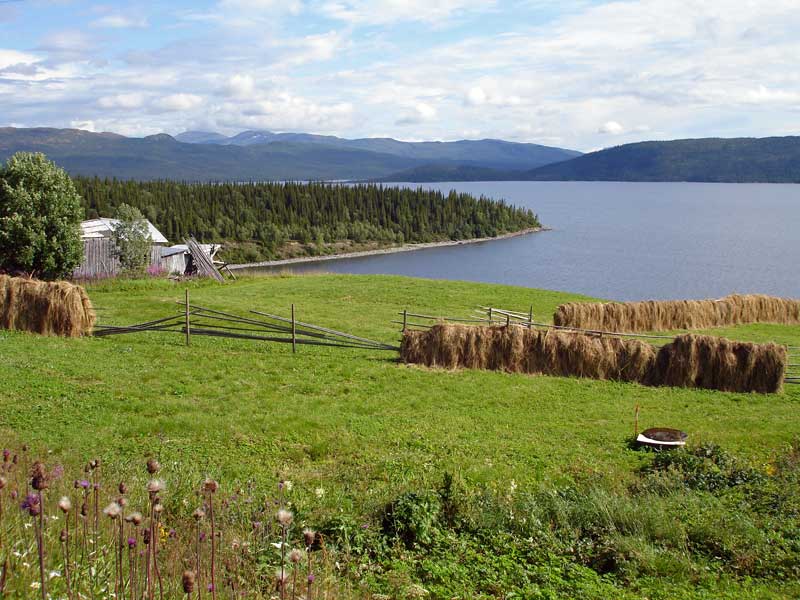
2 Images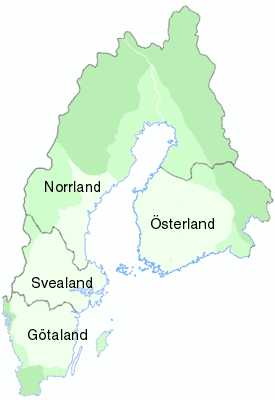
Administrative divisions and major places
Contemporary Norrland encompasses several Swedish counties (län). The counties most commonly associated with the region include:
Locally, the expression "Upper Norrland" is used for the two northernmost counties, Västerbotten and Norrbotten. Major urban centers in the region include Umeå, among others, while many communities remain small and rural.
Landscape, climate and natural phenomena
Norrland’s landscape changes from coastal archipelagos in the east to boreal forests (taiga) and finally to mountain ranges along the border with Norway. The area hosts a range of ecosystems and is valued for wild nature and outdoor recreation. Several striking light and climate-related phenomena are associated with the high latitudes of Norrland, including:
- Midnight sun in summer at the highest latitudes
- Polar night periods in winter north of the Arctic Circle
- Auroral displays (the Northern Lights)
General references to these phenomena appear in many guides and summaries of the region; they are part of what draws visitors interested in natural spectacle and long daylight or night periods. The region’s characteristic scenery is often highlighted in descriptions and travel literature (landscape, phenomena).
History and cultural notes
The cultural and administrative concept of Norrland developed over centuries as Sweden expanded northward. Historically, parts of northern Finland were sometimes administratively or culturally connected with Norrland; shifting borders and political changes across the Nordic region have influenced the area's identity. Indigenous Sámi communities have lived in parts of Norrland for millennia and maintain distinct languages, livelihoods and traditions alongside Swedish-speaking populations.
Economy, land use and modern importance
Norrland’s economy has long been linked to natural resources: forestry, mining, hydropower and seasonal tourism are important activities. Large tracts of low-density land make it central to Sweden’s timber and energy sectors. At the same time, low overall population density presents challenges for services, transport and demographic balance.
Further reading and resources
Scholarly, governmental and travel sources provide more detail on topics such as regional planning, indigenous rights, and environmental protection. General introductions and official county pages offer practical information for visitors and residents (Norrland overview, historic ties to Finland, Jämtland, Västernorrland). For cultural events and urban life, consult material on individual cities and institutions (Gävleborg, Västerbotten, Norrbotten, Umeå).
Norrland continues to be a region of contrasts: immense natural landscapes with small, scattered communities; economic importance for raw materials and energy; and a rich mix of local and indigenous cultures shaped by northern climates and long histories.
Related articles
Author
AlegsaOnline.com Norrland: geography, people, climate and history of northern Sweden Leandro Alegsa
URL: https://en.alegsaonline.com/art/70788