
Götaland: southern land of Sweden and its historic provinces
Götaland is the southern of Sweden’s three major lands, made up of ten historic provinces. This article summarizes its geography, provinces, history, economy and cultural distinctiveness.
Overview
Götaland is one of Sweden’s three traditional lands, occupying the southern portion of the country and forming a distinct cultural and geographical region within Sweden. The name recalls the medieval Geats (Old Norse Gautar), a North Germanic people associated with the area. In contemporary usage Götaland is a historical and cultural concept rather than a single administrative unit.
Image gallery
7 Images


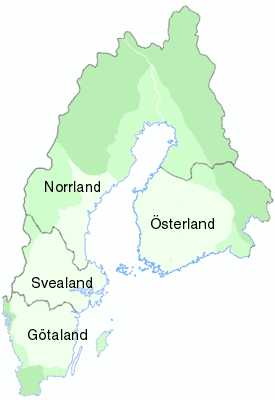

Provinces that make up Götaland
The region consists of ten historical provinces. These are often cited together when discussing heritage, dialects and regional identity:
Geography and economy
Götaland spans coastal archipelagos, fertile plains, forested highlands and islands in the Baltic Sea. Skåne in the south is notable for productive farmland, while western coastal areas host important ports and shipbuilding. Interior provinces such as Småland and Dalsland include extensive forests and glass-making traditions. Tourism, agriculture, forestry, manufacturing and maritime trade are all important to the regional economy.
History and development
Historically the area was associated with the Geats and played a central role in the formation of the medieval Swedish kingdom. Over centuries political boundaries shifted, and later administrative counties (län) were layered on top of the older provincial divisions. Many archaeological sites, runestones and medieval churches in Götaland reflect its long human settlement and strategic importance in Baltic and North Sea trade.
Culture, identity and modern usage
Götaland remains a useful way to describe shared dialect features, folk traditions and regional identity distinct from northern Sweden (Norrland) and central Sweden (Svealand). Major urban centers in the area include Malmö, Gothenburg and Linköping, while Gotland and Öland are well known for summer tourism and historic towns such as Visby. Administratively the historic provinces are used mainly for cultural, historical and statistical purposes rather than government.
Notable distinctions
- Historical people: the Geats (Götar) are linked to early accounts of the region.
- Provinces vs. counties: the historic provinces listed above differ from modern counties and municipal boundaries.
- Maritime role: coastal provinces have long been gateways for trade across the Baltic and North Seas.
Related articles
Author
AlegsaOnline.com Götaland: southern land of Sweden and its historic provinces Leandro Alegsa
URL: https://en.alegsaonline.com/art/39854