
Västernorrland County (Västernorrlands län) — overview, geography and administration
Västernorrland County in northern Sweden, seated in Härnösand, is a coastal and forested region formed in 1634. This article outlines its geography, history, economy, municipalities and administrative structure.
Overview
Västernorrland County (Västernorrlands län) is an administrative county in northern Sweden with its county seat in Härnösand. It was created as part of Sweden's provincial organization in 1634. The county covers parts of the historic provinces of Ångermanland and Medelpad and combines coastal archipelago landscapes with inland forests and river valleys.
Image gallery
3 Images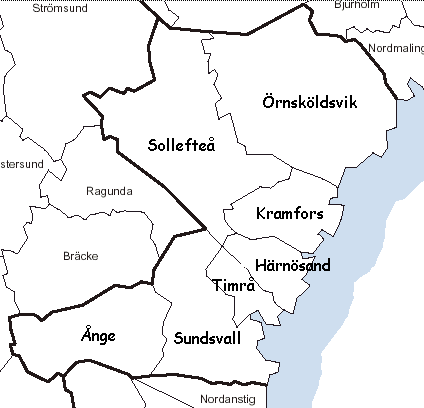

Geography and environment
The county stretches along the Gulf of Bothnia and includes a long, indented coastline with islands and skerries. Inland areas are dominated by coniferous forests, wetlands and several prominent rivers that have shaped settlement and industry. The mix of coastal and forest environments supports fisheries, forestry and a range of outdoor recreation opportunities from boating to hiking.
History and development
Established in the 17th century as part of a national administrative reform, Västernorrland has evolved from a collection of rural parishes and small ports into a region with larger urban centres. Industrialization in the 19th and 20th centuries brought sawmills, shipbuilding and later diversified manufacturing, while hydroelectric development on major rivers influenced local economies.
Administration and municipalities
Public services are shared between the County Administrative Board in Härnösand and the regional council responsible for healthcare and transport. The county comprises several municipalities, including:
- Härnösand
- Sundsvall
- Timrå
- Örnsköldsvik
- Kramfors
- Sollefteå
- Ånge
Economy, transport and culture
The local economy mixes primary industries (forestry and fishing), manufacturing and services. Coastal cities serve as commercial and cultural hubs; regional transport links include major roads, rail connections and airports that link the county to the rest of Sweden. Cultural life reflects coastal and inland traditions, with festivals, museums and outdoor pursuits playing important roles in community identity.
For travelers and researchers, Västernorrland offers a combination of maritime scenery, forested countryside and small-city amenities. Further information about administrative functions and regional initiatives can be obtained from official county and municipal sources as well as regional tourism organizations (county information).
Related articles
Author
AlegsaOnline.com Västernorrland County (Västernorrlands län) — overview, geography and administration Leandro Alegsa
URL: https://en.alegsaonline.com/art/104343
Sources
- scb.se : "Kvartal 1 2011"