
Landscape: natural features, ecosystems, and human-made environments
Overview of landscapes: how landforms, vegetation, wildlife and human-built features interact across scales and seasons to shape ecological function, visual character, and cultural meaning.
A landscape is the visible arrangement of land and the features on it as perceived from a particular viewpoint. It combines natural elements, living organisms and human-made features into a single visual and functional scene.
Image gallery
10 Images





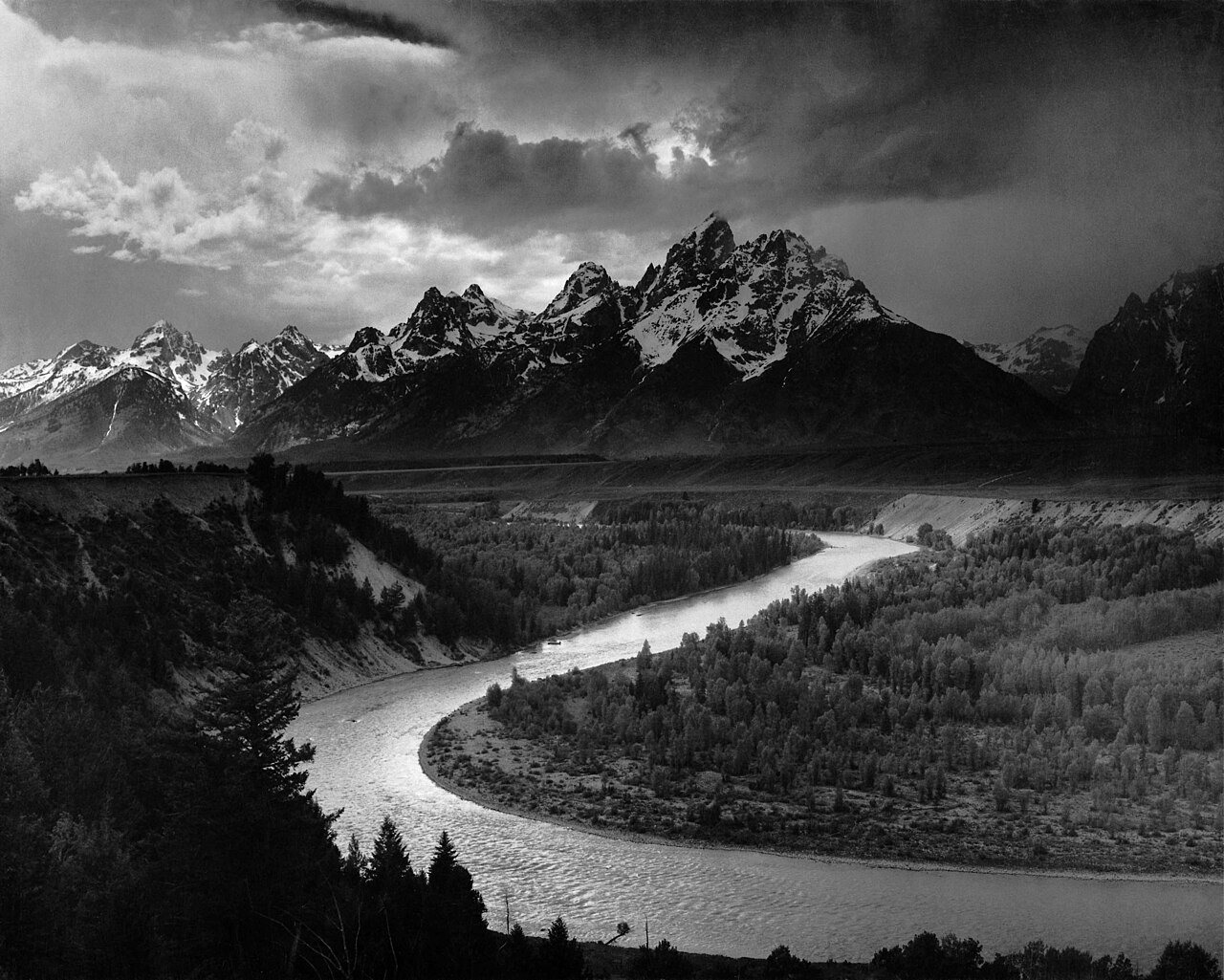


Key components
- Physical formations such as hills, valleys, rivers and other landforms.
- Plant communities and vegetation commonly referred to as flora.
- Wild and domestic animals that inhabit the area, or its fauna.
Changing conditions and scale
Light and weather are integral to how a landscape appears; the same place can look very different at different times of day or in different seasons. Landscapes can be described at many scales, from a single garden to an entire region.
Human influence
Human activities and constructions—roads, buildings, agricultural fields and managed parks—are part of many landscapes. The ways people use and modify land affect ecological function, visual character and cultural meanings associated with a place.
Perception and use
How a landscape is understood depends on cultural, ecological and economic perspectives. It can be valued for beauty, habitat, resources or recreation. In some contexts, interiors or built environments are considered landscapes when perceived as cohesive visual or functional settings.
Questions and answers
Q: What is a landscape?
A: A landscape is an area of land that includes landforms, flora, fauna, human elements, and sometimes objects inside buildings.
Q: What are the components of a landscape?
A: The components of a landscape are landforms, flora, fauna, human elements, and sometimes objects inside buildings.
Q: Do lighting and weather conditions form part of a landscape?
A: Yes, lighting and weather conditions form part of a landscape.
Q: Can human activity and the built environment be considered as part of a landscape?
A: Yes, human activity and the built environment can be considered as part of a landscape.
Q: What does the term "landforms" refer to in the context of landscapes?
A: The term "landforms" refers to the natural physical features of a landscape such as mountains, hills, valleys, and water bodies.
Q: What is the significance of the components of a landscape?
A: The components of a landscape help to define and shape the area and contribute to its aesthetic appeal.
Q: How can the objects inside the building be considered part of a landscape?
A: Objects inside a building such as art, sculpture, or furniture can contribute to the visual impact and overall aesthetic appeal of the landscape.
Related articles
Author
AlegsaOnline.com Landscape: natural features, ecosystems, and human-made environments Leandro Alegsa
URL: https://en.alegsaonline.com/art/55845