
Octane rating: what it means for gasoline, engines, and fuel performance
Octane rating measures a fuel's resistance to knock (auto-ignition). This article explains how ratings are determined, the difference between RON/MON/AKI, historical additives, and why drivers and engines care.
Overview
The octane rating of a gasoline or petrol is a standardized indicator of how resistant that fuel is to premature ignition (knocking) under compression. In internal combustion engines, fuel should burn when ignited by the spark plug; if it ignites earlier because of pressure and heat, the result is a sharp shock wave commonly called knock or detonation. Octane numbers are used to match fuels to engines with different compression ratios and to guide refiners and drivers in choosing appropriate fuel.
Image gallery
4 Images
How ratings are measured
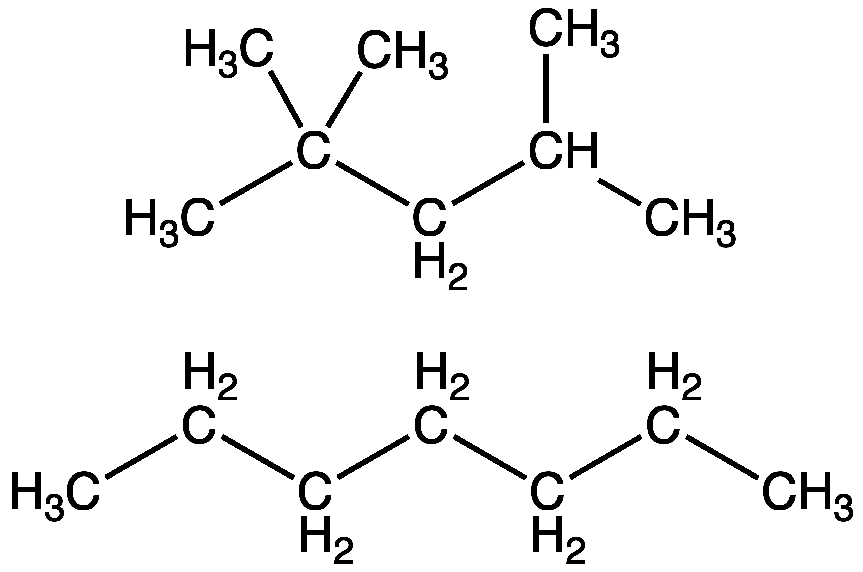
Octane ratings come from laboratory engine tests that compare a fuel's tendency to knock with reference hydrocarbon mixtures. Historically, pure iso-octane is assigned an octane number of 100 and n-heptane is assigned 0; a fuel that behaves like a mixture of 90% iso-octane and 10% n-heptane is given an octane rating of 90. Different test methods yield different reported values:
- Research octane number (RON) — measured by a test engine at lower speeds and milder conditions.
- Motor octane number (MON) — measured at higher engine speed and temperature; typically a few points lower than RON.
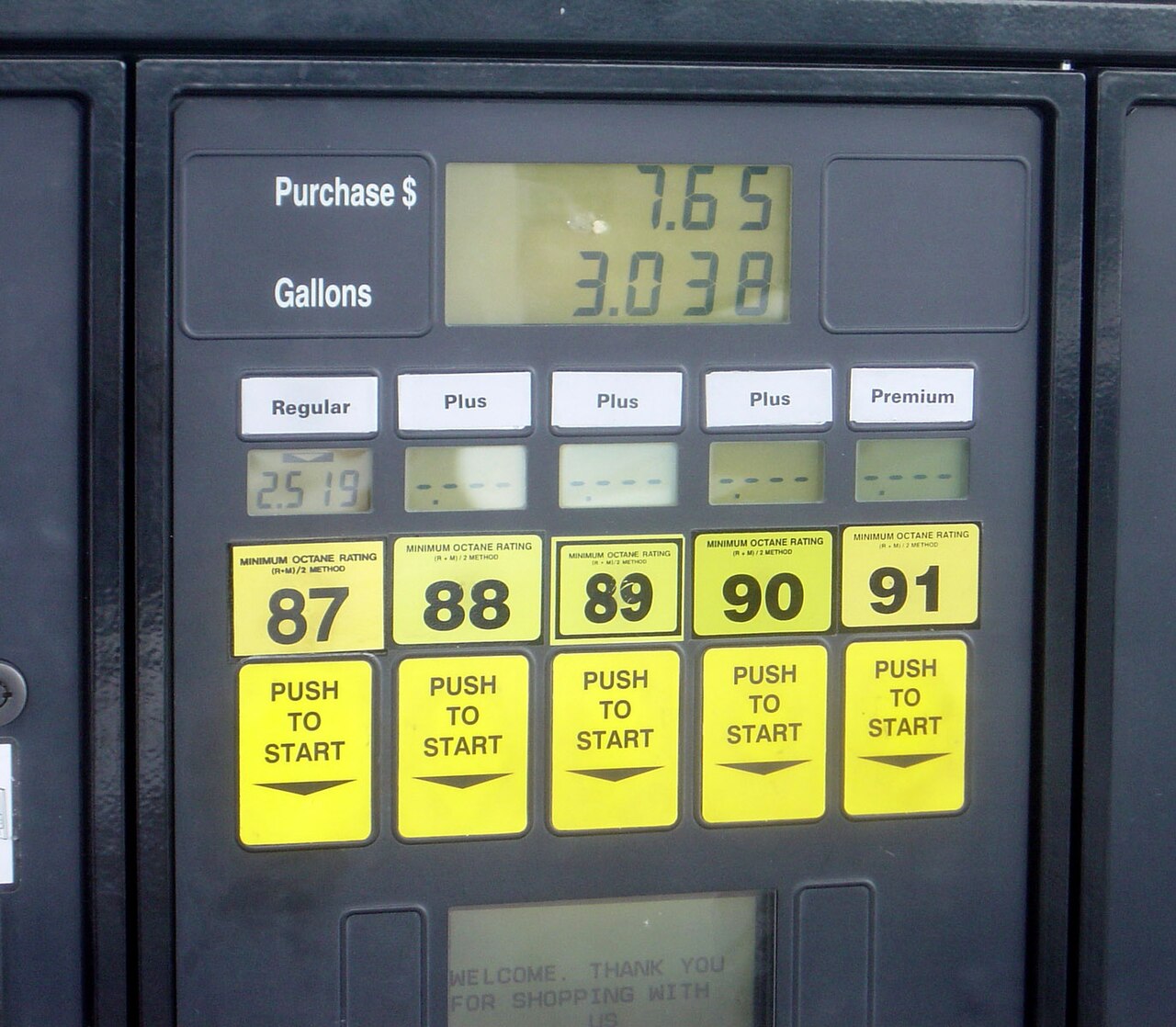
- Anti‑knock index (AKI) — used at retail pumps in some countries; AKI is the arithmetic average of RON and MON and is often shown as (R+M)/2 on stations.
Why octane matters
Higher-octane fuels resist auto‑ignition and therefore allow engines to run at higher compression ratios or with forced induction (turbochargers, superchargers) without suffering knock. Knock reduces efficiency and, if severe or prolonged, can damage pistons, valves, and bearings. Modern high‑performance and many newer downsized engines are designed to benefit from higher-octane fuel. Conversely, using higher-octane fuel than the engine requires rarely improves fuel economy or power in engines designed for regular fuel.
History, additives and fuel blending
Historically, tetraethyl lead raised octane but was phased out worldwide because of health and environmental harms. Refiners now increase octane through reforming, isomerization, blending of higher-octane components, and the addition of oxygenates or detergents. Ethanol has a relatively high octane rating and is commonly blended into gasoline to raise octane levels while also influencing emissions and fuel properties. Fuel specifications and additive packages vary by country and season.
Practical guidance and notable distinctions
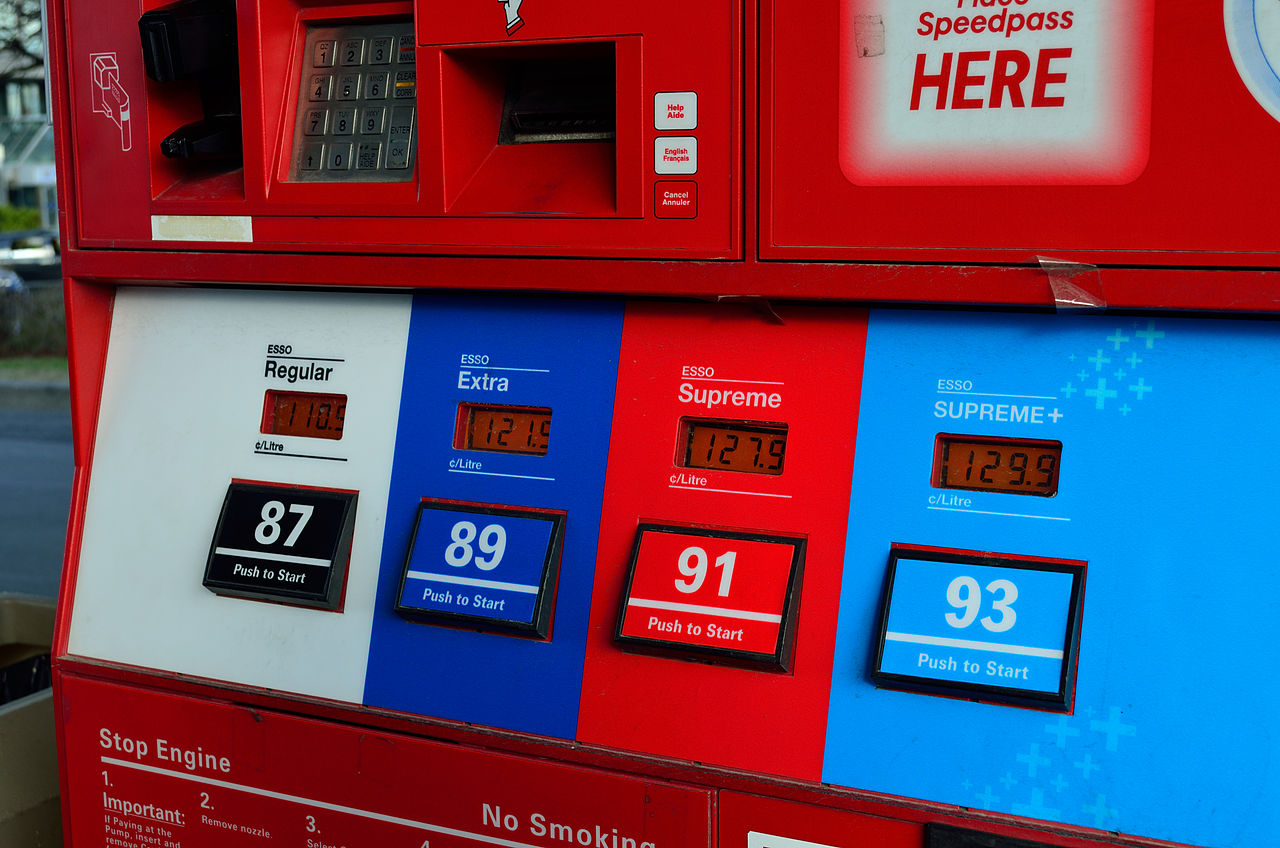
When choosing fuel, follow the vehicle manufacturer's recommendation. Many markets present octane numbers differently: for example, some countries display RON on pumps while others use AKI; consequently a pump label of 87 in one country does not correspond exactly to an 87 label elsewhere. Typical pump labels include regular, midgrade and premium grades; common numbers seen at retail today include values such as 87, 89, 91–93 depending on the system used. For technical comparisons and regulations consult testing standards and fuel specifications provided by authorities or manufacturers: fuel standards, engine manufacturer guidance, and laboratory test methods.
Summary and further reading
Octane rating is a practical measure of how a fuel behaves under compression and an important parameter for engine design, performance and fuel choice. It is determined by standardized laboratory tests and expressed in several related numbers (RON, MON, AKI). For more detailed technical or historical background consult industry sources and regulatory documents: technical references.
Related articles
Author
AlegsaOnline.com Octane rating: what it means for gasoline, engines, and fuel performance Leandro Alegsa
URL: https://en.alegsaonline.com/art/71886