
Nectar (botany): composition, roles, and ecological importance
Nectar is a sugar-rich plant secretion, produced by nectaries to attract pollinators and beneficial insects. This article explains its composition, types, ecological roles, and economic significance.
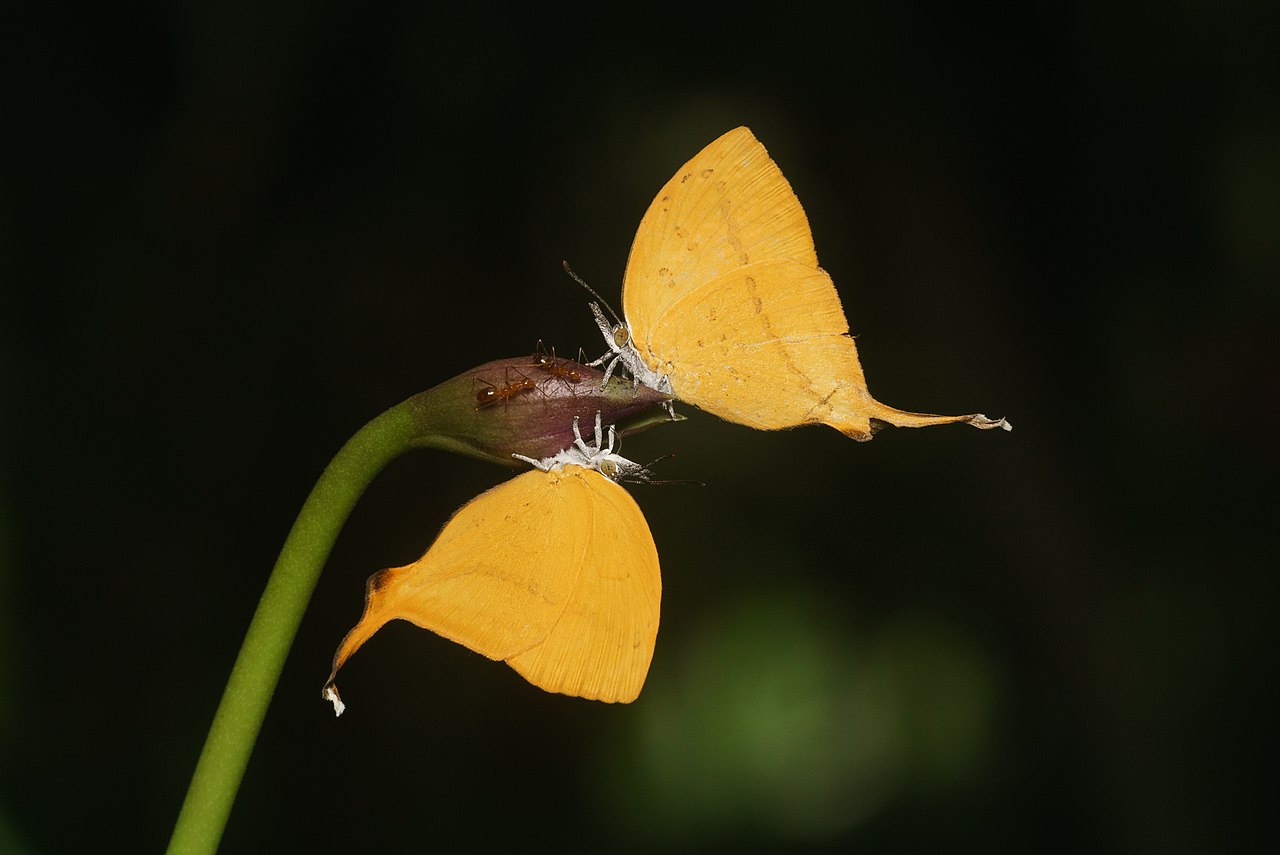
Nectar is a sugar-rich fluid produced by many flowering plants and some non-floral tissues. Its primary ecological function is to attract animals — such as bees, butterflies, hummingbirds and bats — that transfer pollen between flowers, aiding plant reproduction. Nectar composition and placement vary widely among species, shaped by the type of visitor a plant seeks to attract and by environmental factors.
Image gallery
9 Images




Composition and where it is produced
Nectar is mainly a solution of sugars (commonly sucrose, glucose and fructose) dissolved in water, but it also contains amino acids, proteins, lipids, vitamins, salts and volatile compounds that contribute scent. Specialized secretory structures called nectaries produce nectar; these are most often located within the flower (floral nectaries), typically at the base of the perianth or near reproductive organs so that visiting animals contact pollen. Nectary morphology and secretory dynamics influence nectar volume, sugar concentration and accessibility.
Floral and extrafloral nectar
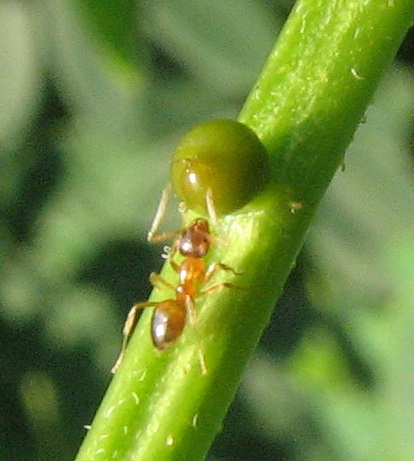
Not all nectar is produced inside flowers. Extrafloral nectaries occur on leaves, petioles or stems and serve different ecological functions: they attract predatory or parasitic insects (for example ants) that reduce herbivory by feeding on plant-eating pests. Floral nectar primarily mediates pollination mutualisms, while extrafloral nectar is commonly a defensive reward to enlist bodyguards.
Ecological and evolutionary roles
Nectar is central to plant–animal interactions and has influenced the evolution of both plant traits (flower shape, color, scent and nectar chemistry) and animal feeding structures (proboscis length, tongue shape, foraging behavior). Variations in nectar volume, sugar concentration and secondary compounds can favor particular pollinators and reduce nectar theft. Some plants use deceptive tactics, offering showy flowers with little or no nectar to attract visitors without paying the cost of reward production.
Human uses and economic importance
Nectar is the primary carbohydrate source for many pollinators and the raw material for honey produced by bees; thus it underpins apiculture and contributes to crop pollination services. Gardeners and farmers manage nectar resources to support beneficial insects and wildlife. Understanding nectar traits aids plant breeding for pollinator-friendly crops and informs conservation of pollinator communities.
Notable phenomena and distinctions
- Nectar robbing: some animals access nectar by piercing floral tissue, avoiding contact with reproductive organs and reducing pollination.
- Species-specific syndromes: flowers pollinated by birds, bats or insects often have distinct nectar concentrations and compositions suited to their visitors.
- Nectar microbiota: yeasts and bacteria that colonize nectar can alter sugar composition and scent, affecting attractiveness to animals.
Further reading
- Botanical definitions and basic concepts
- Nectar chemistry and sugar types
- Flower structure and nectary placement
- Sugars in nectar: sucrose, glucose, fructose
- Pollinator behavior and attraction
- Animal visitors: bees, birds, bats and insects
- Nectary anatomy and secretion
- Pollination mechanics and reproductive contact
- Extrafloral nectaries and predator recruitment
- Economic aspects of nectar and pollination
- Nectar as the basis of honey production
- Agricultural and horticultural applications
- Life stages of insects that use nectar
- Hummingbirds and nectar-feeding birds
Related articles
Author
AlegsaOnline.com Nectar (botany): composition, roles, and ecological importance Leandro Alegsa
URL: https://en.alegsaonline.com/art/68973