
Horticulture: Science and Practice of Garden Plant Cultivation
Horticulture is the applied science and art of cultivating garden plants for food, ornament and utility, blending botany, propagation, breeding and landscape practices to support ecosystems and human needs.
Horticulture is the applied branch of botany concerned with the cultivation and management of plants in gardens, nurseries and managed landscapes. It spans aesthetic, ecological and productive aims—from ornamental borders and public parks to vegetable beds and fruit orchards. Practitioners combine scientific knowledge and practical skill to grow healthy plants, conserve resources and design functional, attractive green spaces.
Image gallery
5 Images


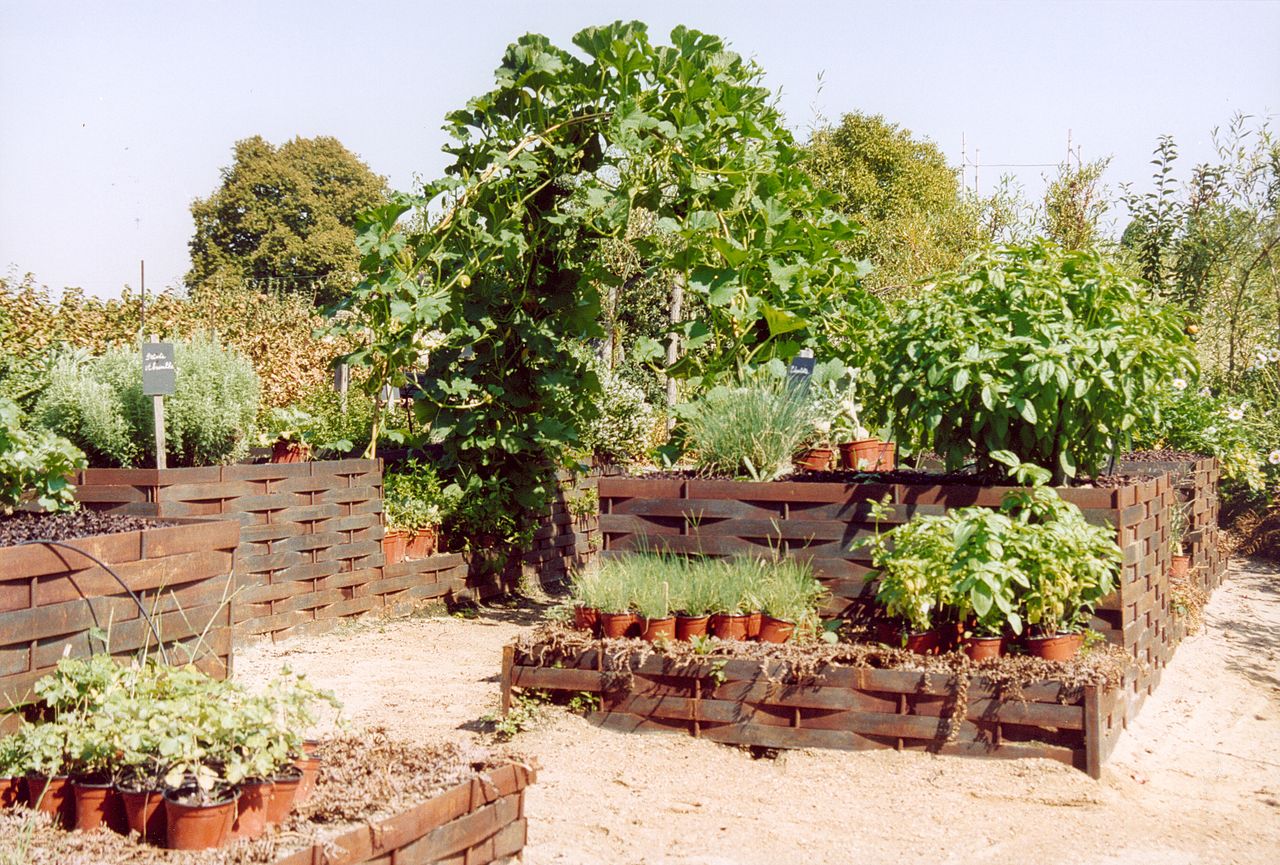

Scope and subdisciplines
The field covers a wide range of activities and specialties. Major subdisciplines include:
- Floriculture — production and marketing of flowering plants and cut flowers, linked to floral design and the flower industry.
- Pomology — cultivation and improvement of fruit trees and shrubs; work with fruit crops is central here.
- Olericulture — vegetable production, quality control and post-harvest handling for vegetables.
- Arboriculture — care and management of trees and woody ornamentals, important in urban and peri-urban settings.
- Turf and landscape horticulture — management of lawns, parks and designed outdoor spaces.
Techniques and components
Horticultural practice uses propagation methods such as seed selection, grafting, layering and cuttings to reproduce and maintain desirable traits. Soil and substrate management, irrigation design, fertilization and integrated pest management (IPM) are routine tasks. Controlled-environment horticulture, including greenhouse and protected-cropping systems, enables year‑round production and experimentation with climate control.
History and development
Garden cultivation has ancient roots in settled societies that managed plants for food, medicine and ritual. Over centuries horticulture incorporated botanical science, plant breeding and landscape design. Modern horticulture links practical production with research in physiology, pathology and genetics. Plant breeding and selection have produced varieties improved for yield, disease resistance and ornamental value.
Uses, importance and distinctions
Horticulture contributes to food security, urban greening, biodiversity and cultural life. It supplies fresh produce, supports pollinators and creates therapeutic and recreational green spaces. Compared with large‑scale agriculture, horticulture often focuses on high‑value crops, species diversity and intensive management. Nursery industries and garden centers provide plants to the public and landscape professionals.
Education, careers and research
Training ranges from vocational certificates to university degrees in horticulture, landscape design and related sciences. Horticulturists work in nurseries, botanical gardens, research institutions and extension services, and many conduct research to improve varieties and practices. Practical skills are taught alongside scientific principles and include propagation, pest diagnosis and landscape planning.
Sustainability and urban horticulture
Contemporary horticulture emphasizes sustainable practices: water‑efficient irrigation, soil conservation, organic amendments and habitat creation for beneficial insects. Urban horticulture and community gardens increase local food production, enhance green infrastructure and offer social and health benefits. Integration with ecological design helps manage stormwater, reduce heat islands and support urban biodiversity.
Resources and further reading
For technical guidance and applied knowledge, consult extension publications, horticultural handbooks and professional organizations. Foundational topics such as the science of plant growth and cultivation are described in materials linked to science resources and botanical references. Practical training and skill development are available through apprenticeships and courses that emphasize practical skill. For introductions to garden practice, see general guides on garden design, botany, vegetable culture, fruit production, floral arts, and management of ornamental plants. Advances in plant breeding and propagation continue to shape the discipline and the varieties available to growers and gardeners.
Related articles
Author
AlegsaOnline.com Horticulture: Science and Practice of Garden Plant Cultivation Leandro Alegsa
URL: https://en.alegsaonline.com/art/45183