
Neem (Azadirachta indica): description, distribution, uses, and cultivation
Neem (Azadirachta indica) is a fast-growing tropical tree in the Meliaceae family, native to South and Southeast Asia and widely used for medicine, biopesticides, timber and shade.
Neem (Azadirachta indica) is a fast-growing tropical tree valued for its practical and cultural uses. Belonging to the mahogany group, it is placed in the genus Azadirachta and the family Meliaceae. The family name and generic placement appear in botanical references and guides that summarize neem's relationships within flowering plants; see broader treatments at Meliaceae resources.
Image gallery
10 Images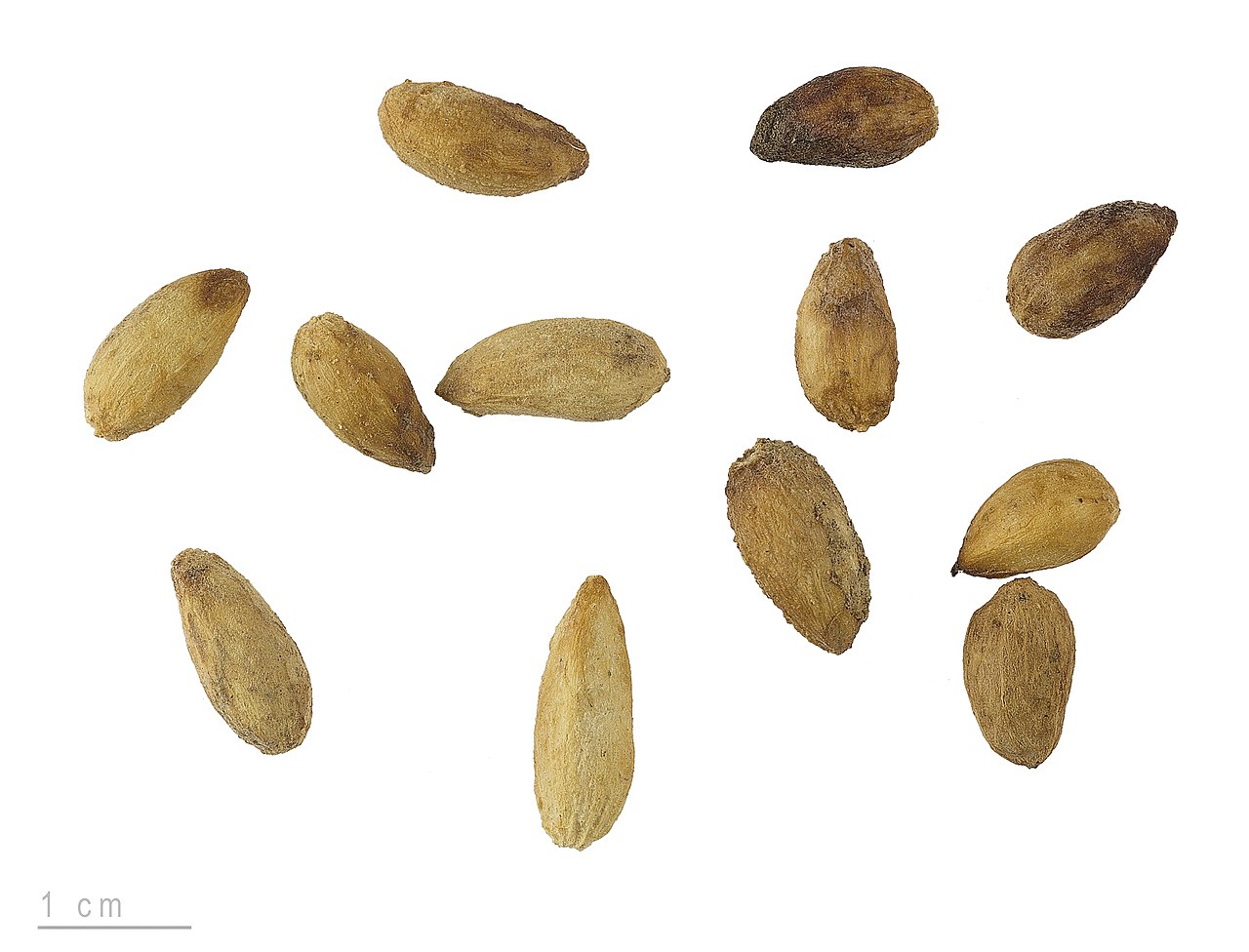

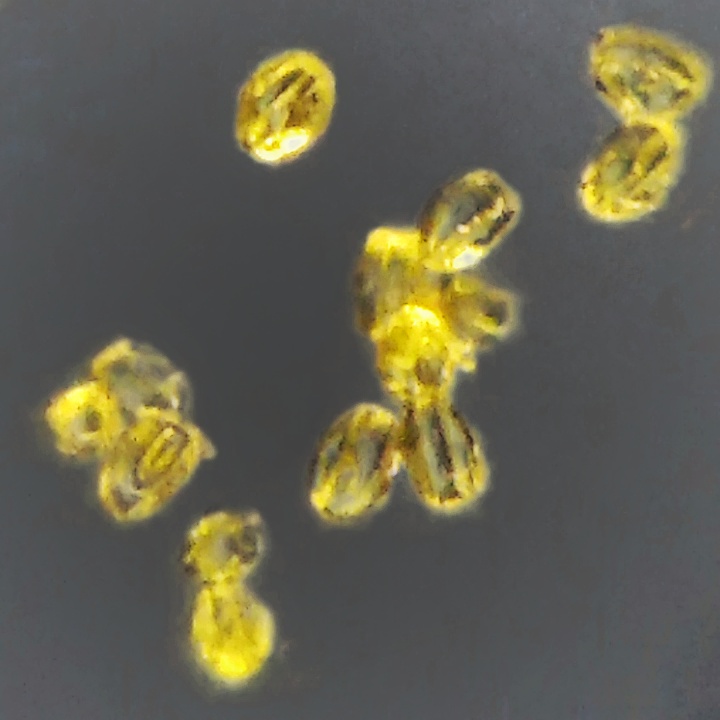


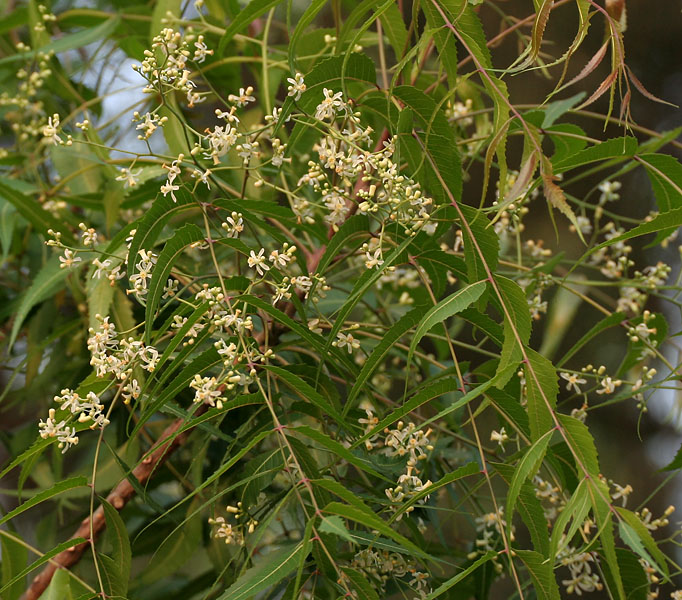
Description
Neem is typically an evergreen tree that can reach 15–20 metres in cultivation, though specimens in optimal conditions may grow taller. Leaves are pinnate with many narrow leaflets, and the tree produces fragrant white flowers followed by small, olive-like fruits with a single seed. Different plant parts — leaves, bark, seeds and oil — are used for a wide range of applications.
Distribution and origin
The species is native to the Indian subcontinent and parts of Southeast Asia. Major native and traditional ranges include India, Myanmar, Bangladesh, Sri Lanka, Malaysia and Pakistan. Neem has been cultivated widely outside its original range for shade, erosion control and its useful products; it has local cultural significance and at times official recognition, for example historical associations such as the state tree of Hyderabad Deccan.
Uses and importance
Naturally occurring compounds in neem seeds and leaves, most famously azadirachtin, give the tree insect-repellent and insecticidal properties. These properties support several practical uses:
- Agriculture: neem extracts and oil are used as botanical pesticides and growth regulators in integrated pest management.
- Traditional medicine: leaves, bark and oil are ingredients in preparations in Ayurvedic and folk systems for topical and oral applications; efficacy varies by use and should be viewed cautiously.
- Consumer products: toothpaste, soaps and cosmetics sometimes include neem or neem oil for alleged antiseptic and conditioning qualities.
- Wood and shade: timber is used locally and the tree is planted in shelterbelts and urban green spaces for shade and soil stabilization.
Cultivation and ecology
Neem tolerates a wide range of tropical and subtropical conditions and performs well on poor, dry soils, which has made it popular for reforestation and land-restoration projects. Propagation is commonly by seed; in cultivation it can be pruned and managed for regular leaf and seed harvests. Because neem products affect insect physiology, they are valuable in reducing pest pressure with fewer synthetic chemicals, although application methods and dosages matter for effectiveness.
Notes and cautions
Common names include "Indian lilac" and "margosa." While neem is prized for many uses, some preparations can be toxic if misused: concentrated neem oil has been associated with adverse effects in infants and animals in certain contexts, and regulatory frameworks differ by country. Neem can naturalize beyond its native range in some climates; where it is introduced, its ecological impacts should be monitored.
For more detailed botanical or regional information consult specialized references and local extension services: genus overview, family summary, and further resources at plant databases or country-specific pages such as India, Myanmar, Bangladesh, Sri Lanka, Malaysia, Pakistan and historical notes like Hyderabad Deccan. Practical cultivation tips and conservation guidance are regularly updated by horticultural and agricultural organizations (evergreen tree care).
Questions and answers
Q: What is Neem?
A: Neem is a tree in the mahogany family Meliaceae.
Q: Where is Neem native to?
A: Neem is native to India, Myanmar, Bangladesh, Sri Lanka, Malaysia, and Pakistan.
Q: In which regions does Neem grow?
A: Neem grows in tropical and semi-tropical regions.
Q: What was Neem's role in Hyderabad Deccan?
A: Neem was the state tree of Hyderabad Deccan.
Q: How tall can Neem trees grow in India?
A: Neem trees in India can reach up to 15–20 m (about 50–65 feet) tall, and sometimes even to 35–40 m (115–131 feet).
Q: Is Neem an evergreen tree?
A: Yes, Neem is an evergreen tree.
Q: Where can Neem be found in Tamil Nadu?
A: Neem can be found in some major parts of Tamil Nadu like Tuticorin, Tirunelveli, etc.
Related articles
Author
AlegsaOnline.com Neem (Azadirachta indica): description, distribution, uses, and cultivation Leandro Alegsa
URL: https://en.alegsaonline.com/art/69007
Sources
- infinityfoundation.com : "Medicinal properties of Neem: new findings"
- webmd.com : Neem
- news.bbc.co.uk : "Neem: India's tree of life"
- hse.gov.uk : "Pesticides"